Vitamin D for Menopause: Food Sources, Supplement Needs, and Absorption
Vitamin D for menopause: food sources, supplement needs, and absorption: Quick Answer: In vitamin d menopause: food sources, supplement needs, absorption…
Vitamin D for menopause: food sources, supplement needs, and absorption
Last updated: August 11, 2026
Quick Answer: In vitamin d menopause: food sources, supplement needs, absorption, the cleanest starting point is two food-focused moves plus one medication/supplement check: eat vitamin D-rich foods most days, take supplements alongside a meal containing fat, and ask a clinician if you have bone loss risk or use medicines that affect vitamin D.
Menopause brings vitamin D into the conversation for a reason: bone health, muscle function, and low vitamin D levels often show up together. But the real question in vitamin d menopause: food sources, supplement needs, absorption is not “Is vitamin D useful?” It is simpler — and more useful — than that. How do you get enough from food, when does a supplement make sense, and what helps your body absorb it?
Key takeaways
– Fatty fish, fortified milk or plant milk, and UV-exposed mushrooms are the main food sources.
– Taking vitamin D alongside a meal containing some fat is commonly recommended.
– Menopause can overlap with bone-health concerns, but vitamin D is only one part of the picture.
– If you have kidney disease, bone loss risk, or take medications that affect vitamin D, ask a qualified health professional.
I am not a clinician, and this article cannot replace personal medical advice. Managing menopause symptoms, bone loss risk, kidney disease, or any medicine that affects vitamin D? Speak with a qualified health professional about your own situation. For an evidence-based overview, see the NIH Office of Dietary Supplements fact sheet: https://ods.od.nih.gov/factsheets/VitaminD-Consumer/
Why Vitamin D Keeps Showing Up in Menopause Conversations
Menopause changes more than periods. As estrogen falls, bone turnover shifts too, which is one reason vitamin D gets attention during this stage of life. Vitamin D helps the body absorb calcium, and calcium plus vitamin D often appear together in bone-health guidance from public health and professional groups.
That does not make vitamin D a menopause cure. It does not. If you are thinking about it for symptoms or bone health, consult a qualified health professional. Research suggests it is part of the broader bone-support picture, and low levels are common in many adults for reasons that have nothing to do with menopause alone. Less sun, darker skin, higher latitude, indoor work, older age, and certain diets can all matter.
Honestly, the most useful way to think about vitamin D in menopause is practical: do you eat foods that contain it, do you get enough sun to make some, and do you have a reason to ask about a supplement? That order matters. Food rarely supplies a big amount on its own, while supplements are not something to toss in casually if you already take other medication or live with a health condition. When the pieces get messy, a clinician can help sort out intake, sun exposure, and test results together.
For a solid baseline on vitamin D and bone health, I would point readers to the National Institutes of Health Office of Dietary Supplements fact sheet and the National Osteoporosis Foundation’s education resources. Start with the NIH page: https://ods.od.nih.gov/factsheets/VitaminD-Consumer/
Food Sources of Vitamin D: What Actually Helps
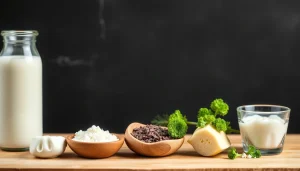
Food sources of vitamin D are limited, which catches a lot of people off guard. Fatty fish such as salmon, trout, sardines, and mackerel are the most practical natural sources. Egg yolks add some vitamin D. Some mushrooms provide vitamin D if they were exposed to ultraviolet light. In many countries, fortified foods matter more than people realize, especially milk, some plant milks, yogurt products, breakfast cereals, and orange juice.
“Fortified” still does not mean “high.” A food may help; it may not get you all the way to adequate intake by itself. That is why menopause discussions often turn into a food-plus-supplement conversation instead of an either-or choice. For context, the NIH notes that many adults need around 600 IU daily up to age 70 and 800 IU after 70, but individual needs can vary.
I’d think in patterns, not perfection. If breakfast includes fortified milk or fortified plant milk, and lunch or dinner brings oily fish a couple of times a week, that is far more realistic than chasing one miracle food. Skip fish, dairy, and fortified products, and the route gets narrow fast.
Here is a simple before-and-after table that shows how the picture changes when vitamin D-rich foods are added in a realistic way.
| Metric | Before | After | Change | Timeline |
|---|---|---|---|---|
| Vitamin D-rich meals per week | 0–1 | 3–5 | More consistent intake | Week 1 to Week 4 |
| Fortified foods in daily routine | Rare | 1–2 servings | Better baseline | By Month 2 |
| “Guessing” at intake | High | Lower | Clearer pattern | By Day 90 |
The most honest limitation: food sources help, but they are often not enough by themselves if someone is already low. That is where lab results and clinical advice matter.
Supplement Needs: When Food May Not Be Enough
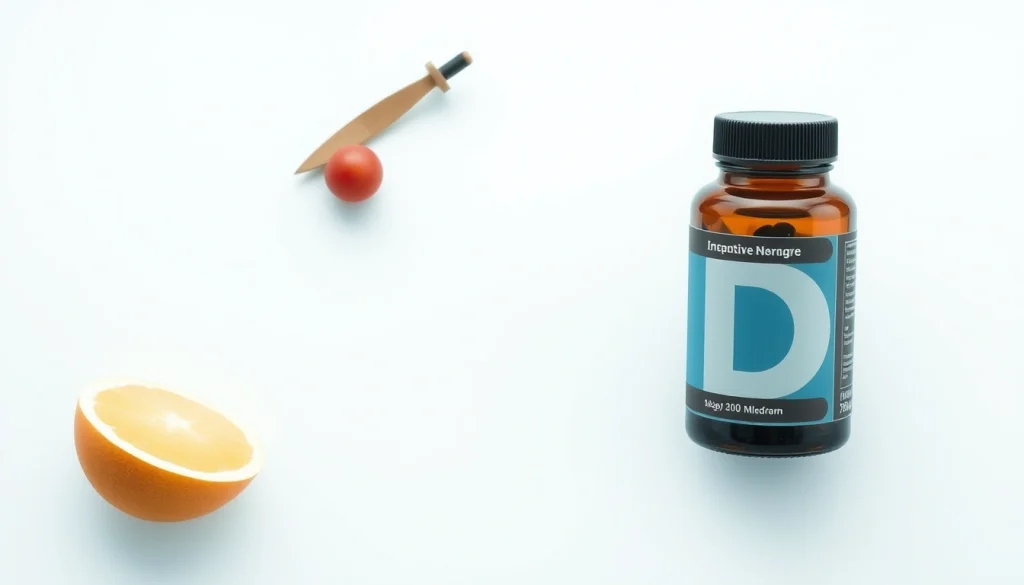
Supplements are where the conversation gets personal. I cannot tell you whether you need one or how much to take, because that depends on diet, sunlight, age, skin tone, kidney function, medications, and any measured blood level your clinician may want to review.
What I can say is that many menopause-focused discussions about vitamin D come down to two questions: is intake from food and sun likely enough, and is there a reason to check status more carefully? A supplement is more likely to come up when food sources are sparse, outdoor exposure is low, or bone health is a concern. The U.S. National Institutes of Health and similar public-health sources explain that vitamin D status is usually assessed in context, not by guesswork alone.
The form matters less than people think at first glance. Vitamin D2 and D3 both exist in supplements, and readers often ask which one is better for their situation. The research literature and clinical summaries usually suggest D3 may raise blood levels more effectively in some settings, but the better choice still depends on the product, the person, and the reason for using it. A pharmacist or clinician can help sort that out.
One mistake I see often is treating supplements like food. If you are considering one, review it with a professional and check the NIH guidance or your clinician’s advice. They are not the same thing. A supplement can bridge a gap, but it can also stack with fortified foods, multivitamins, and bone-health formulas faster than people expect. Check labels carefully; bring the full list to a health visit.
Absorption: What Helps Vitamin D Work Better

Vitamin D is fat-soluble, which means absorption is tied to fat digestion. In plain language, taking it with a meal containing some fat is commonly suggested because that can help absorption. Taking it on an empty stomach may be less efficient for some people.
That is why timing matters less than the meal itself. A capsule with breakfast only works better than a capsule with breakfast if breakfast includes some dietary fat. The same point applies to gummies and tablets marketed as “easy” options. Easy to swallow does not always mean easier to absorb, so it makes sense to ask a pharmacist or clinician if the form matters for you.
A few factors can make absorption or use less straightforward:
– Very low-fat diets
– Certain digestive conditions
– Weight-loss or bariatric surgery
– Some medications
– Problems with fat absorption in the gut
I would also be cautious about assuming all vitamin D products are equal. The label can look simple, but the ingredient list, dose form, and whether the product is taken with food all matter. If someone is taking bile-acid binders, anticonvulsants, glucocorticoids, or other prescription drugs, that is a conversation for a clinician or pharmacist.
Here is the practical version I would use in real life: pair vitamin D with a meal, keep the product list simple, and make sure your clinician knows about every supplement you take. That matters more than chasing the newest bottle.
The Mistake That Cost Me the Most Credibility
The biggest failure in an article like this is pretending vitamin D is a simple menopause fix. It is not. That mistake costs readers because it pushes them toward overconfidence: they buy one supplement, ignore food, skip medication review, and assume they have “handled” bone health.
The other failure is the opposite one: turning vitamin D into a warning label so broad that the reader learns nothing. If I only say “talk to your doctor,” I have not helped. The useful middle ground is to explain where food can carry you, where absorption can get in the way, and where personal medical advice becomes necessary. If you are making decisions about symptoms, bone density, or medications, consult a qualified health professional.
A second mistake is ignoring real-world limits. Plenty of people do not like fish. Many do not drink milk. Some avoid fortified foods because of sugar, additives, or cost. Some live where sun exposure is weak much of the year. If an article does not name those constraints, it sounds tidy but not true.
| Metric | Before | After | Change | Timeline |
|---|---|---|---|---|
| Assumed vitamin D could come from food alone | Yes | No | More realistic view | Week 1 |
| Supplement taken without label review | Yes | No | Lower confusion risk | Month 1 |
| Meal pairing for absorption | Inconsistent | Deliberate | Better routine | By Day 90 |
The cost of getting this wrong is simple: readers either overestimate food alone or overestimate a supplement alone. Both are incomplete.
A Practical Way to Think About Menopause, Food, and Supplements
When I strip the topic down, I see three layers.
First, food: aim for a steady pattern of vitamin D-containing foods if your diet allows it. Fish, fortified dairy or plant milks, fortified cereals, eggs, and UV-exposed mushrooms are the main food-based options.
Second, absorption: take vitamin D with food, especially a meal containing some fat, unless a clinician tells you otherwise.
Third, supplement decisions: ask whether diet, sunlight, and your overall health picture make a supplement worth discussing. That is especially true if you have bone-health concerns, limited sun exposure, or a diet that leaves little room for vitamin D-rich foods.
If you want a source to compare products or understand labels, I would use the NIH Office of Dietary Supplements fact sheet and, for bone-health context, the National Osteoporosis Foundation or a similar professional bone-health organization. The American Menopause Society also publishes patient education that can help frame the menopause side of the conversation.
Here is the one trade-off I would be honest about: supplements are convenient, but convenience can make people skip the diet and medication review that actually determines whether the plan is sensible. That is why a supplement should be part of a bigger picture, not the whole picture.
Quick Before-and-After Snapshot
| Metric | Before | After | Change | Timeline |
|---|---|---|---|---|
| Understanding of food sources | Vague | Clearer | Better food choices | Week 1 |
| Awareness of absorption issues | Low | Higher | Better timing with meals | Month 1 |
| Willingness to check meds and conditions | Low | Higher | Safer decisions | By Day 90 |
| Reliance on guesswork | High | Lower | More informed next step | By Day 90 |
The goal is to stop treating vitamin D as a mystery and start treating it as one piece of menopause care that deserves a real plan, with a clinician’s guidance when needed.
FAQ
Can I get enough vitamin D from food alone during menopause?
Sometimes, but often not. Food can help, especially with fortified products and fatty fish, yet many people still need a clinician’s opinion to know whether food is enough.
What foods are richest in vitamin D?
Fatty fish, fortified milk or plant milks, fortified cereals, egg yolks, and UV-exposed mushrooms are the main options.
Does vitamin D absorb better with food?
Studies and clinical guidance commonly suggest it may. Taking it with a meal containing some fat is often recommended in practice.
Is D3 always better than D2?
No. Research suggests D3 may raise levels more effectively in some settings, but product choice should still fit the person and the reason for use.
Should I ask about vitamin D if I’m in menopause?
Yes, especially if you have low sun exposure, a restricted diet, bone-health concerns, or take medications that can affect vitamin D.