Why am I gaining weight during menopause? Nutrition factors that matter
Why am I gaining weight during menopause? Nutrition factors that matter: Quick Answer: Menopause-related weight gain usually comes from a mix of shifting…

Why am I gaining weight during menopause? Nutrition factors that matter
Last updated: August 11, 2026
- Why it helps: protein and fiber make a meal last longer in the body.
- That is why I only recommend it when the rest of the food pattern is already strong.
- Sudden, severe, or symptom-filled weight change?
- Speak with a qualified clinician about your own situation.
Quick Answer: Menopause-related weight gain usually comes from a mix of shifting hormones, slower energy needs, less muscle, poorer sleep, and eating habits that no longer fit your body. For many women, the most helpful nutrition fix is a structured, protein-forward eating pattern that protects muscle and keeps appetite steadier. Sudden, severe, or symptom-filled weight change? Speak with a qualified clinician about your own situation.
Key Facts
– Menopause can change fat storage, but it does not make weight gain inevitable.
– Less muscle can lower calorie needs at rest.
– Poor sleep can increase cravings and make overeating more likely.
– Protein, fiber, alcohol, and portion size are the main nutrition levers.
– Sudden or unexplained weight change needs medical review.
Menopause-related weight gain is usually not about one “bad” food. Usually, it is a combination: hormones shift, energy needs fall a bit, muscle declines, sleep gets worse, and the eating pattern that once worked starts missing the mark. Want the short version? Menopause weight gain often responds best when nutrition protects muscle, steadies appetite, and cuts the slow creep of extra calories that shows up in midlife. If your weight change feels sudden, severe, or comes with other symptoms, speak with a qualified clinician about your own situation.
I write about women’s health and nutrition, and the same trap keeps showing up: people blame menopause itself and stop there. That skips the part you can actually change.
The Real Difference Between “menopause weight gain” and “normal aging”
Here’s the difference, plainly: menopause can shift where fat is stored and make it easier to gain weight on the same eating pattern, but aging and lifestyle changes still do plenty of the heavy lifting. I would not call it “my hormones made me gain weight, so nothing I do matters.” Too tidy. And usually wrong.
Around menopause, estrogen drops and muscle tends to be easier to lose unless you actively protect it. Less muscle means fewer calories burned at rest. Meanwhile, sleep can turn choppy, hot flashes can break up rest, and stress may climb. Those changes often raise appetite and weaken restraint. The outcome is pretty ordinary, honestly: portions that once felt fine can start overshooting what your body now needs.
Nutrition factors matter because they affect the two big levers most people overlook:
- Satiety — whether you feel satisfied after meals.
- Body composition — whether weight comes from more fat and less muscle.
A generic menopause article often says “eat less and move more.” Lazy advice. The better question is different: what kind of eating helps you stay full, keep muscle, and avoid mindless over-snacking? That is where protein, fiber, meal timing, and ultra-processed foods enter the picture.
For a trustworthy background on menopause symptoms and midlife health, I would point you to the National Institute on Aging and the Office on Women’s Health, which both cover menopause as a normal transition rather than a disease.
Why your eating pattern can change your weight more now
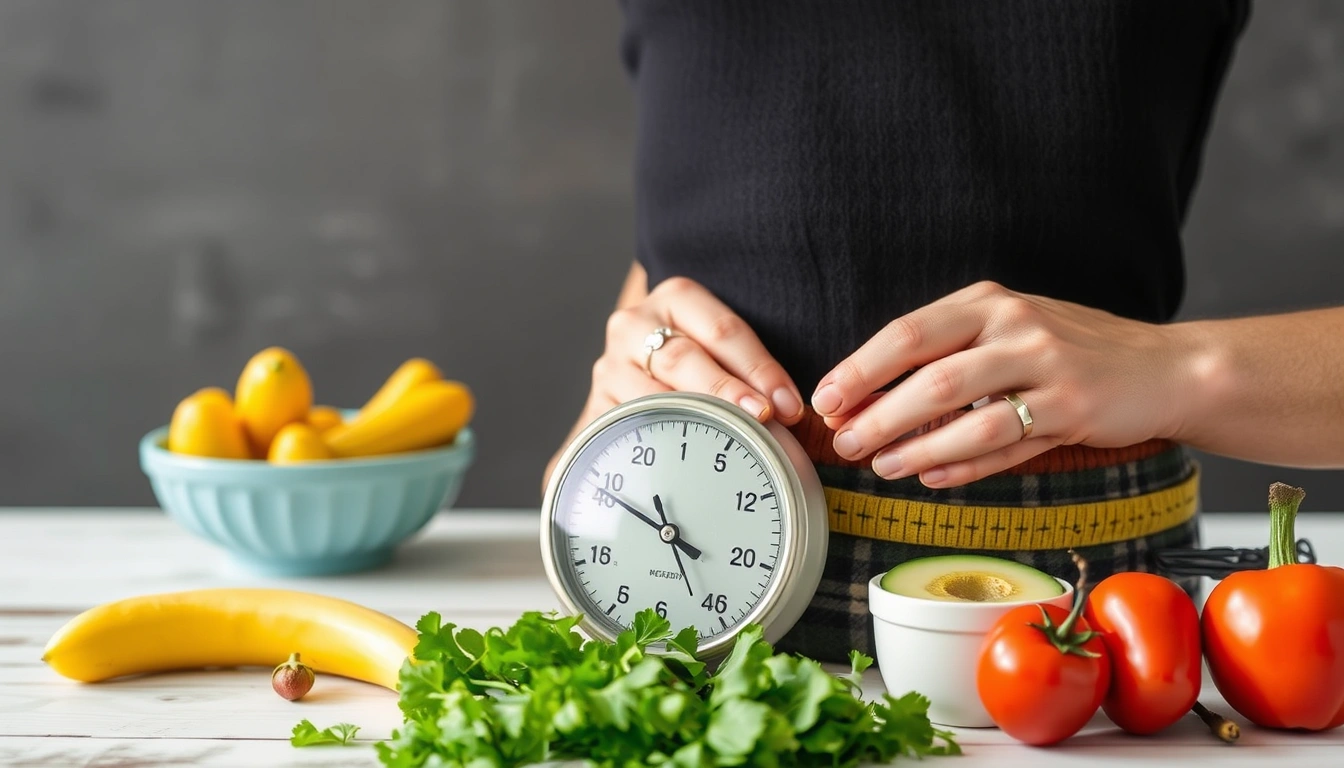
The most common nutrition problem in menopause is not one giant diet mistake. It is a series of small mismatches that quietly add up. I think of it as the “quiet surplus” problem.
A few examples:
- Breakfast gets lighter, then you are ravenous later.
- Protein is pushed to the side, so meals do not hold you.
- Snacks become a stress response.
- Alcohol or sugary drinks add calories without real fullness.
- “Healthy” portions are still too large for a body that now needs less energy.
This matters because appetite signals can get less predictable during perimenopause and menopause. One morning you are barely hungry; by night, you could eat the fridge door. Some people also notice stronger cravings when sleep is poor. That does not mean you lack willpower. It means your body is sending mixed signals and your food choices need more structure.
The nutrition problem I see most often is not that people eat “too much food” in a vague sense. It is that meals are built from calories first and satiety second. A bowl of cereal, a pastry, a sandwich with very little protein, or a dinner that is mostly starch can leave you hungry again fast. Then the day turns into grazing. Like sand through your fingers.
If you want one practical idea to keep in mind, I would choose meals built around protein, vegetables or fruit, and a slow-digesting carb or fat source. That pattern tends to be more forgiving than snacks and random bites all day. It is not magic. It simply makes overeating less likely.
The trade-off: structured meals can feel tedious if you love spontaneity or if your schedule is chaotic. But for many people in menopause, a little structure beats trying to “just listen to hunger” when hunger has become a lousy guide.
The nutrition factors that matter most in menopause
If I had to rank the nutrition factors that matter most, I would start with protein, then fiber, then calorie-dense extras, then alcohol. The numbers are not identical for everyone, but the pattern is consistent.
Protein
Protein matters because it helps preserve lean mass and makes meals more satisfying. Research on aging and menopause generally supports paying more attention to protein spread across the day, though exact needs vary. I am not giving you a number here because body size, kidney health, activity level, and goals all matter. A dietitian can help with that.
The practical point is simple: many people in midlife eat too little protein at breakfast and lunch. That sets up afternoon hunger and evening overeating. Good protein sources include eggs, yogurt, cottage cheese, fish, poultry, tofu, tempeh, beans, and lentils.
Weakness: protein-rich meals can be less convenient and sometimes more expensive than carbs alone. They also do not help much if they are paired with lots of ultra-processed snack foods.
Fiber
Fiber helps with fullness and can make meals more stable. It also supports gut health and can improve the “I’m still hungry” feeling that drives snacking. Fiber from vegetables, fruit, beans, lentils, oats, seeds, and whole grains usually does more for satiety than juice, white bread, or refined sweets.
The drawback is real. Increase fiber too quickly, and your digestion may protest. Bloating is common when people go from low-fiber to high-fiber eating overnight. Slow changes work better.
Energy density
Energy-dense foods pack a lot of calories into a small volume. That includes many sweets, baked goods, chips, some cheeses, and fried foods. You do not need to ban them. But if they become daily staples, they can quietly push energy intake above what you burn.
I would not put all the blame on “junk food,” though. Nuts, oils, nut butters, granola, dried fruit, and restaurant portions can also be energy-dense. They are not bad foods. They just need a more careful hand in menopause than they may have before.
Alcohol
Alcohol is a frequent blind spot. It can add calories, lower food restraint, and worsen sleep quality, which may then push appetite higher the next day. The effect varies from person to person, but it is common enough that I would look at it early if weight has crept up.
The limitation: not everyone needs to stop drinking entirely. But if weight gain and poor sleep are both happening, alcohol deserves a hard look.
The Honest Side-by-Side
The two nutrition approaches people usually compare are a structured, protein-forward eating pattern and an unstructured “eat normally, just less” approach. I am firmly in favor of the structured option for most menopausal weight gain, because it addresses appetite and muscle at the same time. The looser route can work, but only for people whose current habits are already pretty balanced.
| Criteria | Structured, protein-forward eating | “Eat normally, just less” | Winner for menopausal weight gain |
|---|---|---|---|
| Satiety | Usually better because meals are built to hold hunger longer | Often weaker if meals were already carb-heavy or snack-driven | Structured, protein-forward eating |
| Muscle preservation | More supportive when protein is included consistently | Can be fine, but often misses the muscle issue entirely | Structured, protein-forward eating |
| Ease of starting | Needs some planning | Feels simple at first | “Eat normally, just less” |
| Risk of rebound hunger | Lower when meals are balanced | Higher if portions are cut without changing composition | Structured, protein-forward eating |
| Flexibility for family meals | Good if you build around a main protein and side dishes | Very flexible, but easy to drift into grazing | Structured, protein-forward eating |
| Emotional simplicity | Can feel like “more rules” | Feels less diet-like | “Eat normally, just less” |
| Works best for night hunger | Often yes, because dinner is more filling | Often no if earlier meals were too light | Structured, protein-forward eating |
| Fit for someone already eating well | Useful as a fine-tuning tool | May be enough if intake is truly the only issue | Depends on current habits |
Structured, protein-forward eating: Who Should Actually Use This (and Who Shouldn’t)
This is the option I would choose for most people asking why they are gaining weight during menopause. It wins because it solves more than one problem at once: appetite, muscle loss risk, and the “I ate fine all day and then overdid it at night” pattern.
Who it suits:
– You feel hungry soon after meals.
– You are snacking more than you used to.
– Breakfast is often weak or skipped.
– You have noticed less muscle or more softness around the middle.
– Your meals are convenient but not very filling.
Why it helps: protein and fiber make a meal last longer in the body. That does not mean you never get hungry. It means hunger is less likely to ambush you two hours later. In menopause, that matters because appetite regulation often gets less predictable.
Who should skip or be cautious:
– Anyone with a medical condition that changes protein needs or requires a tailored eating plan.
– Anyone with a history of disordered eating who finds structure triggering.
– Anyone using food rules so tightly that the plan becomes another source of stress.
The honest weakness is that this approach can turn into perfectionism. People start weighing every meal mentally and feel they failed if breakfast was not “optimal.” That is not the goal. The goal is enough structure to reduce chaos, not a private nutrition exam. If a tighter eating plan starts to increase anxiety or obsession, stop and get help from a registered dietitian or other qualified clinician.
“Eat normally, just less”: The Specific Situations Where It Wins
This simpler approach wins in a narrow but real set of situations. I would use it when the person already eats balanced meals, has steady hunger cues, and only needs a modest correction.
It works best if:
– You already get protein at most meals.
– Your snack intake is low and intentional.
– Your portions have crept up gradually.
– You are not dealing with sleep disruption, intense cravings, or grazing.
– You prefer minimal change and can actually stick with it.
Its strength is psychological. It does not turn every meal into a project. For some people, that makes it more sustainable. If your weight gain came from a few extra servings, more takeout, or less movement, a gentle portion reduction may be enough.
But I would not pretend this is the default fix. If you are already tired, hungry, and frustrated, “eat normally just less” often backfires. It can lead to daytime deprivation and nighttime overeating, which is exactly the cycle many menopausal readers are trying to escape.
The consequence of using this method in the wrong situation is predictable: you feel deprived, meals stop satisfying you, and the scale barely moves or bounces back. That is why I only recommend it when the rest of the food pattern is already strong.
Our Verdict: Which One to Choose and Why
Choose structured, protein-forward eating if you are gaining weight in menopause and your meals are not keeping you full, your snacks are growing, or you suspect muscle loss is part of the picture. Choose “eat normally, just less” if your eating is already balanced, your hunger is steady, and you mainly need a small portion correction. Neither if your weight change is rapid, unexplained, or accompanied by other symptoms that should be discussed with a qualified professional.
My blunt recommendation: start with the structured option unless you have a clear reason not to. It is the more useful answer to the menopause weight-gain problem because it deals with appetite, fullness, and muscle at the same time. The simpler “just less” plan is too often a wish dressed up as a strategy.
When to Reconsider This Choice Entirely
I would step back from a food-only explanation if any of these are true:
- The weight change is fast or dramatic. Menopause can shift weight, but sudden changes deserve medical attention.
- You have fatigue, constipation, hair changes, palpitations, or other symptoms that do not fit the usual pattern. Food may not be the whole story.
- Sleep is very poor. If you are barely sleeping, appetite and cravings can change enough to overwhelm nutrition tweaks.
- You are already eating in a very structured way and still gaining. That is a sign to look beyond portion size.
This is where I would urge a real conversation with a clinician. Menopause can overlap with thyroid issues, medication effects, depression, sleep disorders, and other conditions that look like “just middle-age weight gain” from the outside.
The honest limit of any nutrition advice here is that it cannot diagnose the cause of your weight change. It can only tell you which eating pattern is more likely to help. If the cause is unclear, consult a professional for assessment and possible testing; for broader menopause guidance, the NHS menopause page and ACOG both outline when symptoms need medical review.
Sources and trusted references
For a deeper, non-commercial overview, start with the National Institute on Aging, the Office on Women’s Health, and the NHS menopause page. For protein and healthy weight guidance, the Harvard T.H. Chan School of Public Health offers a practical summary of how protein, fiber, and energy density affect fullness.