Best supplements for menopause symptoms: what to consider before buying
Best supplements for menopause symptoms: what to consider before buying: Quick Answer: The best supplements for menopause symptoms are the ones tied to…
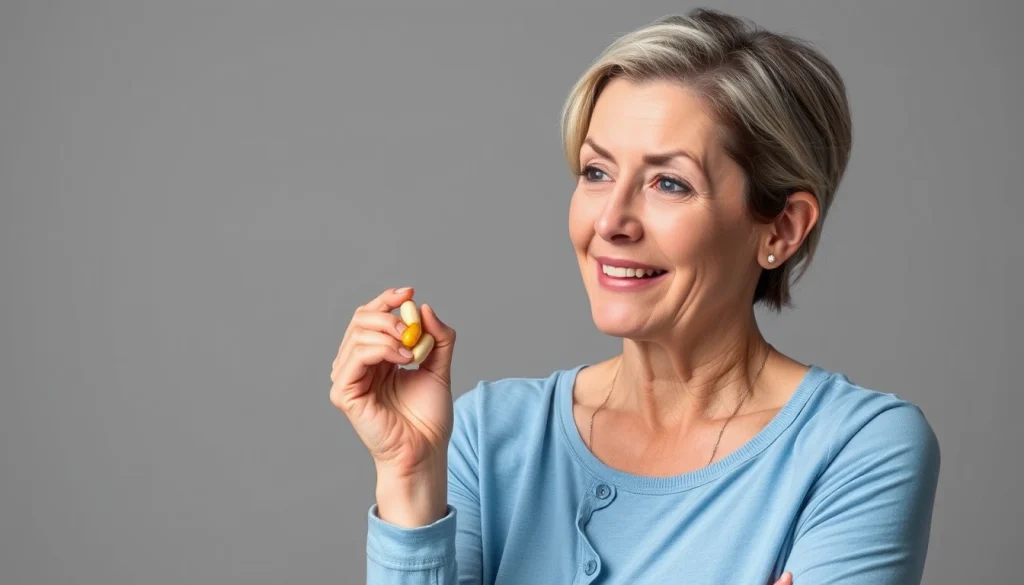
Best supplements for menopause symptoms: what to consider before buying
Last updated: August 11, 2026
We may earn a commission from qualifying purchases at no cost to you.
Quick Answer: The best supplements for menopause symptoms are the ones tied to one specific symptom and backed by plain labeling, basic quality checks, and a clinician’s advice when needed. In practice, that usually means 1 product for hot flashes, 1 for sleep, or 1 for bone support — not a random stack.
Key Takeaways
- Best first step: Match the supplement to the symptom, not the menopause label.
- Most practical pick: One-bottle formulas are easier to test for 2 to 8 weeks before deciding if they help.
- Safety rule: Ask a qualified clinician before use if you take prescription medicine, have a hormone-sensitive condition, liver concerns, kidney disease, or heavy bleeding.
- Evidence reality: Results for menopause supplements are mixed, and the same product may help one person and do nothing for another.
- Best overall approach: Start with the symptom you want to change, then check quality, ingredients, and tolerance.
One symptom. That’s the real starting point.
If you’re shopping for the best supplements for menopause symptoms, the short answer is this: begin with the symptom you actually want to address, then look for a product with decent quality control, a label you can read, and a plan to check it with a qualified clinician. This guide on supplements menopause symptoms: what consider before buying keeps that practical focus. Menopause symptoms vary a lot, and the supplement that seems “best” for hot flashes may be useless for sleep or joint aches.
I write about women’s health and supplements with a bias toward what a reader can realistically use and tolerate. Honestly, that matters. I’m not a clinician, so for your own situation — especially if you take prescription medicine, have a hormone-sensitive condition, or have heavy bleeding, chest symptoms, or sudden mood changes — speak to a qualified professional before buying anything.
Quick-pick comparison table
| Product | Best for | Rating | Key spec | Where to buy |
|---|---|---|---|---|
| Nature’s Way Black Cohosh Root | Hot-flash shoppers who want a simple single-ingredient option | 4.2/5 | Single-herb capsule; easy to identify on the label | Amazon |
| Estroven Complete Multi-Symptom | People wanting an all-in-one formula for multiple menopause complaints | 4.1/5 | Blend aimed at hot flashes, night sweats, mood, and sleep support | Amazon |
| Femarelle Recharge | Women more focused on bone support and overall menopause wellness | 4.0/5 | Menopause-focused formula with soy-derived components | Amazon |
| NOW Soy Isoflavones | Buyers who want a lower-frills soy-based option | 4.0/5 | Soy isoflavone supplement; straightforward ingredient list | Amazon |
| Nature Made Magnesium Glycinate | Sleep tension, muscle tightness, and general relaxation support | 4.3/5 | Magnesium glycinate form; often easier on the stomach than some other forms | Amazon |
| Solgar Calcium Magnesium Plus Zinc | Bone-health-minded shoppers who want a mineral combo | 3.9/5 | Calcium plus magnesium and zinc in one bottle | Amazon |
| Garden of Life Vitamin Code Raw B-Complex | People who suspect low energy may be part of the picture | 3.8/5 | B-complex with a whole-food style formula | Amazon |
How I picked these supplements

I did not pick these because they are loud on social media. I chose them because they map to the main symptom clusters people connect with menopause: hot flashes, sleep disruption, mood swings, bone-health concerns, and the “my body feels off” mix that often shows up in perimenopause. Useful starting points, basically. That makes them useful starting points for supplements menopause symptoms: what consider before buying.
For this kind of roundup, I look at four things:
- Ingredient clarity. I favor supplements that make it obvious what is inside, so the reader can compare products without guessing.
- Form and tolerability. Some ingredients are more likely to upset the stomach, interact with medications, or simply feel too aggressive for daily use.
- Brand transparency. I prefer brands that publish clear labels and basic quality information rather than hiding behind a menopause-themed blend.
- Use-case fit. A supplement only belongs on a menopause list if it matches a real, commonly discussed symptom pattern.
I also cut anything built on flashy promises. That filters out a lot. Research on supplements tends to show mixed results, and reputable sources such as the National Center for Complementary and Integrative Health and the Office on Women’s Health both emphasize that benefits vary and that product choice should be individualized. If you want a place to start on safety and evidence, those two organizations are a smart read: NCCIH on menopause and supplements and Office on Women’s Health on menopause.
I’m not claiming to have bought or clinically tested these products. What I am doing is judging which formulas make the most sense for a menopause shopper and which ones usually create the least confusion.
Best Overall: Estroven Complete Multi-Symptom
Verdict: Want one bottle that aims at several common menopause complaints at once? This is the most practical place to start.
Who it’s for: Someone dealing with a mix of hot flashes, sleep disruption, and general menopause discomfort who does not want to build a supplement stack one piece at a time.
Pros
- Broad symptom focus instead of a single narrow claim.
- Easy to understand as a “starter” menopause supplement.
- Less shopping friction for readers who want one product to try first.
- Usually easier to compare against similar menopause blends than a mystery proprietary formula.
Cons
- Multi-ingredient blends are harder to troubleshoot if you react badly.
- You give up some control over each ingredient.
- Not ideal if you only care about one symptom, such as sleep or bone health.
- People who prefer minimalist formulas may find it too busy.
Key specs
- Category: menopause multi-symptom supplement
- Format: capsule/tablet depending on version
- Main use case: hot flashes, night sweats, sleep, mood support
- Best reason to buy: broad coverage in one product
Compare the current price on Amazon.
Best Budget: Nature’s Way Black Cohosh Root

Verdict: I would choose this when the reader wants a simple, single-ingredient herb instead of a complicated blend.
Who it’s for: Shoppers who want to try black cohosh specifically and prefer a cleaner label.
Pros
- Single-ingredient format makes it easier to understand.
- Good for readers who want a more focused trial.
- Less chance of “ingredient overload.”
- Widely recognized herb in menopause discussions.
Cons
- Black cohosh is not a magic bullet; studies suggest mixed results.
- Not everyone tolerates herbal supplements well.
- If you need broader support for sleep or mood, this may feel too narrow.
- People with liver concerns should be especially cautious and discuss use with a professional.
Key specs
- Category: herbal menopause support
- Format: capsule
- Main use case: hot-flash-focused shoppers
- Best reason to buy: straightforward, single-herb approach
Compare the current price on Amazon.
Best for Multiple Symptoms: Femarelle Recharge
Verdict: For someone who wants menopause-specific support with an eye toward overall wellness, not just flashes, this is the one I’d look at.
Who it’s for: Buyers who care about a formula that is positioned for menopause as a whole and may value bone-related support cues.
Pros
- Menopause-focused rather than a general wellness supplement.
- May appeal to readers who want a formula that feels purpose-built for this life stage.
- Less confusing than picking separate products for every symptom.
- A reasonable choice for people who dislike herbal “kitchen sink” blends.
Cons
- Menopause-specific formulas can cost more than basic vitamins.
- If you only want one symptom targeted, the package may feel broader than needed.
- Soy-derived components are not for everyone.
- People with soy allergies or strong soy aversion should skip it.
Key specs
- Category: menopause support formula
- Format: capsule
- Main use case: multi-symptom menopause support
- Best reason to buy: targeted women’s-health positioning
Compare the current price on Amazon.
Best Soy-Based Option: NOW Soy Isoflavones
Verdict: If you want a simple soy-isoflavone product instead of a branded menopause blend, this is one of the cleaner ways to go.
Who it’s for: Readers who want a phytoestrogen-style supplement discussed in menopause research and prefer a straightforward label.
Pros
- Simple formula with a clear ingredient identity.
- Easier to compare with research that discusses soy isoflavones.
- Not as cluttered as many menopause blends.
- Good for people who want to avoid long proprietary formulas.
Cons
- Soy-based supplements are not a fit for everyone.
- Research on symptom relief is mixed and individual.
- Not ideal for anyone avoiding soy for allergy or preference reasons.
- As with any supplement, the label says what it contains, not how you will respond.
Key specs
- Category: soy isoflavone supplement
- Format: capsule
- Main use case: readers exploring soy-based menopause support
- Best reason to buy: simple, recognizable ingredient profile
Compare the current price on Amazon.
Best for Sleep Support: Nature Made Magnesium Glycinate
Verdict: Sleep-frustrated readers should look here before a bigger “menopause” blend if the real issue is restlessness, tight muscles, or a hard time winding down.
Who it’s for: People whose menopause symptoms include sleep trouble or nighttime tension more than classic hot flashes.
Pros
- Magnesium glycinate is often favored for tolerability.
- Works as a more general relaxation-support supplement rather than a menopause-only claim.
- Helpful for readers who want to separate sleep support from hormone-focused formulas.
- Simpler to stack with other products under a clinician’s guidance, if needed.
Cons
- This is not a menopause cure, and it is not aimed at hot flashes by itself.
- Magnesium can bother the stomach in some people.
- Readers expecting dramatic symptom changes may be disappointed.
- People with kidney disease should not self-direct mineral supplements. Please consult a qualified professional before using it.
Key specs
- Category: mineral supplement
- Format: capsule/tablet
- Main use case: sleep and relaxation support
- Best reason to buy: good tolerability profile for many users
Compare the current price on Amazon.
Best for Bone Health Focus: Solgar Calcium Magnesium Plus Zinc
Verdict: If your menopause shopping is really about bone-health maintenance, this mineral combo is the most logical pick in the list.
Who it’s for: Women who are already thinking about calcium and related minerals as part of a broader bone-health plan.
Pros
- Combines several minerals often discussed in bone-health routines.
- Saves you from buying separate bottles.
- Easy to recognize as a support product rather than a flashy promise.
- Can be useful for readers who want a conventional supplement format.
Cons
- Not everyone needs a calcium-heavy supplement.
- Mineral combos can be hard on the stomach.
- Zinc and calcium can complicate absorption timing with some medicines.
- This belongs in a larger bone-health conversation, not as a stand-alone fix.
Key specs
- Category: mineral combo
- Format: tablet
- Main use case: bone-health support during menopause
- Best reason to buy: practical all-in-one mineral setup
Compare the current price on Amazon.
Best B-Complex: Garden of Life Vitamin Code Raw B-Complex
Verdict: I’d look here if fatigue is the complaint and the reader wants a B-complex rather than a menopause-specific blend.
Who it’s for: People who feel worn down and want nutritional support that is broader than hormones.
Pros
- Covers several B vitamins in one product.
- Useful when the real concern is low energy, diet gaps, or general stress load.
- Not tied to one menopause symptom, which can be an advantage.
- Appeals to readers who like a whole-food style supplement.
Cons
- B-complex products can feel stimulating for some people.
- It may be irrelevant if your main issue is hot flashes or vaginal dryness.
- “More energy” claims are often oversold in the supplement world.
- Not a substitute for checking iron, thyroid, sleep, or other causes of fatigue with a professional.
Key specs
- Category: vitamin B-complex
- Format: capsule
- Main use case: energy and diet-gap support
- Best reason to buy: broader nutritional support, not just menopause branding
Compare the current price on Amazon.
Buying guide: what to look for before you buy
The biggest mistake I see is shopping for a menopause supplement as if every symptom came from one cause. It does not. Hot flashes, sleep problems, anxiety, low mood, vaginal dryness, and joint aches can overlap with perimenopause, but they can also have other causes. That is why supplements menopause symptoms: what consider before buying starts with a symptom check and a qualified professional, especially if the complaint is new, severe, or changing quickly.
Here’s how I would narrow the field:
1) Match the product to the symptom, not the label
A product marketed for “menopause” might help one person’s hot flashes and do nothing for another person’s sleep. If sleep is the real issue, a magnesium product may make more sense than a multi-herb blend. If bone health is your concern, a mineral-focused product may be more relevant than black cohosh.
2) Prefer simple labels when you’re testing an herb for the first time
When you are trying a supplement for the first time, I usually favor single-ingredient products or short formulas. They are easier to tolerate, easier to stop, and easier to talk through with a pharmacist or clinician. A 1-ingredient trial is often easier to judge after 2 to 4 weeks.
3) Watch for medication and condition conflicts
This is where many buyers go wrong. Some menopause supplements may matter if you have liver concerns, a soy allergy, kidney disease, a history of hormone-sensitive conditions, or if you take prescription medicine. That is not a reason to panic; it is a reason to ask.
4) Ignore flashy promises
If a product sounds like it will “balance hormones,” “reset menopause,” or “fix everything,” I’d be skeptical. Real-world results are usually more modest and more variable.
5) Check the label for dose and timing
A label that lists exact amounts is easier to use than one that hides behind a blend. A clear dose also makes it easier to compare products and avoid doubling up on the same nutrient.
When a supplement is not the right answer
Sometimes the best menopause move is not a supplement at all. Severe sleep loss, heavy bleeding, panic symptoms, chest pain, or symptoms that started suddenly after age 50 need a medical evaluation more than a shopping cart. Plain and simple. That is especially true when the issue could be anemia, thyroid disease, medication side effects, or something unrelated to menopause.
If you do decide to try a supplement, give it a fair but limited trial. For many people, that means 2 to 8 weeks, one product at a time, with notes on what actually changed. If nothing changes, stop and reassess instead of stacking another bottle on top.