Best soy foods for menopause: tofu, tempeh, edamame, and more
Best soy foods for menopause: tofu, tempeh, edamame, and more: Quick Answer: For soy foods menopause: tofu, tempeh, edamame, more , the best place to…
Best soy foods for menopause: tofu, tempeh, edamame, and more
Last updated: August 11, 2026
- We may earn a commission from qualifying purchases at no cost to you.
- Quick Answer: For soy foods menopause: tofu, tempeh, edamame, more , the best place to begin is usually edamame, tofu, and tempeh .
- Go with edamame for snacks, tofu for everyday meals, and tempeh for a firmer bite .
- Menopause advice gets tricky fast; food can help some people feel better, but it is not a cure-all.
We may earn a commission from qualifying purchases at no cost to you.
Quick Answer: For soy foods menopause: tofu, tempeh, edamame, more, the best place to begin is usually edamame, tofu, and tempeh. Want the shortest version? Go with edamame for snacks, tofu for everyday meals, and tempeh for a firmer bite. Soy foods may help some people with menopausal symptoms, but results vary, and a qualified health professional should help you tailor diet changes to your own needs.
Key Facts
– Best overall starter: shelled edamame
– Best all-purpose staple: extra-firm tofu
– Best for fullness: tempeh
– Best easy swap: unsweetened soy milk
– Best quick flavor boost: miso
– Best shelf-stable snack: roasted soy nuts
– Best soft option: soy yogurt
I write about nutrition for readers who want plain answers, not wellness fog. Menopause advice gets tricky fast; food can help some people feel better, but it is not a cure-all. The National Center for Complementary and Integrative Health and the North American Menopause Society both say responses differ from person to person.
Quick-pick comparison table
| Product | Best for | Rating | Key spec | Where to buy |
|---|---|---|---|---|
| Best overall: Shelled edamame | Easy, high-protein snack or side dish | 9/10 | Whole soybeans, usually frozen for convenience | Amazon |
| Best versatile staple: Extra-firm tofu | Everyday cooking, from stir-fries to scrambles | 9/10 | Neutral flavor, takes on sauces well | Amazon |
| Best for texture and fullness: Tempeh | People who want a firmer, nuttier soy food | 8.5/10 | Fermented soy with a hearty bite | Amazon |
| Best drinkable option: Unsweetened soy milk | Cereal, coffee, smoothies, or a dairy swap | 8/10 | Liquid soy, usually fortified | Amazon |
| Best pantry add-in: Miso | Soups, marinades, and quick savory flavor | 7.5/10 | Fermented soy paste, very salty | Amazon |
| Best convenience snack: Roasted soy nuts | Crunchy, shelf-stable snacking | 7.5/10 | Dried whole soybeans with more chew | Amazon |
| Best lighter option: Soy yogurt | Breakfast bowls or a dairy-free snack | 7/10 | Creamy, but quality varies a lot by brand | Amazon |
How I picked these soy foods
I chose these foods for a simple reason: they are the soy products most people can realistically buy, cook, or eat regularly without turning menopause support into a project.
I focused on:
- How easy the food is to use in real life. A food that sits in the pantry untouched is not useful for menopause.
- How much protein and staying power it tends to offer. Menopause can bring appetite shifts and energy swings, so I looked for foods that can anchor a meal.
- How processed the food is. I included both whole and more processed soy foods because convenience matters.
- How well the food fits different eating patterns. Some people want a snack, others want a meat swap, and others just want something they can stir into breakfast.
- What the evidence generally suggests about soy and menopause. Research on soy isoflavones suggests possible modest benefits for some people, especially with hot flashes, but not everyone responds the same way. For a neutral overview, the National Center for Complementary and Integrative Health and the North American Menopause Society are useful places to start.
A note on sources: for menopause-specific soy questions, I’d trust broad summaries from organizations such as the National Center for Complementary and Integrative Health and the North American Menopause Society more than a single splashy headline. I’m linking both because they are established references on this topic.
I’m not saying I tested these foods in a lab or measured clinical outcomes. I’m putting together a practical buying guide based on how these foods function in the kitchen, their typical nutrition profile, and what research generally suggests.
Best overall: Shelled Edamame
Edamame is the easiest soy food to recommend if you want one item that works as a snack, side, or salad topper.
I’d choose it for someone who wants the most straightforward entry point into soy during menopause.
Edamame is simply young soybeans. That matters because it gives you a whole-food feel with a mild taste and a texture most people can handle quickly. It is also one of the easiest ways to get soy into a routine without changing the rest of your diet much.
Brief answer.
Pros
- Mild flavor, so it works with salt, chili, lemon, or sesame
- Easy to portion as a snack or add to grain bowls
- Whole-soy format feels less “processed” than many soy products
- Freezer-friendly for low-effort use
Cons
- Not everyone likes the slightly starchy bean texture
- Still needs some prep unless you buy it ready to eat
- If you want a meaty substitute, this is not that
Key specs
- Form: whole soybeans
- Best use: snack, side dish, salad topper
- Texture: tender, slightly firm
- Convenience level: high if frozen
Compare the current price on Amazon
Best versatile staple: Extra-Firm Tofu
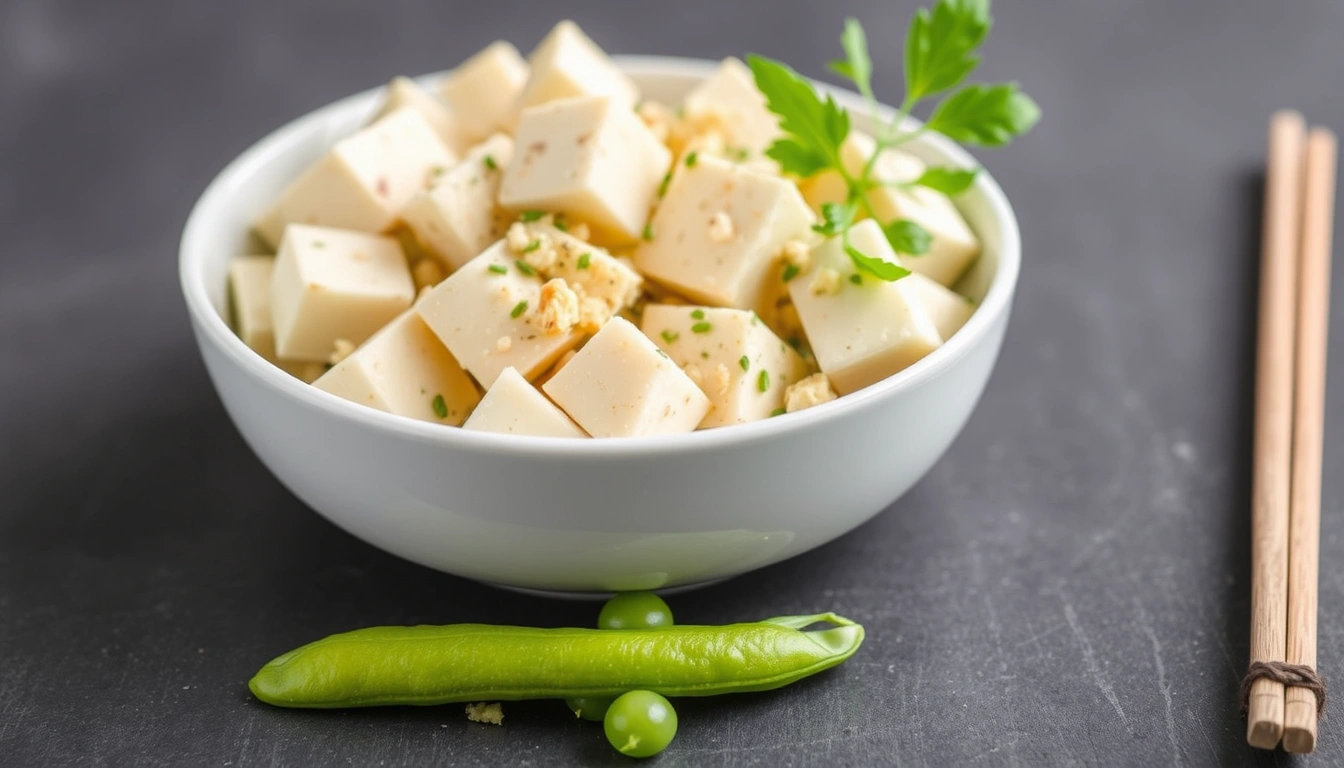
Extra-firm tofu is the most flexible soy food on this list, and that flexibility is why it wins for many kitchens.
I’d choose it for readers who want one soy food they can use at breakfast, lunch, or dinner.
Tofu is the blank canvas of soy foods. In practical terms, that means it can behave like eggs in a scramble, protein in a stir-fry, or the base of a savory bowl. For menopause eating, that kind of adaptability matters because symptom-friendly habits have to survive real weekdays.
Fast to use.
Pros
- Very versatile in daily cooking
- Neutral enough to take on marinades and sauces
- Works in savory and some sweet applications
- Easy to pair with vegetables, grains, and noodles
Cons
- Bland on its own
- Texture can be a dealbreaker if you want chew
- Some people dislike handling and pressing it
Key specs
- Form: soy curd
- Best use: stir-fries, scrambles, sheet-pan meals
- Texture: soft to firm depending on style
- Convenience level: medium
Compare the current price on Amazon
Best for texture and fullness: Tempeh
Tempeh is the best pick if you want a firmer bite and a food that feels more substantial than tofu.
I’d point people here if they like a nuttier flavor and want a soy option that stands up to bold seasoning.
Tempeh is fermented soy, and that gives it a distinct personality. It slices cleanly, browns well, and can make a meal feel more satisfying. But its stronger flavor is also the reason some readers will pass on it.
Good for meals.
Pros
- Hearty, chewy texture
- Holds shape well in pan cooking
- Nuttier, more savory flavor than tofu
- Makes a solid meat substitute in sandwiches and bowls
Cons
- The flavor can feel too earthy for some people
- Usually less beginner-friendly than tofu
- Fermented foods can be a no-go for readers with specific dietary sensitivities
Key specs
- Form: fermented soy cake
- Best use: sandwiches, stir-fries, grain bowls
- Texture: firm and chewy
- Convenience level: medium
Compare the current price on Amazon
Best drinkable option: Unsweetened Soy Milk
Soy milk is the easiest soy food for people who do not want to “eat soy” directly.
I’d choose it for coffee drinkers, cereal eaters, and anyone replacing dairy one step at a time.
Soy milk can be a practical menopause food because it slips into existing habits. If a reader already has oatmeal or smoothies in the morning, soy milk is an easy switch. I would look for unsweetened versions, since many flavored plant milks lean sugary.
Pros
- Easy to use in coffee, tea, cereal, and smoothies
- Usually gentler for people who do not want whole beans or chews
- Often fortified, though labels vary
- Simple transition from dairy milk
Cons
- Some brands taste thin or beany
- Sweetened versions can add unwanted sugar
- Fortification is inconsistent, so the label matters
Key specs
- Form: liquid soy beverage
- Best use: drinks, cereal, baking
- Texture: smooth, varying richness
- Convenience level: high
Compare the current price on Amazon
Best pantry add-in: Miso
Miso is not the first soy food I’d think of for menopause, but it earns a place because it makes healthy eating easier to keep doing.
I’d pick it for someone who wants fast savory flavor and already likes soups or marinades.
Miso is fermented soy paste with a salty, concentrated taste. It is not a protein powerhouse in the way tofu or tempeh are, but it can help make vegetables, noodles, or broth feel more satisfying. That helps when appetite or meal motivation is off.
Pros
- Strong flavor in a small amount
- Useful for quick soups, glazes, and dressings
- Keeps well in the fridge
- Pairs nicely with vegetables and grains
Cons
- Very salty, so it is not a casual spoonable food
- Not a main protein source
- The flavor can overwhelm delicate dishes
Key specs
- Form: fermented soy paste
- Best use: soups, marinades, sauces
- Texture: paste
- Convenience level: high once opened
Compare the current price on Amazon
Best convenience snack: Roasted Soy Nuts
Roasted soy nuts are the best shelf-stable option if you want crunch, portability, and a little more staying power than chips.
I’d recommend them to readers who want a desk snack or travel snack that still feels food-like.
They are not as versatile as tofu or edamame, but they are easy to keep around. That matters when menopause symptoms make regular meals harder to line up. The trade-off is plain: the roasted taste and firm crunch are not for everyone.
Pros
- Shelf-stable
- Crunchy and portable
- More filling than many snack foods
- Easy to portion into a bag or container
Cons
- Can be dry or hard if you prefer softer snacks
- Flavor varies a lot by seasoning
- Easy to overeat if you snack mindlessly
Key specs
- Form: roasted whole soybeans
- Best use: snack, topping, portable protein
- Texture: crunchy
- Convenience level: very high
Compare the current price on Amazon
Best lighter option: Soy Yogurt
Soy yogurt is the best choice if you want a softer, breakfast-friendly soy food and do not want another savory protein.
I’d choose it for people who like fruit bowls, smoothies, or a cold snack.
This category is less consistent than the others. Some soy yogurts are creamy and balanced; others taste watery or overly sweet. So I’d treat soy yogurt as a convenience option, not the backbone of your menopause plan, and I’d check in with a qualified health professional if you are using it to replace a larger part of your diet. Broad guidance from the National Center for Complementary and Integrative Health is a sensible place to start.
Pros
- Easy breakfast or snack
- Works with fruit, oats, and seeds
- Dairy-free for people avoiding milk
- Can be soothing if you want something cold and soft
Cons
- Brand quality varies a lot
- Some versions are sugary
- Usually less filling than tofu, tempeh, or edamame
Key specs
- Form: cultured soy dessert or yogurt
- Best use: breakfast bowl, snack, smoothie base
- Texture: creamy, brand-dependent
- Convenience level: high
Compare the current price on Amazon
Buying guide: how to choose the right soy food for menopause
If I were helping a reader choose just one soy food, I would start with the meal pattern, not the symptom.
Choose edamame if:
- You want the easiest whole-food option
- You snack between meals
- You want something mild and simple
Choose tofu if:
- You cook at home a few times a week
- You want a flexible meat alternative
- You do not mind seasoning your food
Choose tempeh if:
- You like firmer textures
- You want something more filling
- You enjoy savory, nutty flavors
Choose soy milk if:
- You want the least disruptive change
- You already use milk in drinks or cereal
- You want an easy pantry habit
Choose miso if:
- You want flavor more than protein
- You cook soups, noodles, or vegetable dishes
- You like salty, savory foods
Choose soy nuts if:
- You need a shelf-stable snack
- You want crunch and portability
- You tend to skip meals and over-snack later
Choose soy yogurt if:
- You prefer cold, soft foods
- You want a breakfast or snack format
- You are willing to compare labels carefully
Common mistakes I’d avoid
- Picking only the most processed soy product. A flavored snack is not the same as a meal anchor.
- Assuming all soy foods work the same way. Tofu, tempeh, soy milk, and miso are not interchangeable.
- Ignoring the rest of the label. Sugar, sodium, and added oils matter.
- Expecting immediate symptom relief. Research suggests possible benefits for some people, but response varies.
- Using soy as a stand-in for medical care. Menopause symptoms can overlap with other health issues, so a qualified professional