Best protein powders for menopause weight management
Best protein powders for menopause weight management: Quick answer: for menopause weight management, the best protein powders are usually the ones that…
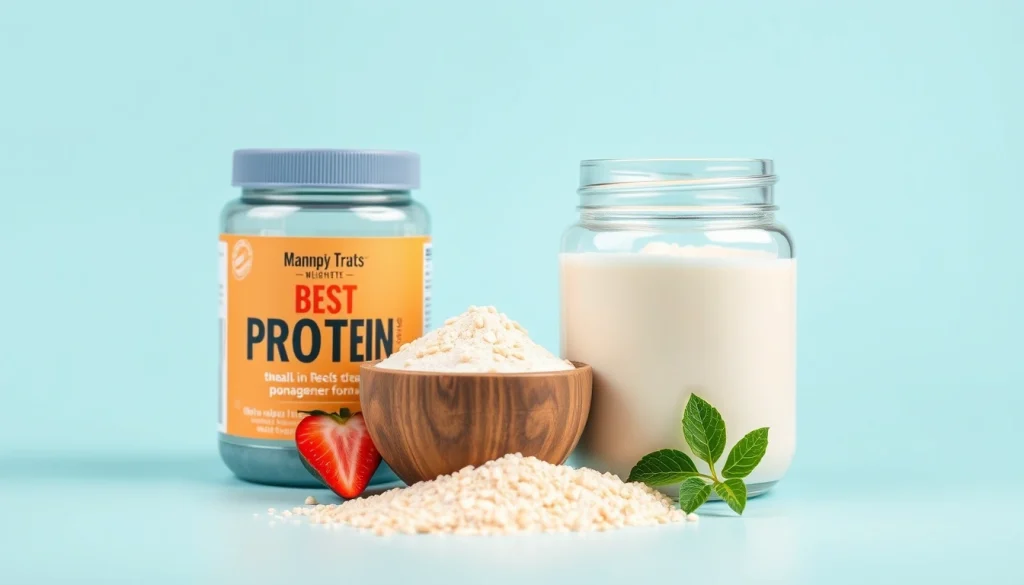
Best protein powders for menopause weight management
Last updated: August 11, 2026
- It may not be the best fit if you want a budget-first pick.
- Some people need a blender to get the best result.
- Not the best pick if you want a sweeter, smoother shake right out of the tub.
- We may earn a commission from qualifying purchases at no cost to you.
We may earn a commission from qualifying purchases at no cost to you.
Quick answer: for menopause weight management, the best protein powders are usually the ones that give you at least 20 grams of protein per serving, keep added sugar low, and still taste good enough that you will actually reach for them more than once a week. Protein can help with satiety and muscle maintenance, but it is not a cure for menopause weight gain, so talk with a qualified clinician or registered dietitian if you have kidney disease, diabetes, a history of disordered eating, or take medications that affect appetite or blood sugar. For general background, see the National Institute on Aging and USDA guidance.
Key facts
- Most of the picks below aim for about 20 to 25 grams of protein per serving.
- Lower added sugar matters more than flashy flavor names.
- Whey isolate is usually more protein-dense; plant blends are often easier to use if you avoid dairy.
- A shake that tastes acceptable can be more useful than a “perfect” powder you never finish.
When menopause-related weight changes enter the picture, the protein powder that usually makes the most sense is the one you will use regularly: high in protein, low in sugar, and easy on your stomach. If you are trying to keep calories purposeful and cut down on grazing, a shake that tastes acceptable without feeling like dessert can be the difference between steady use and a tub collecting dust in the pantry. Protein can support satiety and muscle maintenance, but it is not a cure for menopause weight gain. Talk with a qualified clinician or registered dietitian about your own health situation, especially if you have kidney disease, diabetes, a history of disordered eating, or take medications that change appetite or blood sugar.
I write about nutrition products with a focus on label reading, ingredient quality, and real-world use differences, not just marketing copy.
Table of contents
- Quick-pick comparison table
- How I picked these powders
- Best Overall: Orgain Organic Protein & Superfoods
- Best Whey Isolate: Transparent Labs 100% Grass-Fed Whey Protein Isolate
- Best for Active Women: Garden of Life Sport Organic Plant-Based Protein
- Best Budget-Friendly Plain Option: NOW Sports Whey Protein Isolate
- Best for Low-Carb Eaters: Isopure Zero Carb Protein Powder
- Best Minimalist Plant Protein: Naked Pea
- Best for Easy Mixing: Vital Proteins Collagen Peptides
- Buying guide: how I would choose a protein powder for menopause weight management
Quick-pick comparison table
Quick answer: the products below are grouped by use case, not by laboratory ranking, because brand labels and formulas change over time.
| Product | Best for | Rating | Key spec | Where to buy |
|---|---|---|---|---|
| Orgain Organic Protein & Superfoods | Best overall for easy daily use | 4.6/5 | Plant-based, low added sugar, blended ingredients | Amazon |
| Transparent Labs 100% Grass-Fed Whey Protein Isolate | Best whey isolate for higher protein density | 4.7/5 | Whey isolate, minimal extras, no artificial sweeteners | Amazon |
| Garden of Life Sport Organic Plant-Based Protein | Best for active walkers and strength training | 4.5/5 | Plant-based, sports-oriented formula | Amazon |
| NOW Sports Whey Protein Isolate | Best budget-friendly plain option | 4.3/5 | Unflavored or lightly flavored, simple formula | Amazon |
| Isopure Zero Carb Protein Powder | Best for low-carb eaters | 4.4/5 | Zero-carb positioning, whey isolate base | Amazon |
| Naked Pea | Best minimalist plant protein | 4.2/5 | Single-source pea protein, short ingredient list | Amazon |
| Vital Proteins Collagen Peptides | Best for people who want mix-in convenience | 4.1/5 | Collagen peptides, easy dissolution | Amazon |
How I picked these powders
To narrow the list, I focused on powders that make sense for menopause weight management: products that help a person get more protein without turning the shake into a sugar bomb. I looked for formulas with roughly 20 grams of protein per serving or more, lower added sugar, and ingredient lists that are easy to understand at a glance.
-
– **Protein-forward formulas** that can help close the gap when appetite shifts or meals get smaller.
– **Lower added sugar** and no heavy reliance on candy-style flavors.
– **Simple ingredient lists** when possible, because many readers in midlife do better when powders are easy on the stomach.
– **Different use cases**, because the right powder for a smoothie drinker is not the same as the right powder for someone who wants a plain shaker bottle.
– **Availability at more than one retailer**, so you are not boxed into one store.
I am not claiming laboratory testing or personal medical outcomes. For this roundup, I relied on publicly available product labels, ingredient lists, and the kinds of formulation differences that matter in everyday use. I also weighed what commonly shows up in clinical nutrition guidance: protein can support fullness and lean mass, but total diet, resistance training, sleep, and stress matter too. For general background, see the National Institute on Aging’s menopause resources and the USDA’s protein guidance.
Authoritative references worth reading:
- National Institute on Aging: Menopause basics and symptom guidance: https://www.nia.nih.gov/health/menopause
- USDA MyPlate protein foods guidance: https://www.myplate.gov/eat-healthy/protein-foods
Best Overall: Orgain Organic Protein & Superfoods
Verdict: This is the pick I would call most livable if you want a powder that is easy to use, not just easy to advertise. It suits readers who want a plant-based shake that feels like a normal weekday habit.
Orgain makes sense for menopause weight management because it tends to be more forgiving than overly sweet, dessert-like powders. If you are trying to keep calories purposeful and avoid grazing, a shake that tastes acceptable without feeling like a treat can be the difference between regular use and a tub that sits in the pantry. In practice, that makes it a steady option rather than a flashy one. Honestly, that trade-off is useful.
Pros
- Plant-based format suits readers who avoid dairy or find whey too heavy.
- Usually easier to pair with fruit, yogurt, or greens in a breakfast smoothie.
- The flavor profile is often mild enough for everyday use.
- Broad retailer availability gives you more than one buying option.
Cons
- Plant-based powders can feel gritty or earthy to some people.
- It may not satisfy someone who wants a very high-protein, low-carb formula.
- Some users prefer a simpler ingredient panel than blended “superfood” powders provide.
Key specs
- Protein source: plant-based blend
- Best use: smoothie, breakfast replacement, or post-walk shake
- Texture note: can be thicker than whey in some mixes
- Sweetness: generally moderate rather than aggressive
Compare the current price on Amazon.
Best Whey Isolate: Transparent Labs 100% Grass-Fed Whey Protein Isolate
Verdict: I would choose this if your priority is a cleaner whey isolate with less fluff and you tolerate dairy well. It is a strong fit for someone who wants a straightforward protein hit without a long ingredient parade.
Whey isolate can be useful for menopause weight management because it is typically protein-dense and easy to mix after strength training or as a bridge between meals. Transparent Labs is not trying to hide behind candy flavors or a giant proprietary blend; that’s the appeal. It is a better match for readers who already know they like whey, to be fair.
Pros
- Whey isolate is usually a good fit for people who want a more concentrated protein option.
- Minimalist approach makes label reading easier.
- No artificial-sweetener-heavy profile is a plus for readers who dislike that aftertaste.
- Available through multiple retailers, not just Amazon.
Cons
- Not appropriate for readers who need to avoid dairy.
- The cleaner formula can taste less “fun” than mainstream flavored powders.
- It may not be the best fit if you want a budget-first pick.
Key specs
- Protein source: whey isolate
- Best use: post-exercise shake or protein-boosted coffee
- Texture note: usually smooth when mixed well
- Flavor style: cleaner, less dessert-like
Compare the current price on Amazon.
Best for Active Women: Garden of Life Sport Organic Plant-Based Protein
Verdict: This is a strong fit if you are walking more, lifting a few days a week, or simply want a sports-oriented powder without whey. It is the option I would point to for someone who wants a plant protein that feels more performance-minded than generic.
During menopause, maintaining muscle matters as body composition shifts. A sports-positioned powder makes sense when your routine includes exercise, because it is easier to tie protein use to a habit you already have: after a workout, after a brisk walk, or at breakfast before a busy day. If you want a plant-based option and are active three to five days a week, this is an easy place to start. Simple. Useful. No drama.
Pros
- Designed for active users, so it fits post-exercise routines well.
- Plant-based formula helps readers who avoid dairy.
- Often chosen by people who prefer organic-positioned supplements.
- Works well in smoothies with berries or nut butter.
Cons
- Plant-based sports powders can be pricier than plain protein options.
- Some readers find the texture a little chalky.
- It may be more product than you need if you only want a simple add-in.
Key specs
- Protein source: plant-based blend
- Best use: post-workout smoothie
- Texture note: works better in a blender than a spoon stir
- Sweetness: usually moderate
Compare the current price on Amazon.
Best Budget-Friendly Plain Option: NOW Sports Whey Protein Isolate
Verdict: This is the one I would look at first if you want a no-nonsense whey isolate and do not want to pay for branding extras. It is the better pick for readers who care more about function than flavor fireworks.
For menopause weight management, budget matters because protein only helps if you can use it regularly. A simpler powder with a shorter ingredient list can be easier to keep in rotation month after month, especially if you are using one scoop at a time rather than building a full meal replacement. That math stops working fast if a product is too pricey.
Pros
- Plain formula suits people who want to add their own cocoa, cinnamon, or fruit.
- Whey isolate can be a practical choice for protein density.
- Good for readers who dislike heavily sweetened powders.
- Usually sold through several major retailers.
Cons
- Unflavored powders are not for everyone.
- The taste and texture are functional, not indulgent.
- Some people need a blender to get the best result.
Key specs
- Protein source: whey isolate
- Best use: mixing into smoothies, oats, or coffee
- Texture note: most flexible when combined with other ingredients
- Flavor style: plain or lightly flavored
Compare the current price on Amazon.
Best for Low-Carb Eaters: Isopure Zero Carb Protein Powder
Verdict: This is a strong choice if you are keeping carbs lower and want a whey-based powder that stays out of the way. It is especially useful for people who want a shake that acts like protein first, drink second.
I like this pick for readers who are already watching total carbohydrate intake and do not want a powder that sneaks in a lot of extras. In menopause, some people find that keeping meals simpler helps them feel more in control; this product fits that style. Because of that, it can work well as a quick breakfast or between-meal option. Clean and spare. That is the point.
Pros
- Low-carb positioning is clear and useful.
- Good option when you want protein without a lot of competing ingredients.
- Can work well in savory or neutral recipes, not just sweet ones.
- Sold by Amazon and other major retailers.
Cons
- Low-carb formulas can taste thinner or more artificial to some users.
- Not ideal if you prefer a richer, creamier shake.
- Dairy-based, so it will not suit everyone.
Key specs
- Protein source: whey isolate
- Best use: low-carb shake or quick breakfast
- Texture note: generally lighter than thicker meal-style powders
- Flavor style: straightforward, often not dessert-like
Compare the current price on Amazon.
Best Minimalist Plant Protein: Naked Pea
Verdict: This is the choice I would make if you want the shortest ingredient list and you do not mind a more earthy taste. It is for the reader who wants control over everything added to the shake.
Minimalist powders have one big advantage for weight management: they are less likely to sneak in sugar or extra fillers. That can be useful if you are using protein as a hunger-management tool rather than a dessert replacement. In plain terms, the panel stays short and the decision stays simple.
Pros
- Very simple ingredient approach.
- Good for people who want to mix their own flavors.
- Plant-based, so it works for dairy-free diets.
- Easy to pair with unsweetened milk alternatives.
Cons
- Pea protein taste is not subtle.
- Texture can be dense if you under-mix it.
- Not the best pick if you want a sweeter, smoother shake right out of the tub.
Key specs
- Protein source: pea protein
- Best use: custom smoothies or plain shakes
- Texture note: best with a blender
- Flavor style: earthy and straightforward
Compare the current price on Amazon.
Best for Easy Mixing: Vital Proteins Collagen Peptides
Verdict: I would not call collagen the most complete protein choice for menopause weight management, but it deserves a place here for convenience. It dissolves easily and fits into coffee, tea, and soups better than most powders.
This is the one I would recommend only with a clear caveat: collagen is not the same thing as a full meal-style protein powder.