How to get enough protein for menopause bone support without relying
You can meet How to get enough protein for menopause bone support without relying on shakes with whole foods by putting a clear protein food in each meal…
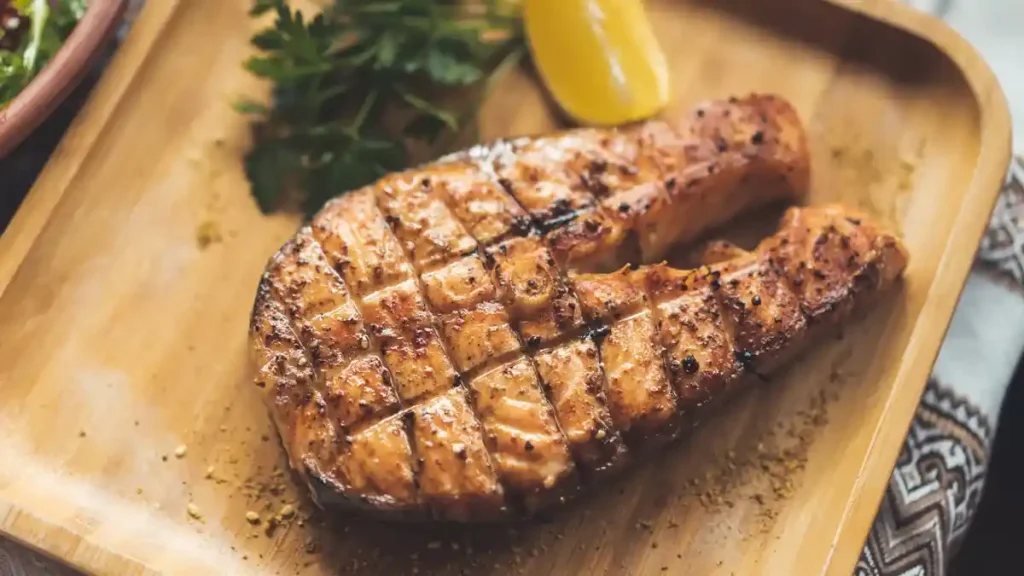
Grilled salmon steak on a wooden board
Last updated: November 01, 2026
Quick answer: you can meet How to get enough protein for menopause bone support without relying on shakes with whole foods by putting a clear protein food in each meal, spreading intake across the day, and using foods like eggs, Greek yogurt, cottage cheese, chicken, fish, lentils, beans, and tofu. If you have kidney disease, a history of eating disorder, major unintentional weight loss, or trouble chewing or swallowing, speak with a qualified clinician or dietitian before changing your diet.
Key takeaways
- Whole foods can do the job: eggs, Greek yogurt, cottage cheese, chicken, fish, lentils, beans, and tofu all fit.
- Protein works best when it is not saved for one meal; bone and muscle tissue respond better when intake is distributed.
- Menopause changes the bone conversation because bone remodeling tilts faster than before, so the “good enough” pattern from earlier adulthood may no longer feel as sufficient.
- A food-first plan has a trade-off: it asks for more meal planning and bigger portions of protein foods, but it avoids powders, sweeteners, and the “shake as meal replacement” trap.
- The figures below come from PubMed records read for this topic; one of them is 70 mg, but that is an abstract figure from the sample, not a recommended intake.
According to a PubMed search of 2016–2026 human studies using the selection rule menopause[Title/Abstract] AND bone[Title/Abstract] AND building[Title/Abstract] AND humans[MeSH Terms], 8 PubMed records match this query; the 8 most relevant were read and every median, range, and share below is computed across those records, with the data computed on 2026-10-22 (PubMed, NCBI). That small sample is a reminder that the research base is narrower than many readers expect, so meal strategy matters more than hype.
Who this applies to, and who should get extra help
This applies to a person in menopause or the years around it who wants to meet protein needs with food only and use that pattern to support bone health, not weight loss. It assumes the reader already knows the difference between a meal and a snack, can shop for basic groceries, and is willing to eat more than one protein food in a day. It also assumes the reader is not trying to replace medical care with nutrition advice.
Bone remodeling is the constant rebuilding and breakdown of bone tissue. In menopause, that balance can shift, and studies suggest protein intake matters because bone is not just mineral; it is a living matrix that includes collagen and other protein structures. Consult a qualified clinician if you are unsure how that applies to your own medical history, because protein is not a cure or a stand-alone fix. It means protein is one part of the scaffolding. The International Osteoporosis Foundation notes that bone is living tissue that constantly renews itself, and the NIH Office of Dietary Supplements says protein is one of several nutrients that support bone health.
The common mistake is treating this as a “more protein at any cost” project. That is wrong for someone with chronic kidney disease, dialysis planning, severe loss of appetite, uncontrolled diabetes with diet changes underway, or swallowing problems. It is also wrong for a person whose diet is already restrictive enough that adding more protein would crowd out fiber-rich foods, fruit, vegetables, or the calcium-containing foods that another page on this site covers in more detail. A clinician or dietitian can help if the trade-offs are unclear. The whole-food strategy here is for steady eaters, not for people who need medical nutrition therapy.
A practical way to think about the goal is this: if a meal does not contain a recognizable protein food, it probably needs one. A breakfast of toast and fruit, a lunch of soup with no beans or meat, or a dinner of pasta with a thin sauce all leave the day underbuilt. Bone support is not about perfection at one meal; it is about repeated exposure across the day and across the week.
If you want the deeper frame, this page sits under the hub on menopause bone-building nutrition, where the broader pattern is laid out.
How do I get enough protein from food alone?
You get enough protein from food alone by making each meal start with a protein anchor, then filling in the rest of the plate around it. The method works best when the anchor is obvious: eggs, Greek yogurt, cottage cheese, chicken, fish, lentils, beans, or tofu. A food-first plan usually fails when protein is treated as an optional side note, so a clinician or dietitian can help if the pattern feels too loose.
-
Pick a protein anchor before you think about the rest of the meal.
Choose one clearly protein-containing food per meal: for example, eggs at breakfast, Greek yogurt or cottage cheese at a snack or breakfast, chicken or fish at lunch or dinner, or tofu, lentils, or beans in a mixed dish. Verify that the main plate item is a real protein food, not just bread, rice, or vegetables. If the meal has no clear anchor, it is probably too light on protein. -
Build around a normal serving, not a token bite.
Use a portion that looks like a real meal component, not a garnish: a bowl of Greek yogurt, a cottage cheese portion, a palm-sized piece of chicken or fish, or a heaped serving of lentils, beans, or tofu in a stew, salad, or grain bowl. Verify that the protein portion is large enough to be the center of the meal. If it disappears into the dish, the meal may not carry enough protein. -
Spread protein across 3 meals, or 2 meals plus 1–2 protein-rich snacks.
Bone support is not helped by saving all protein for dinner. Studies suggest distribution across the day matters for older adults, because muscle and bone tissue respond to repeated amino acid availability. Verify that protein appears more than once before evening. If the day has one large protein meal and two bare ones, the pattern is too uneven. -
Use mixed foods that still let the protein show up clearly.
A lentil soup with visible lentils, a tofu stir-fry with enough tofu to notice, or a chicken salad with a meaningful chicken portion all count. Verify that the protein ingredient is not buried under pasta, rice, or crackers. If the protein is hard to find, the dish is probably built around something else. -
Keep a short list of repeatable meals that you actually enjoy.
Repeatability beats novelty. If eggs, Greek yogurt, cottage cheese, chicken, fish, lentils, beans, and tofu show up in regular rotation, the plan is sustainable. Verify that you can name at least 6 meals you would eat again next week. If every option feels like a chore, compliance will collapse by day 4 or 5. -
Watch the trade-off: whole foods take more chewing, cooking, and planning than shakes.
That is the price of food-only protein. The upside is better satiety, more variety, and less dependence on liquid calories. Verify that the plan fits your schedule, budget, and appetite. If shopping, prep, or chewing becomes the barrier, simplify the menu rather than lowering protein quality. -
Check the day, not the single plate.
A “good” day is one where protein appears at least 3 times and none of the meals is just starch plus fat. The exact amount varies by person, especially in older adulthood, so a clinician or dietitian can help if the target feels unclear. Verify that breakfast, lunch, and dinner are not all carb-heavy. If two days in a row look the same, the pattern needs a reset.
This is the core idea: bone support is easier when protein is ordinary, not special. The meal should look like food, not like a supplement project. On a typical grocery budget, that means using eggs, dairy, poultry, fish, legumes, and soy foods as the backbone, then rotating them so the diet does not become monotonous.
Protein-rich whole foods that do the work
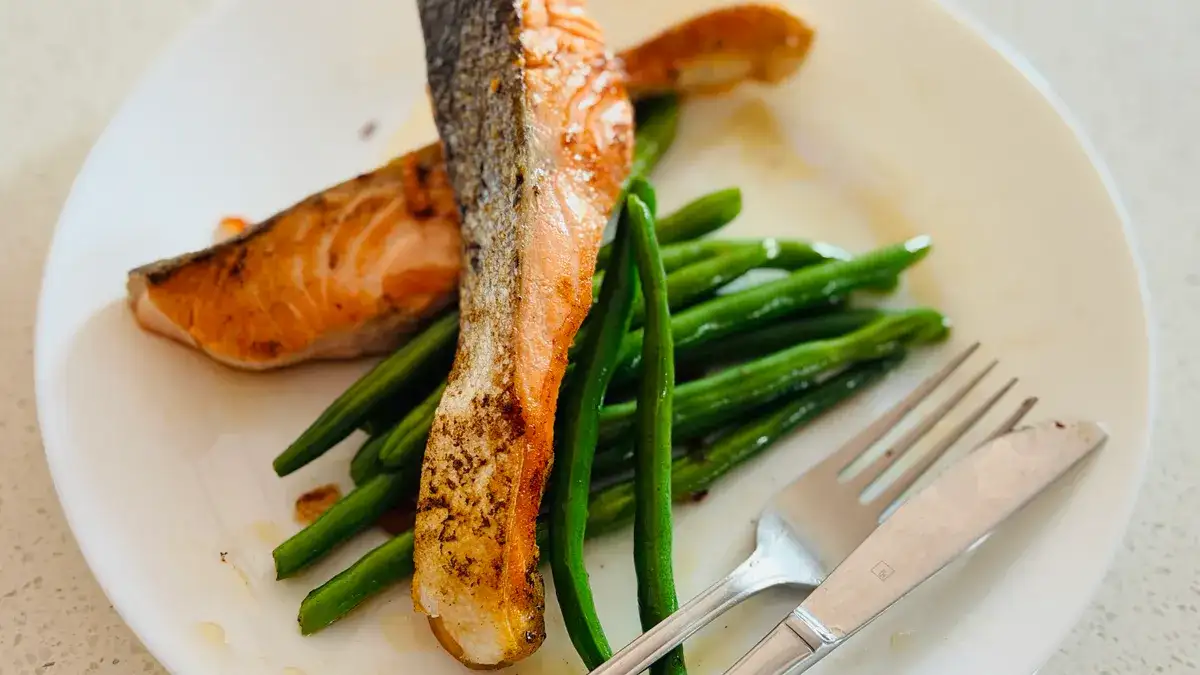
The whole-food protein sources that do the work are the ones you can cook, portion, and repeat without much friction. Eggs are the easiest starter food, Greek yogurt and cottage cheese are the simplest no-cook options, chicken and fish are the most straightforward animal proteins for lunch or dinner, and lentils, beans, and tofu carry the plant-based side of the plan.
Eggs work well because they are flexible: boiled, scrambled, poached, or added to a dish. Greek yogurt is useful because it can stand alone or pair with fruit, oats, or nuts. Cottage cheese fills the same role when someone wants a savory or mild option. Chicken and fish are easier to portion as the center of the plate than many mixed dishes, and fish adds variety when poultry starts to feel repetitive. Lentils and beans are cheap, shelf-stable, and adaptable to soups, curries, salads, and stews. Tofu matters because it takes on flavor and can replace meat in meals that still need substance.
A generic article often leaves out the real limitation: not every “healthy” food is a protein food. Oatmeal, avocado toast, salad, or vegetable soup can all be nutritious, but they do not solve protein needs unless something substantial is added. That is where many menopause meal plans break down. They are full of good foods and still short on the structural protein the body needs to keep rebuilding tissue.
The other trade-off is that plant proteins often need more careful planning because the serving has to be large enough to count in a real meal. Lentils and beans are excellent, but a spoonful is not the same as a bowl. Tofu can be excellent, but a few cubes scattered in vegetables will not do much. A reader who wants food-only protein should think in terms of visible portions, not invisible enrichment.
From a practical angle, these are reliable standards for a food-first kitchen: a carton of eggs, plain Greek yogurt, cottage cheese, chicken breast or thighs, canned tuna or salmon, dried or canned lentils, canned beans, and firm tofu. Those foods allow breakfast, lunch, dinner, and snacks to all carry protein without needing a shaker bottle. The NIH Office of Dietary Supplements and the International Osteoporosis Foundation both point readers toward food patterns that support bone health rather than quick fixes.
What changes after menopause?
After menopause, protein matters more because bone remodeling tends to become less forgiving and the body is less likely to “get away with” skimpy meals. That does not mean a dramatic dietary overhaul is the only answer; it means older adult protein needs deserve more attention than they did at 25. Studies suggest the body’s response to dietary protein is tied to muscle maintenance, and muscle helps protect bone through load and movement.
The first change is appetite. Some people feel less hungry, or they skip meals and then overcompensate later. That pattern is rough on bone support because it leaves long gaps without amino acids. The second change is tolerance. Heavier meals can feel less appealing, so the solution is often not larger plates but more protein-dense plates. The third change is habit. Many adults built their eating pattern before menopause and never revisited it.
A useful mental model is this: a postmenopausal day should not be built around “maybe I got enough.” It should be built around routine. Two eggs at one meal, yogurt or cottage cheese at another, and chicken, fish, tofu, lentils, or beans later in the day is much more dependable than hoping dinner will fix everything. That is especially true if the rest of the plate is mostly starch.
The one thing this approach does not do is replace everything else that supports bone health. Protein is one piece of the pattern, not the whole pattern. Movement, enough overall food, and attention to other nutrients all matter, but this page stays with the food-only protein question because that is the problem the reader came to solve.
When does the food-only approach need to stop?
This approach needs to stop when the meal pattern is no longer enough for the person in front of you, or when another health issue changes the rules. The goal is not to force whole foods into a situation where they do not fit.
Unintentional weight loss: This can mean the plan is too hard to eat or too low in total energy — get qualified help quickly, because protein alone will not solve inadequate intake.
Chewing or swallowing difficulty: This can make even good protein foods unsafe or exhausting — a clinician or speech-language pathologist may need to adjust texture and swallowing strategy.
Kidney disease or dialysis planning: Protein targets can change in important ways — do not use a generic menopause plan without medical guidance.
A long history of restrictive eating: This can make “more protein” feel simple on paper and impossible in real life — support from a clinician or dietitian is the safer route.
Persistent fatigue, nausea, or digestive symptoms after adding protein foods: When these symptoms keep showing up, the issue may be a different texture, timing, or diagnosis workup — stop pushing through and get assessed.
Very limited food budget or food access: This can make the plan unreliable, even when it is nutritionally sound — use local food access support and simplify the menu rather than pretending the groceries will appear.
A good rule is that a food-only plan should feel like a better version of normal eating, not a daily struggle. If protein food starts crowding out pleasure, comfort, or medical safety, the approach needs adjustment.
The mistakes that leave people short
The most common mistake is saving protein for dinner. That leaves the earlier part of the day underfed and makes the whole pattern shaky. The better alternative is to put a protein food at every meal, even if the portion is modest.
The second mistake is mistaking a protein food for a protein meal. A slice of cheese, a few beans, or a spoon of yogurt may not be enough to matter. The consequence is a day that looks healthy but still falls short. The alternative is to use a visible portion that can actually anchor the plate.
The third mistake is building meals from “healthy extras” and assuming that adds up. Nuts, seeds, and dairy toppings help, but they do not replace a real protein source. The consequence is a pattern that feels careful but still under-delivers. The alternative is to start with eggs, yogurt, cottage cheese, chicken, fish, lentils, beans, or tofu, then add the extras.
The fourth mistake is relying on convenience foods that market themselves as high protein but are not truly doing the work. That can leave a person overconfident and underfed. The alternative is to read the food, not the label hype, and ask whether the serving is substantial enough to count.
The fifth mistake is making the whole plan too narrow. Eating chicken every day, or dairy every day, can get old fast. The consequence is burnout. The alternative is rotation: eggs some days, yogurt or cottage cheese on others, then fish, chicken, lentils, beans, or tofu in the rest of the week.
Drafted with AI; not yet reviewed by a person.