Menopause Bone and Nutrient Support Guide
Menopause bone and nutrient support — The Complete Guide: menopause bone and nutrient support is usually about reaching about 1,200 mg of calcium a day…
Pitcher and glasses of milk
Last updated: October 24, 2026
Quick answer: menopause bone and nutrient support is usually about reaching about 1,200 mg of calcium a day, getting enough vitamin D and protein, and not relying on supplements alone.
In short: menopause bone and nutrient support means protecting bone density now, not waiting until a fracture or a DXA scan forces the issue. The most useful plan is steady calcium from food, enough vitamin D, adequate protein, regular weight-bearing and resistance exercise, and a real conversation with a clinician about whether you need medication if your fracture risk is already elevated.
Key Takeaways
- Menopause speeds bone loss, so every other choice has to address that shift.
- Calcium and vitamin D matter most, and protein is the third pillar many people miss.
- More is not automatically better.
- A real menopause bone support plan has four parts: nutrients, loading exercise, fall prevention, and risk assessment.
If you are looking for a single supplement to “fix” menopause bone loss, that is the wrong question. Bone loss after menopause is driven by lower estrogen, and nutrients help most when they fill a gap, support muscle, and make a proven bone-health plan work better. A good guide needs to tell you what actually moves the needle, what is optional, and where the limits are.
I write on bone health and nutrition because this is the kind of problem where small details matter: calcium source, vitamin D status, protein intake, fall risk, and whether a person has osteoporosis or only wants prevention all change the answer. The NIH Office of Dietary Supplements has useful background on calcium and vitamin D: https://ods.od.nih.gov/factsheets/Calcium-HealthProfessional/ and https://ods.od.nih.gov/factsheets/VitaminD-HealthProfessional/
What menopause changes in bone health
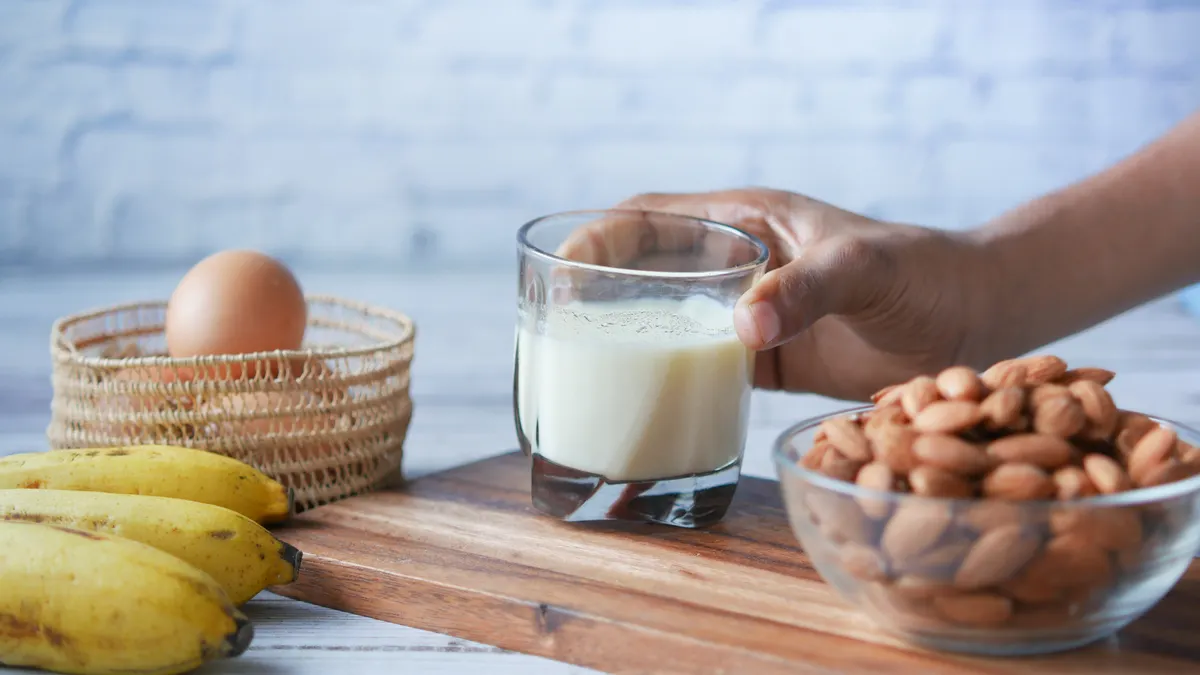
Menopause speeds up bone loss, and that is the core problem every other choice has to answer. Estrogen helps slow bone breakdown; when estrogen drops, bone resorption rises faster than bone formation, especially in the first years after the final period.
That does not mean everyone will break a hip. It does mean the average person loses bone faster after menopause than before it, and the spine, hip, and wrist are the sites that matter most. If you already have osteopenia, a small fall or a few years of ignored deficiency can matter more than any trendy “bone support” supplement.
The useful way to think about this is simple: bones need raw material, mechanical stress, and enough hormonal support to keep remodeling balanced. Nutrients provide the raw material. Walking, stair climbing, and resistance training tell the skeleton to keep some of it. Medication becomes relevant when the risk is no longer modest.
The National Institute on Aging’s menopause overview is a solid starting point: https://www.nia.nih.gov/health/menopause
One common mistake is assuming all bone loss is about calcium. It is not. Low protein intake, low vitamin D, smoking, inactivity, excessive alcohol, and certain medications can all worsen the picture. A person can take calcium perfectly and still lose bone if the rest of the plan is thin.
Which nutrients actually matter most for menopause bones?
Calcium and vitamin D matter most, but protein is the third pillar and often the one people undereat. Magnesium, vitamin K, and other micronutrients matter too, yet they are usually supporting players rather than the main event.
Calcium is the mineral skeleton is built from. The goal is usually to meet total daily needs through food first, then use a supplement only for the shortfall. For many postmenopausal adults, that total is about 1,200 mg a day, but the right amount still depends on age, diet, and medical history. The NIH Office of Dietary Supplements calcium fact sheet is a reliable reference: https://ods.od.nih.gov/factsheets/Calcium-HealthProfessional/
Vitamin D helps the gut absorb calcium and supports muscle function, which matters because weak muscles and poor balance increase fall risk. The NIH vitamin D fact sheet is here: https://ods.od.nih.gov/factsheets/VitaminD-HealthProfessional/ The standard target is often 600 to 800 IU a day, but a clinician may advise more if blood levels are low.
Protein deserves more attention than it gets. Bone is not just mineral; it sits in a collagen matrix, and muscle loss after menopause increases fall risk. If someone eats very little protein, bone support is incomplete even with decent calcium. The exact target should be individualized with a clinician or dietitian, especially if there is kidney disease. A practical food pattern can be enough: protein at each meal is usually easier to sustain than trying to “catch up” later.
Magnesium participates in bone metabolism, but it rarely rescues a weak plan by itself. Vitamin K is relevant to bone proteins, yet the evidence for routine supplementation in otherwise healthy adults is not as straightforward as the marketing suggests. A person who eats a varied diet with leafy greens, legumes, nuts, dairy or fortified alternatives, fish, and sufficient total calories often already covers most of this.
The hard truth: a calcium pill with no vitamin D, poor diet, and no exercise is a weak strategy. So is a “bone complex” powder that looks comprehensive but hides tiny doses of everything. The label can be impressive while the actual nutrient amounts are too low to matter.
How much calcium and vitamin D do you really need?

The practical answer is usually enough to reach the recommended intake, not megadoses. For many postmenopausal adults, that means aiming for about 1,200 mg of calcium per day from food and supplements combined, but exact needs vary by age, diet, and medical history. Do not assume more is better.
Food first is the better rule because it is easier on the gut and usually spreads calcium intake through the day. Dairy foods, fortified plant milks, calcium-set tofu, canned salmon with bones, and some leafy greens can do the job. A supplement is useful when food falls short, when appetite is low, or when dairy is out of the picture.
Vitamin D is trickier because sun exposure, skin pigmentation, age, geography, and season all change status. A 25-hydroxyvitamin D blood test is reasonable if deficiency is a concern, rather than guessing. Very low vitamin D can make it harder to maintain calcium balance and muscle function.
There is a downside to calcium supplements that many generic guides skip: they can cause constipation, bloating, or kidney stone concerns in some people, especially if taken in large boluses. Splitting calcium into smaller doses and staying within a clinician-guided plan helps. Another trade-off is that a supplement can create false confidence; it does not replace treatment for established osteoporosis, so a clinician should guide the plan when risk is higher.
If you want one clear recommendation: prioritize calcium from food, confirm vitamin D status if risk is real, and use supplements to fill gaps rather than to overcorrect.
What should be on a menopause bone support plan?
A real menopause bone support plan has four parts: nutrients, loading exercise, fall prevention, and risk assessment. If a product or article only talks about the first part, it is incomplete.
Nutrients:
- Calcium to meet total daily needs
- Vitamin D if intake, sun exposure, or blood level is inadequate
- Protein spread across the day
- Enough overall calories to avoid undernourishment
Exercise:
- Weight-bearing activity such as brisk walking, climbing stairs, dancing, or impact training as tolerated
- Resistance training 2 or more times per week if cleared to do so
- Balance work, because falls turn weak bone into fractures
Risk assessment:
- Family history of fractures
- Early menopause
- Long-term steroid use
- Smoking
- Very low body weight
- Prior fracture after minimal trauma
This is also where a DXA scan enters the picture. If fracture risk is elevated, the question stops being “which nutrients?” and becomes “do I also need medication?” That decision should be made with a clinician using bone density plus risk factors, not by supplement label confidence.
The limitation is obvious: nutrition cannot fully reverse established osteoporosis. It can support treatment and prevent further loss, but it is not a substitute for a fracture-prevention plan when risk is already high.
When supplements help, and when they are mostly a distraction
Supplements help when they fix a documented shortfall. They are mostly a distraction when they are sold as a shortcut around diet, exercise, and medical evaluation.
The strongest use case is a woman who eats little dairy, has limited sun exposure, and is not reliably meeting calcium or vitamin D needs from food. Another good use case is a person who cannot tolerate enough calcium-rich foods because of nausea, low appetite, or dietary restriction. In those cases, a targeted supplement can close the gap.
The weak use case is the person who already eats enough calcium-rich food, has a normal vitamin D level, and wants a “bone support” capsule as insurance. That is often unnecessary spending, and it may create the impression that no other action is needed.
A second drawback is interaction risk. Calcium can interfere with absorption of some medicines, including certain thyroid drugs and some antibiotics, so timing matters. If you take prescriptions, the supplement schedule should be checked against the medication list.
There is also a quality problem in the supplement market: labels may look scientific while actual formulations are noisy, overloaded, or underdosed. A product with a long ingredient list is not automatically better than a plain calcium and vitamin D combination with clearer dosing.
My position is direct: supplements are for filling gaps, not for replacing a full bone-health strategy.
The honest side-by-side: food-first support vs supplement-first support
Food-first support wins for most postmenopausal adults because it supplies calcium, protein, and other nutrients together, and it is less likely to overshoot or irritate the gut. Supplement-first support only wins when food intake is clearly inadequate, the person has trouble swallowing or digesting enough food, or a clinician has already identified a shortfall.
| Criteria | Food-first support | Supplement-first support | Winner for this condition |
|---|---|---|---|
| Calcium delivery | Comes with meals and is easier to spread through the day | Gives a measured dose in a capsule or tablet | Usually food-first if diet is workable |
| Protein support | Usually better because meals provide protein naturally | Often missing unless the product is specifically combined with protein | Food-first if muscle loss is a concern |
| Vitamin D correction | Limited unless fortified foods are used | Useful when a dose is needed | Supplement-first if blood levels are low |
| GI tolerance | Can be gentler, but not always if dairy is a problem | Can cause constipation or bloating | Food-first if digestion is sensitive |
| Medication timing | No separate dosing issue | Can interfere with some medicines | Food-first if the medication list is complex |
| Convenience | Requires meal planning | Easier for people with low appetite or limited diet | Supplement-first if food intake is poor |
| Risk of overdoing it | Usually lower | Higher if multiple products overlap | Food-first for long-term safety |
| Cost predictability | Depends on food choices | Depends on brand and dose | Food-first if budget matters |
| Monitoring need | Still needs clinical follow-up if risk is high | Needs even more attention to labels and labs | Food-first unless deficiency is documented |
The table points to the same conclusion: food-first support is the better default, while supplement-first support is a correction tool. A generic “bone complex” is not the answer if the real issue is low protein, no resistance training, or untreated osteoporosis. For people wanting a simpler starting point, the National Institutes of Health fact sheets above are a good benchmark before buying anything.
What a good supplement label should and should not promise
A good supplement label should be boring in the best way. It should list the exact form and amount of calcium and vitamin D, avoid pretending to treat osteoporosis, and not bury the dose behind proprietary blends.
A label should not promise to “restore bone density,” “reverse menopause,” or “replace prescription treatment.” Those claims are a red flag. Bone is remodeled slowly, and no supplement changes that biology overnight.
If calcium is present, the form matters mainly for tolerance and practical use. Some forms are better taken with meals, and some are easier to swallow or split. The important point is not branding; it is whether the dose fits your total daily intake and whether you can actually stick with it.
Another thing to check is whether the product includes iron, magnesium, or herbal extras you do not need. More ingredients are not automatically better. In a menopause context, extra iron is often unnecessary unless a clinician has said otherwise, and extra herbs can add cost without improving bone outcomes.
Look for third-party quality markers where possible, especially if you are buying online. That does not guarantee clinical benefit, but it can reduce the risk of contamination or bad manufacturing. A supplement can be well made and still be the wrong product for the job, so quality is necessary but not sufficient.
When to see a clinician instead of trying another supplement
See a clinician instead of trying another supplement if you have had a fragility fracture, already know you have osteoporosis, have early menopause, or have several risk factors at once. That is the point where the decision is no longer about support; it is about fracture prevention.
A DXA scan is worth discussing if your age, fracture history, family history, or medications raise the possibility of significant bone loss. If a scan shows low bone density, the next step may be prescription therapy, not a better multivitamin.
This is especially important if you have conditions that alter absorption or bone turnover, such as celiac disease, inflammatory bowel disease, chronic steroid use, or thyroid disease. In those cases, nutrient support may be necessary but not enough.
It is also worth asking about labs if fatigue, muscle weakness, poor appetite, or unexplained weight loss are part of the picture. Those symptoms can point to something broader than menopause alone.
The best supplement strategy fails when the real diagnosis is untreated osteoporosis. That is the line I would not cross without medical input.
The verdict: what to do first, second, and not at all
Choose food-first calcium, vitamin D awareness, and protein support if you are in prevention mode, can eat normally, and do not have known osteoporosis. Choose a targeted supplement if you are not meeting intake, have low vitamin D, or need a practical way to fill a real gap. Neither if you have a fracture history, a DXA showing osteoporosis, or several major risk factors without a clinician guiding the plan.
That is the clean decision tree. Food-first is the better default because it covers more than one need and carries fewer dosing problems. Supplement-first is a correction, not a philosophy. Medical treatment enters the picture when the risk is already high enough that nutrients alone are not a serious plan.
If you want a one-sentence rule to keep: support the skeleton with meals, movement, and the right lab-guided nutrients, then escalate to medical care when the bones are already telling you they need more than support.
What most generic menopause bone guides leave out
Most generic guides leave out the most inconvenient truth: bone health is not one supplement problem. It is a systems problem. A person can have low calcium intake, low protein, little resistance exercise, a vitamin D deficiency, and an elevated fracture risk at the same time. Fixing only one piece feels productive and still misses the outcome.
They also understate the role of muscle. Stronger muscles reduce falls, and fewer falls matter as much as denser bone. That is why a plan built around capsules alone is incomplete.
Another omission is timing. Bone changes are slow, so a supplement that “works” in the marketing sense may do little if it is taken irregularly or stopped after a few weeks. Real support is measured in months and years.
The final omission is the consultation piece. A menopause bone plan should not be built in isolation if there is a history of fractures, steroid use, very low weight, or a family pattern of osteoporosis. That is when the answer changes from “support” to “treat.”
Drafted with AI; not yet reviewed by a person.