Build a dairy-free menopause bone-health day of eating
How to build a menopause bone-health day of eating without dairy is to anchor each meal around a calcium source, a protein source, and one vitamin D food…
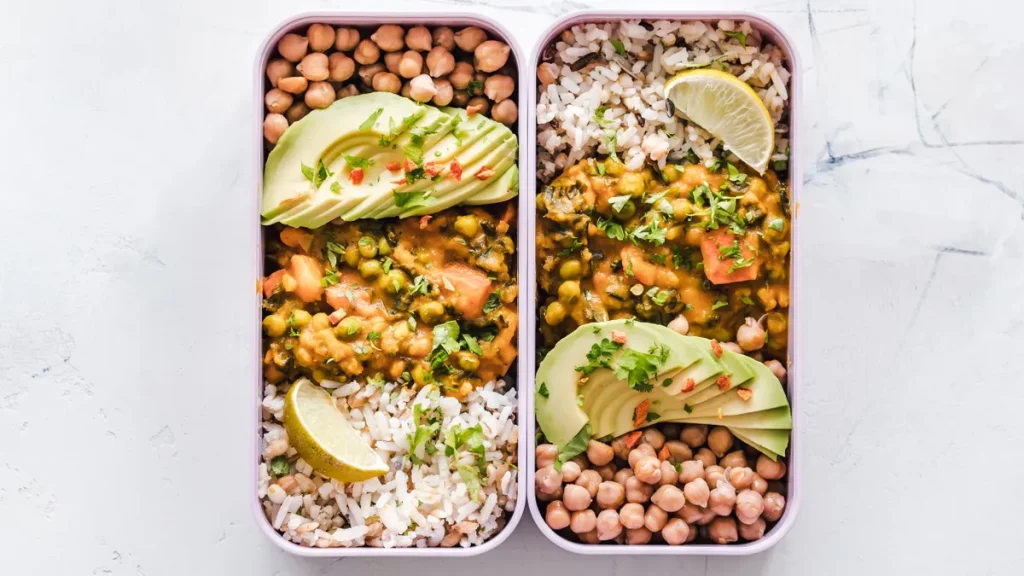
Meal-prep boxes with grains, beans, avocado, and vegetables
Last updated: October 24, 2026
In short: how to build a menopause bone-health day of eating without dairy is to anchor each meal around a calcium source, a protein source, and one vitamin D food or fortified drink, then spread those choices across breakfast, lunch, dinner, and one or two snacks so the day does not depend on a single “perfect” meal.
The one-day pattern that makes the plan work
How to build a menopause bone-health day of eating without dairy is to use a simple meal pattern, not a strict menu, and it works best when the day starts with ingredients already chosen for calcium, protein, and vitamin D. The goal is to stop treating bone support like a supplement question and turn it into a normal eating day, but check with a clinician or registered dietitian if bone loss, osteoporosis, or supplement use is already part of the picture. That matters in menopause, when bone loss risk can rise and the margin for missed nutrients gets smaller. The National Institute on Aging notes that menopause can speed bone loss, and the NIH Office of Dietary Supplements lists calcium and vitamin D as key bone nutrients.
The pattern below is the one to build first:
- Pick a fortified beverage for breakfast. Choose fortified soy milk, pea milk, or another fortified plant milk with at least one cup in the morning. Use it in oats, cereal, coffee, or a smoothie. A successful step leaves breakfast with a clear calcium base instead of plain water or juice.
- Add one solid protein at breakfast. Use tofu scramble, eggs if eaten, nut butter, soy yogurt, or beans in a breakfast wrap. The meal should feel complete, not snack-like.
- Make lunch a calcium-and-greens plate. Build it around kale, bok choy, tofu, or sardines, plus grains or starch. The plate should look like a meal, not a side salad.
- Use a protein-forward snack. Choose chia pudding, edamame, soy yogurt, or a fortified drink. The snack should bridge the afternoon without turning into cookies alone.
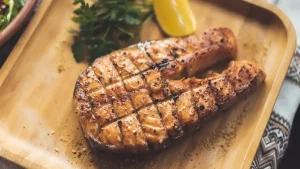
- Center dinner on fish or tofu. Salmon or sardines give vitamin D plus protein; tofu and leafy greens fill the calcium gap. Dinner should look like the most structured meal of the day.
- Repeat a fortified drink if needed. A second cup of fortified plant milk, or another fortified beverage, helps on days when food intake is lighter. The result is a full day with more than one calcium anchor.
This approach is not for someone who wants a rigid calorie target or a 7-day plan. It is for the reader who needs one day that is realistic enough to repeat tomorrow. For the broader framework around this topic, the menopause bone and nutrient support hub can sit alongside this page.
What should I buy first for a dairy-free bone-health day?
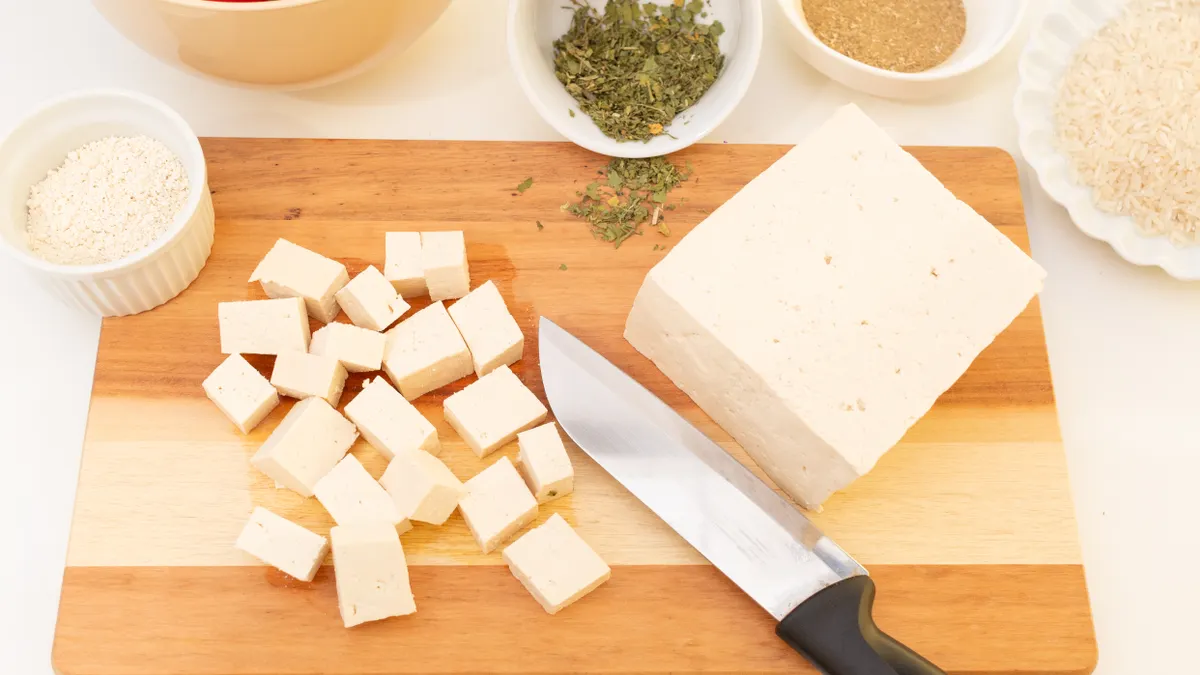
The first things to buy are one fortified plant milk, one tofu option, one leafy green, one fish or seed source, and one snack ingredient that does not need much prep. That short list covers the day without forcing a huge pantry reset. A single grocery trip can cover the skeleton of the whole menu.
Start with these items:
- Fortified plant milk: soy milk is the easiest all-purpose choice because it usually works in coffee, oats, and smoothies. Look for calcium and vitamin D on the label, since brands vary.
- Tofu: buy a firm block for scramble, stir-fry, or sheet-pan meals. Calcium-set tofu is especially useful because it can pull double duty as protein and calcium.
- Leafy greens: bok choy and kale are the strongest practical choices here because they fit lunch or dinner without much cooking time.
- Canned fish: sardines and salmon are the most convenient shelf-stable or freezer-friendly vitamin D foods in this pattern. A 3- to 4-ounce portion is an easy dinner anchor.
- Chia seeds: a small bag lasts a long time and turns into pudding, topping, or smoothie support with almost no effort.
- One fortified snack: soy yogurt, fortified ready-to-drink shakes, or a high-calcium plant yogurt can cover the gap between meals.
The trade-off is obvious: this pattern asks for labels. A dairy-free plan can look healthy and still miss calcium if the fortified drink is not actually fortified, or if tofu is not calcium-set. That is why shopping begins with the label, not the recipe photo. If a package does not list calcium and vitamin D, it should not be counted as the main support for the day.
How do I build breakfast so it actually supports bone health?
Breakfast supports bone health when it includes a fortified drink, a protein source, and one calcium-rich add-in, all in one bowl, glass, or plate. A meal that is only toast or fruit will not carry the morning well, even if it feels light and easy.
Use this structure:
- Base: 1 cup fortified plant milk in oats, cereal, or a smoothie.
- Protein: tofu scramble, soy yogurt, nut butter, or another substantial protein.
- Calcium add-in: chia seeds, fortified cereal, or leafy greens in a savory breakfast.
A few practical combinations make this easier:
- Oatmeal with fortified soy milk, chia seeds, and almond butter
- Smoothie with fortified plant milk, tofu, frozen fruit, and spinach
- Tofu scramble with kale and whole-grain toast
- Soy yogurt bowl with chia seeds and seeds or nuts
The result you want is a breakfast that does not leave you hungry at 10 a.m. A calcium-rich drink alone often fails there. So does a protein-only breakfast without a fortified beverage. The point is not to make breakfast huge; it is to make it count.
A common mistake is choosing a plant milk because it is dairy-free, then assuming it automatically works for bone support. Many plant milks are not fortified enough to matter here. Another mistake is treating smoothies like a solution when they contain fruit and ice but little protein. That gives you volume without the nutrients you came for. The fix is simple: add tofu, soy yogurt, or nut butter to make the drink behave like breakfast, not dessert. If you are unsure which products are fortified, ask a dietitian or pharmacist to help you compare labels.
How should lunch and dinner be built around calcium-rich meals?
Lunch and dinner should each include one calcium-rich food, one protein food, and one vegetable that helps the whole plate feel like real food. The easiest way to do that is to make one meal fish-based and the other tofu- or green-based, instead of trying to cram everything into a single dish. The USDA MyPlate framework also supports this kind of plate-building with protein, grains, and vegetables at the center.
Use this order:
- Choose the protein first. Pick tofu, salmon, sardines, beans, or a combo. Protein is the anchor that keeps the meal satisfying.
- Add a calcium-rich vegetable. Bok choy and kale are ideal because they fit stir-fries, soups, bowls, and sautés.
- Add a starch or grain. Brown rice, quinoa, noodles, or potatoes make the plate complete.
- Finish with a fortified drink if needed. If the meal feels light, a cup of fortified plant milk with or after the meal can fill the gap.
Good lunch ideas include:
- Tofu, bok choy, and rice bowl
- Kale salad with salmon, beans, and seeds
- Sardine toast with tomato and a side of sautéed greens
Good dinner ideas include:
- Baked salmon with roasted broccoli and quinoa
- Stir-fried tofu with bok choy and noodles
- Sardines on grain toast with a warm kale side
These are strong lunch ideas because they cover protein, vegetables, and grains in one plate. The honest limitation is that they are not always cheap or quick in the same week. Fresh salmon can cost more than canned sardines, and leafy greens need planning before they wilt. That is why the better habit is to keep one shelf-stable fish and one shelf-stable plant protein in rotation. Sardines in a can, tofu in the fridge, and frozen kale or bok choy can keep the pattern alive when groceries run low.
Where do vitamin D foods fit if I do not eat dairy?
Vitamin D foods fit best at dinner, because salmon and sardines are easiest to use as the main protein in an evening meal. That does not mean breakfast must ignore vitamin D completely; it means the day should contain at least one intentional vitamin D food, then a fortified beverage if the pattern needs reinforcement. The NIH Office of Dietary Supplements says vitamin D can come from food, fortified foods, and sunlight, but not every food day will cover the full need.
The most practical choices in this dairy-free day are:
- Salmon: use it for lunch bowls or dinner plates.
- Sardines: use them on toast, in pasta, or beside greens.
- Fortified plant milk: use it in coffee, tea, oats, or smoothies.
- Fortified plant yogurt or drink: use it as a snack or breakfast component if the label lists vitamin D.
A useful structure is one fish meal plus one fortified beverage. That way the day does not depend on one item carrying everything. If fish is not on the menu, fortified foods matter more, and the label matters more too.
The limitation here is that food alone may still not meet every person’s vitamin D needs, especially with low sun exposure, darker skin, older age, or very limited fish intake. That is a conversation for a clinician, pharmacist, or dietitian, not a guess at the kitchen counter. This page is about building the eating pattern, not prescribing a supplement dose.
If a reader wants the mechanics of choosing foods, the NIH Office of Dietary Supplements has a vitamin D fact sheet that explains sources and food patterns in plain language, and the Academy of Nutrition and Dietetics has practical guidance on calcium-rich eating patterns without dairy.
How do snacks help the day hold together?
Snacks help the day hold together by preventing the long gap between lunch and dinner from becoming a nutrition dead zone. A good snack in this pattern is not random grazing; it is a small, planned feeding that adds calcium, protein, or both. The Academy of Nutrition and Dietetics notes that snacks can help people spread intake across the day, which is useful when meals are smaller.
Use one of these 2-ingredient or 3-ingredient options:
- Chia pudding made with fortified plant milk
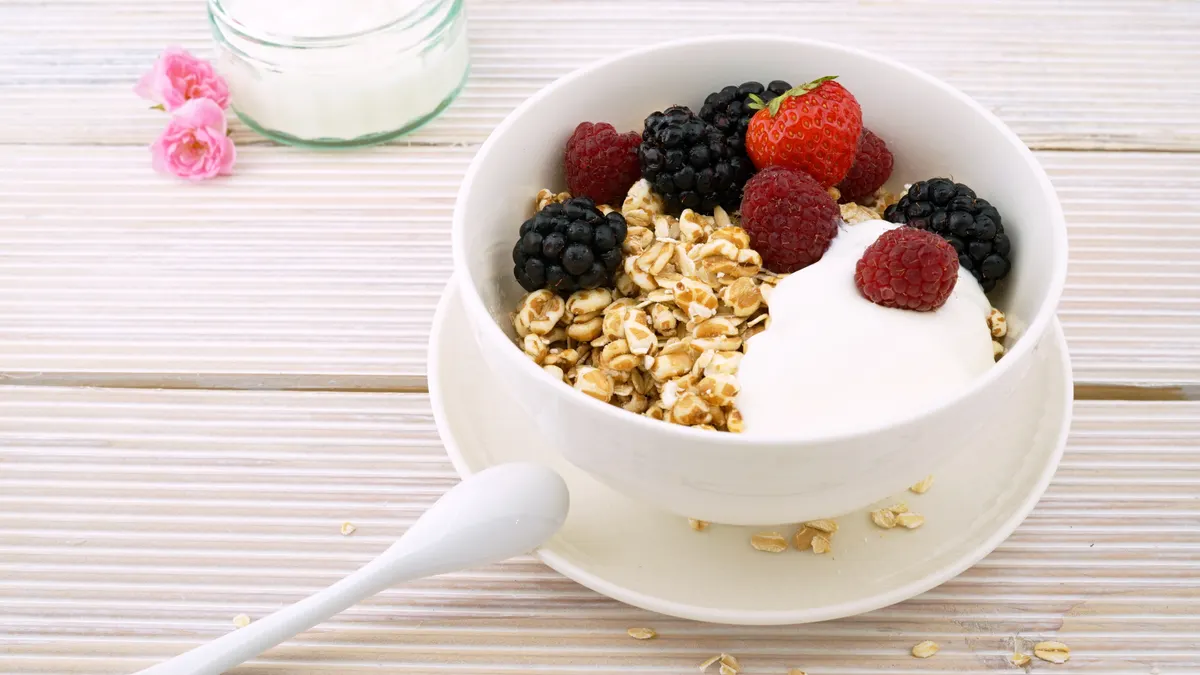
- Soy yogurt with chia seeds
- Fortified ready-to-drink shake plus a handful of nuts
- Edamame with fruit
- Hummus with crackers and sesame-based dip
A snack should solve a specific problem. If lunch was light, choose a snack with more protein. If breakfast had no fortified beverage, choose one that includes it. If the afternoon crash is the issue, a snack that combines protein and fiber usually works better than fruit alone.
The mistake to avoid is turning snacks into “health food fragments” that never quite add up. A handful of seeds, a single rice cake, or plain fruit does not do much here unless it is paired with something more substantial. That is the cost of underbuilding snacks: dinner hunger gets louder, and dinner often becomes too large or too random.
A better rule is this: if the snack needs to hold a place in the day, make it count as part of the day. A cup of fortified soy milk plus chia seeds is a snack with a job. A plain granola bar is just a snack with a label.
What is the easiest way to turn this into a repeatable day?
The easiest way to repeat this day is to pre-plan one breakfast, one lunch, one dinner, and two backup snacks before the day starts. The pattern fails when every meal requires a new decision. It works when the food is already matched to the role it has to play.
A repeatable template looks like this:
- Breakfast: oats made with fortified soy milk, chia seeds, and nut butter
- Lunch: tofu with bok choy and rice
- Snack: soy yogurt or a fortified drink
- Dinner: salmon or sardines with kale and potatoes
- Backup snack: edamame or another fortified beverage
Keep the parts flexible, not the structure. Swap bok choy for kale, salmon for sardines, oats for a smoothie, or rice for quinoa. The day still works as long as each meal keeps its job.
Because the pattern is built meal by meal, it is easier to repeat after grocery shopping and easier to pack for work. It is also easier to adjust after a long day, which matters when appetite is lower. This is not the right approach for someone who wants a full medical nutrition plan after a bone scan or a diagnosis like osteoporosis. It is a practical food pattern, not a treatment plan, so check with a clinician or registered dietitian if you need a personal prescription for calcium, vitamin D, or protein. It also does not suit someone who hates fortified drinks and refuses fish, because that makes the day much harder to build without dairy.
The win here is consistency. A day built this way is easier to shop for, easier to pack, and easier to repeat than a loose list of “bone-healthy foods.” That is why it belongs in real life.
Key takeaways
- Build the day around three anchors: calcium, protein, and vitamin D.
- Use fortified plant milk early, not as an afterthought.
- Make tofu, salmon, sardines, bok choy, kale, and chia seeds do specific jobs.
- Put protein in every meal so the day does not depend on dinner.
- Use snacks to bridge gaps, not to replace meals.
- Check labels on plant milks and yogurts; dairy-free does not automatically mean bone-supportive.
What foods give the most calcium without dairy?
Fortified plant milks, calcium-set tofu, bok choy, kale, chia seeds, and some fortified plant yogurts are the most practical calcium sources in a dairy-free pattern. The strongest choice depends on the label and the portion. Fortified beverages are easy to use daily, while tofu and leafy greens help meals feel like meals.
How much protein should be in each meal for bone health?
Each meal should include a clear protein source, such as tofu, salmon, sardines, beans, soy yogurt, or nut butter. A practical way to think about it is “protein at breakfast, lunch, and dinner,” with a protein-containing snack if the gap between meals is long. A dietitian can tailor the amount to body size and health goals.
Can you meet calcium needs on a dairy-free diet?
Yes, many people can meet calcium needs without dairy if they rely on fortified plant milk, calcium-set tofu, leafy greens, seeds, and other fortified foods across the whole day. The hard part is consistency, not possibility. If bone health is a concern, a clinician or registered dietitian can help check whether the pattern is enough.
Drafted with AI; not yet reviewed by a person.