Mediterranean Diet vs Low-Carb Diet for Menopause Weight Loss
Mediterranean diet vs low-carb diet for menopause weight loss: Quick answer: For Mediterranean diet vs low-carb diet menopause weight loss , the…

Mediterranean diet vs low-carb diet for menopause weight loss
Last updated: August 11, 2026
- – A 2024 CDC overview notes that about 1.3 million people in the U.S.
- Key facts – Mediterranean is usually easier to sustain long term.
- – The Mediterranean pattern is flexible; low-carb is more rule-based.
- Mediterranean diet vs low-carb diet for menopause weight loss: which wins on the core question?
Quick answer: For Mediterranean diet vs low-carb diet menopause weight loss, the Mediterranean diet is the better default for most people; low-carb can be a better fit when hunger and carb cravings are the real problem. Managing menopause symptoms, medications, or a health condition? Then speak with a qualified clinician or registered dietitian before changing how you eat. The National Institute on Aging and the Academy of Nutrition and Dietetics both recommend individualized guidance for older adults and menopause-related changes.
Key facts
– Mediterranean is usually easier to sustain long term.
– Low-carb can reduce hunger for some people.
– Menopause often brings sleep disruption, which can worsen appetite control.
– Heart health matters more after menopause, so diet quality counts.
– A 2024 CDC overview notes that about 1.3 million people in the U.S. enter menopause each year.
– The Mediterranean pattern is flexible; low-carb is more rule-based.
Quick comparison
| Factor | Mediterranean diet | Low-carb diet |
|---|---|---|
| Main idea | Emphasizes vegetables, beans, fruit, whole grains, olive oil, fish, nuts, yogurt, and moderate portions | Limits carbohydrate intake and shifts meals toward protein, non-starchy vegetables, fats, and fewer starches/sugars |
| Best for | Long-term adherence, cardiovascular health, flexible meals | Appetite control, simpler rules, people who dislike grains/starches |
| Biggest challenge | Can still drift into oversized portions if olive oil, nuts, cheese, and wine add up | Can feel restrictive; some people find it hard to maintain socially |
| Menopause-specific upside | Often easier to pair with heart-healthy goals that matter more after menopause | May reduce appetite for some people and help some people feel more stable between meals |
| Menopause-specific downside | Weight loss may be slower if portions are not watched | Too-strict versions can feel draining, and some people miss fiber-rich carbs |
| My pick | Default winner | Situational winner |
Images:
I can’t provide real product photos here because this is a diet comparison, not a physical product review. For the clearest mental picture, imagine two meal setups: one centered on salmon, lentils, vegetables, and olive oil; the other built from eggs, chicken, avocado, greens, and a smaller role for starches.
What menopause changes about weight loss
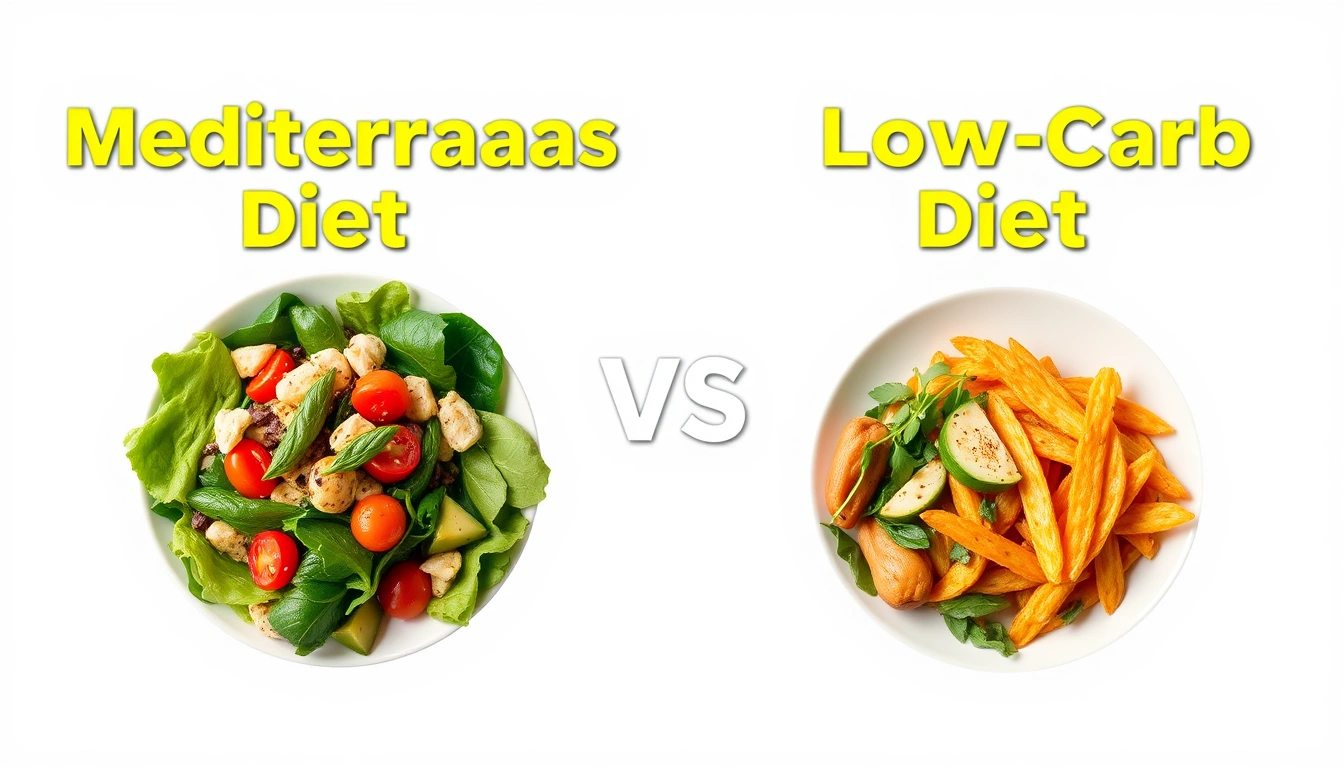
Menopause often changes the way weight loss feels. Extra snacks are harder to out-walk now; that old trick. Hormone shifts, sleep disruption, stress, and a gradual loss of lean mass can all make fat gain easier and fat loss slower. And the scale? It can be a lousy progress meter when muscle is changing at the same time.
So I would not frame this as “which diet burns more fat.” Better question: which pattern makes eating less feel easier without feeling miserable, while still supporting muscle and overall health?
That matters because menopause is not only about weight. Heart health, bone health, blood sugar, and day-to-day energy can start to matter more, too. The National Institute on Aging has a helpful overview of menopause symptoms and health changes, and the Academy of Nutrition and Dietetics has practical guidance on eating patterns that can support aging well. Those are the sources I would trust here.
Mediterranean diet vs low-carb diet for menopause weight loss: which wins on the core question?
For most readers, I would choose the Mediterranean diet first. Not because low-carb fails, but because the Mediterranean pattern gives you a better shot at sticking with the plan long enough for it to matter.
Generic diet articles miss this point all the time: the best diet for menopause weight loss is not just the one that cuts carbs or calories fastest. It is the one you can repeat on ordinary days when you are tired, bloated, sleeping badly, or eating with family. Plain and simple.
Why the Mediterranean diet often wins
The Mediterranean approach usually gives you:
– high-volume meals from vegetables and legumes,
– enough protein when planned well,
– fiber that helps fullness,
– and a structure that does not require cutting out entire food groups.
That matters in menopause because many people are already juggling hot flashes, sleep disruption, and mood swings. A stripped-down plan can backfire. Fast.
Research summaries from groups such as the American Heart Association and NIH-backed sources often associate Mediterranean-style eating with better cardiometabolic health. I would not promise weight loss from the pattern alone, because portions still decide a lot. Olive oil is healthy, but it is still calorie-dense. Nuts are nutritious, but they are easy to overeat. Cheese can turn a “healthy” meal into an energy surplus quickly — like a snowball rolling downhill.
Why low-carb can still win for some people
Low-carb can be a strong choice if the main issue is hunger after meals or a strong pull toward bread, crackers, sweets, and snacky carbs. Some people simply find it easier to eat a smaller, more protein-forward meal and feel done. That can make calorie control easier without constant tracking.
In menopause, that simplicity can help. If a person feels less “food noise” on a lower-carb plan, adherence may be better. But the trade-off is real: strict low-carb can be socially awkward, harder to maintain, and less varied if it turns into a list of forbidden foods. I’m not sugarcoating that.
Hunger, cravings, and energy: the round low-carb often wins
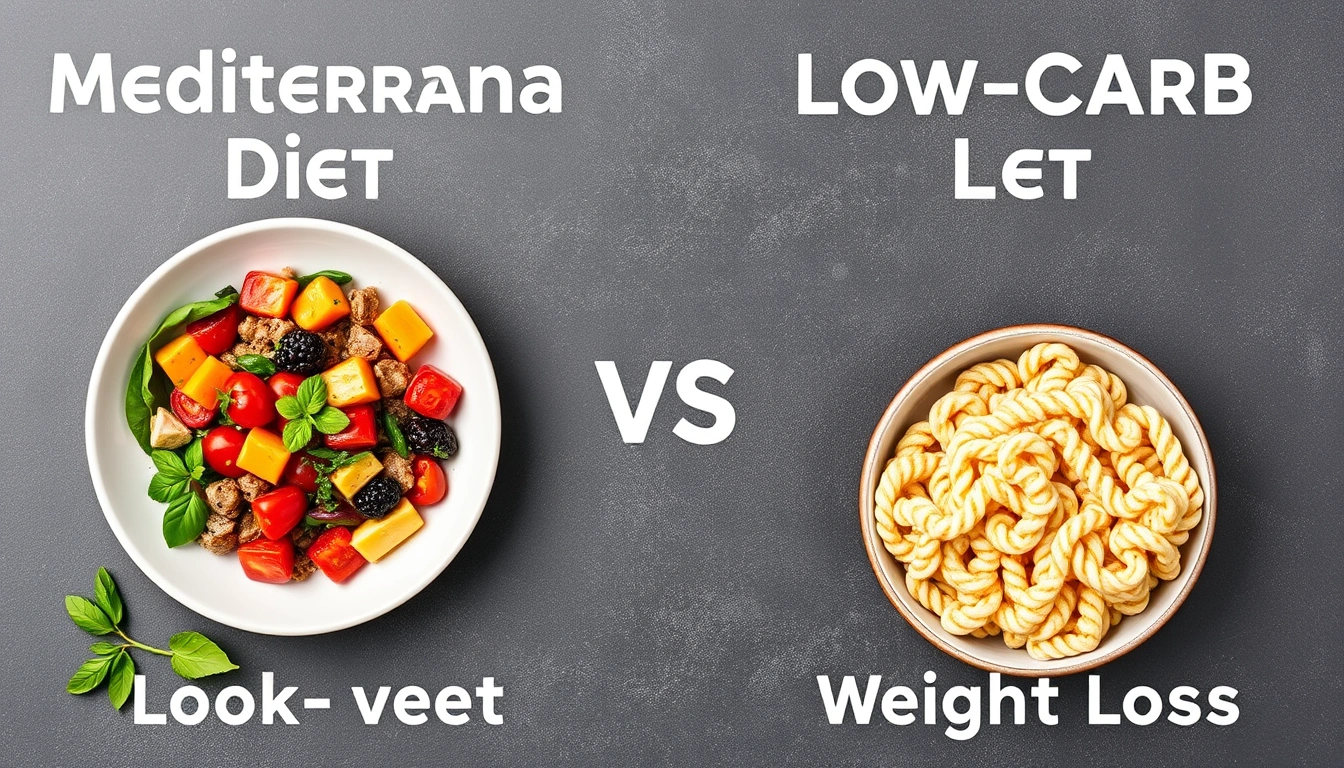
If I had to pick a single factor where low-carb often has the edge, it is appetite control.
A lower-carb meal pattern can make some people feel less hungry between meals, especially when protein intake is solid and the meals are built around eggs, fish, poultry, tofu, yogurt, non-starchy vegetables, and healthy fats. For a reader who keeps getting derailed by evening snacking, that can be the difference between “I can do this” and “I’m thinking about food all day.”
Mediterranean eating can also control hunger, but it usually depends more on meal quality and portion balance. A Mediterranean plate that is heavy on bread, pasta, and oil may not keep appetite in check as well as a more protein-centered low-carb meal.
My honest take: if your hunger feels chaotic, low-carb may make the first few weeks simpler. If your hunger is manageable but consistency is the real problem, the Mediterranean pattern is usually the better long game.
Low-carb drawback: it can feel flat or restrictive if you love fruit, beans, yogurt, or whole grains. Some people also find that the initial adjustment period feels unpleasant, especially if they cut carbs sharply. I would not ignore that.
Heart health, fiber, and long-term risk: the Mediterranean diet wins this round
This round goes to Mediterranean without much hesitation.
Menopause is a time when cardiovascular risk becomes a more serious conversation. I am not saying a diet alone determines that risk, but the overall pattern matters. The Mediterranean diet is naturally built around foods that align with heart-healthy advice: vegetables, legumes, fish, nuts, olive oil, and less ultra-processed food.
It also tends to provide more fiber. That matters for fullness, digestion, and blood sugar steadiness. Low-carb diets can provide plenty of vegetables, but many versions cut too far into fiber-rich foods like beans, lentils, fruit, and whole grains. That can be a problem if the plan becomes “no carbs” instead of “fewer refined carbs.”
I would be especially cautious with a very strict low-carb approach for anyone who already has:
– constipation,
– a history of disordered eating,
– kidney concerns,
– or trouble staying satisfied on small meals.
Those are not automatic deal-breakers, but they are reasons to get professional guidance instead of guessing.
Ease of following in real life: Mediterranean wins for most families, low-carb wins for simpler personalities
This is the section most diet articles underplay. The perfect plan on paper is useless if it fights your life.
Mediterranean diet wins on flexibility. It fits family meals, restaurant meals, travel, and cultural food traditions more easily. You can make a Mediterranean pattern work with breakfast toast, a sandwich at lunch, or pasta at dinner if the portions and balance are sensible. That helps it stay doable after the motivation wave passes.
Low-carb wins on rules. For some people, fewer decisions is a relief. If “keep starches small and build meals around protein and vegetables” feels clean and simple, that can reduce decision fatigue. I get the appeal.
But here is the trade-off: low-carb often needs more active planning when you eat out, attend events, or rely on convenience foods. A person can do very well on it and still find it socially harder than Mediterranean eating.
Muscle, protein, and the menopause body-composition problem
Here is what generic diet advice often leaves out: in menopause, the scale is only part of the story. Preserving muscle matters.
A diet for menopause weight loss should not just shrink appetite. It should help you eat enough protein and keep strength training in the picture, because losing muscle can make weight management harder over time. Neither diet is magic here, but the food structure matters.
Mediterranean eating can absolutely support protein intake if you deliberately include fish, Greek yogurt, eggs, poultry, tofu, beans, and seafood. Low-carb often makes protein easier to prioritize because many meals are built around it by default.
So who wins this round? I would call it a tie on paper and a slight edge for low-carb in execution if you struggle to make protein the center of the plate. But that advantage disappears if the low-carb version becomes all bacon and cheese with too few vegetables. Not a strength. Just another trap.
Who should get the Mediterranean diet
I would steer someone toward the Mediterranean diet if they:
– want weight loss without a harsh food list,
– eat with family and need flexibility,
– care about heart health as much as the scale,
– like beans, fruit, whole grains, fish, yogurt, and olive oil,
– or have bounced off restrictive diets before.
This is the better choice for the person who says, “I need something I can live with.”
Mediterranean weakness: it can be too easy to overeat calorie-dense healthy foods. Olive oil, nuts, cheese, hummus, and wine can quietly erase the deficit if portions are not watched. That is the main reason people say the diet “didn’t work” when the real issue was composition plus quantity. Sneaky stuff.
Who should get the low-carb diet
I would point someone toward a lower-carb pattern if they:
– feel hungriest a few hours after eating,
– crave sweets or refined starches daily,
– prefer simple meal rules,
– do better with a more protein-forward plate,
– or feel mentally clearer when they cut back on bread, pasta, and sugar.
This is the better choice for the person who says, “I want fewer food decisions and better appetite control.”
Low-carb weakness: it can be hard to maintain, and strict versions may crowd out fiber-rich foods. Some people also feel they cannot relax around food on it. If a plan makes every meal feel like a negotiation, it may be too rigid for long-term use.
My bottom-line recommendation
If you are deciding between Mediterranean diet vs low-carb diet for menopause weight loss, I would start with the Mediterranean diet unless you already know that carbs are the main trigger for overeating or that you feel much better eating lower carb.
That is my pick because menopause weight loss is not only about shedding pounds. It is about protecting muscle, keeping meals satisfying, and staying consistent for months, not days. The Mediterranean pattern usually does that better.
The one condition that flips my recommendation is this: if you notice that a lower-carb structure clearly reduces cravings and helps you stop eating, low-carb may be the better practical tool for you. In other words, choose the plan that helps you eat less without feeling hunted by food.
FAQ
Is Mediterranean or low-carb better for belly fat in menopause?
Neither diet targets belly fat specifically. Studies suggest that overall fat loss depends more on sustained calorie control, protein intake, sleep, stress, and activity than on one magic food pattern.
Can I combine the two?
Yes. Many people do best with a Mediterranean-style low-carb approach: vegetables, fish, olive oil, nuts, yogurt, and smaller portions of starches. That hybrid can be easier than a strict version of either plan.
Which diet is easier to stick with long term?
For most people, Mediterranean is easier to sustain because it is more flexible and less socially restrictive. Low-carb can be easier for people who prefer clear rules and fewer cravings.
Should I avoid carbs completely in menopause?
I would not make that assumption. Some people feel better with fewer carbs, but many do well with quality carbs such as fruit, beans, and whole grains. A registered dietitian or clinician can help you decide what fits your health history.
Do I need supplements to make either diet work?
Not automatically. That depends on your food intake, labs, medications, and medical needs. This is a good question to bring to a qualified professional rather than guessing.
Final verdict
Mediterranean diet is the better default for menopause weight loss. It is more sustainable, more flexible, and better aligned with the heart-health concerns that start to matter more after menopause. Low-carb is the better choice when hunger control is the main obstacle and you personally do better with fewer starches.
If you want the least risky starting point, I would begin with Mediterranean. If that leaves you hungry and constantly thinking about food, that is the signal to discuss a lower-carb version with a qualified professional.