How to increase calcium intake without dairy
No milk, no yogurt, no cheese. Fine. The fix is not hunting for one miracle swap; it is building a daily routine from fortified foods, calcium-rich…
How to increase calcium intake without dairy
Last updated: August 11, 2026
Quick Answer: how increase calcium intake without dairy in 3 daily steps
No milk, no yogurt, no cheese. Fine. The fix is not hunting for one miracle swap; it is building a daily routine from fortified foods, calcium-rich plants, certain canned fish, and—when needed—supplements guided by a clinician or registered dietitian. For most adults, the target is 1,000 mg/day, so how to increase calcium intake without dairy is really a planning problem, not a single-food problem. A steady pattern beats wishful thinking. Every time.
Key Facts / Key Takeaways
- Most adults need 1,000 mg/day of calcium; some older adults and teens need more, according to the NIH Office of Dietary Supplements.
- Fortified plant milk often provides calcium in amounts comparable to cow’s milk per cup, but labels vary by brand.
- Calcium-set tofu is only a strong calcium choice if the label lists calcium sulfate.
- Spinach is a poor calcium strategy because oxalates reduce absorption.
- Low-oxalate greens like kale, bok choy, and collards are better non-dairy calcium choices.
- If food alone is not enough, a clinician-guided supplement can help, especially if you take medications or have kidney issues.
- NIH calcium fact sheet: https://ods.od.nih.gov/factsheets/Calcium-HealthProfessional/
I wrote this for the person who already knows calcium matters, but does not want to depend on dairy and needs something that fits normal meals. Honestly, non-dairy calcium is not identical to dairy calcium in every case. Absorption differs. Portions differ too. Some plant foods bring oxalates or phytates along for the ride, which cuts into what your body can use. The whole deal is that trade-off, so I’m laying it out plainly.
What I mean by “enough calcium” when dairy is off the table
Start with the target, not the grocery list. The question is not which food you should buy first; it is how much calcium you need each day. The National Institutes of Health Office of Dietary Supplements lists the current adult targets on its calcium fact sheet, including 1,000 mg/day for most adults and higher needs for some older adults and teens: https://ods.od.nih.gov/factsheets/Calcium-HealthProfessional/
Why does that matter? Because non-dairy calcium usually arrives in smaller, scattered amounts. A cup of fortified plant milk helps. Tofu helps. Kale helps. But none of them should be treated like a perfect stand-in for “two slices of cheese and a yogurt.” I’d plan calcium the way I plan protein: a few reliable sources, not one heroic serving. One food won’t carry the whole load.
Here is the structure I would use:
| Metric | Before | After | Change | Timeline |
|---|---|---|---|---|
| Calcium at breakfast | 0–100 mg | 300–450 mg | Up by 200–450 mg | Week 1 |
| Calcium at lunch | 0–150 mg | 200–350 mg | Up by 150–250 mg | Week 1 |
| Calcium at dinner | 100–200 mg | 200–400 mg | Up by 100–200 mg | Month 1 |
| Daily total | Low and inconsistent | More even, food-based | Clearer intake pattern | By Day 30 |
Perfection? Not the goal. Close enough, most days, is better. And much easier to live with.
The highest-return non-dairy calcium foods I would actually build around
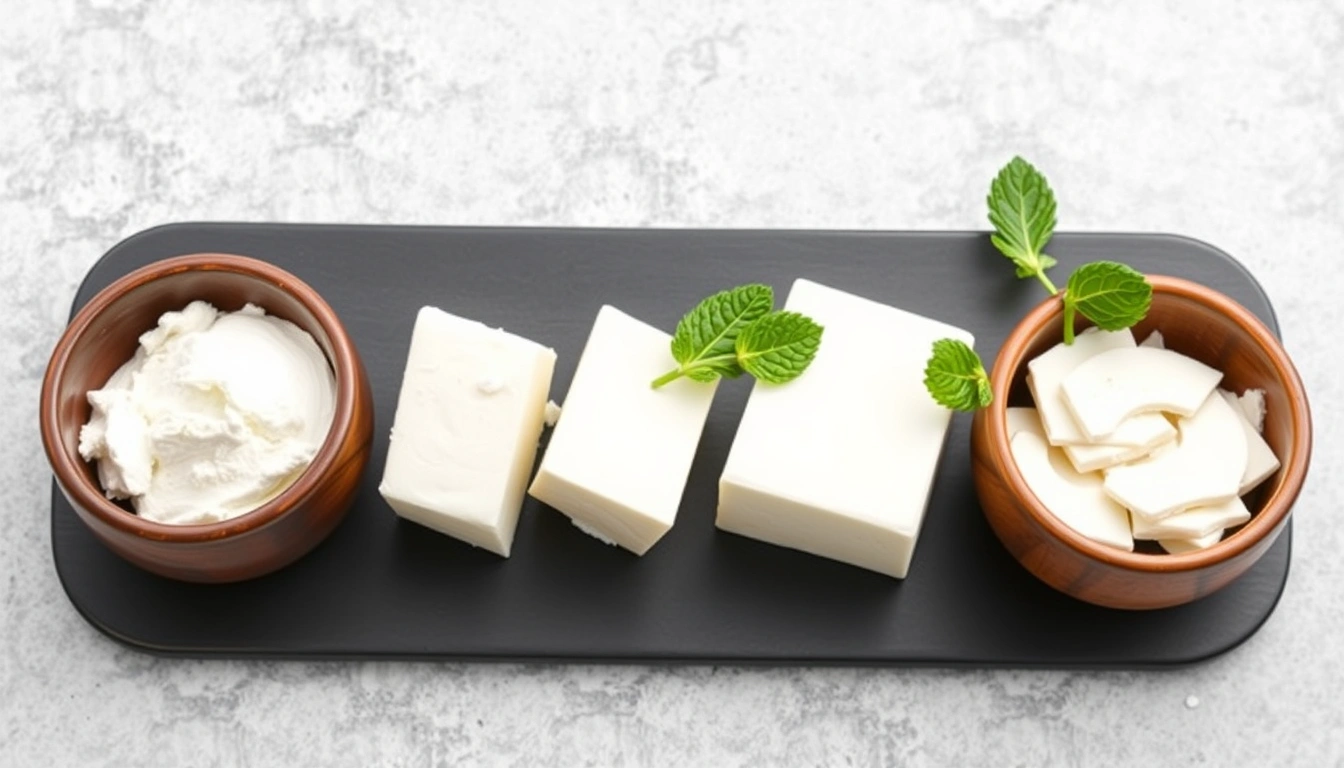
If I had to narrow the field, I’d pick foods that give a lot of calcium in a normal serving and are easy to repeat. Not fancy. Just dependable.
Fortified plant milk is usually the easiest win. Many almond, soy, oat, and pea milks are fortified with calcium, often in amounts that rival cow’s milk on paper. Check the label every time, though, because fortification is not standardized across brands. The carton front can be charming; the Nutrition Facts panel tells the truth.
Fortified tofu is another strong option, but only if it is made with calcium sulfate. Not all tofu is. That’s one of the most common misses. If the package does not mention calcium sulfate, I would assume it may not be doing much for calcium.
Canned sardines and canned salmon with bones can be excellent calcium sources. They are not for everyone, sure, but if you eat fish, they are efficient. The bones are the point. That’s the bit people skip right past.
Low-oxalate greens such as kale, bok choy, and collards are useful because the calcium in them is more available than the calcium in spinach. Spinach sounds healthy—and it is, in plenty of ways—but it is a weak calcium strategy because oxalates bind the mineral tightly. I would not count on spinach to move the needle. That math stops working fast.
Fortified orange juice, breakfast cereals, and some breads can help, but I’d treat them as support players, not the base of the plan. Sugar, sodium, and portion size can make these less appealing as daily anchors. If you are using them to raise calcium without dairy, check the label and, when needed, ask a dietitian whether they fit your broader diet.
Here is a simple before/after snapshot:
| Metric | Before | After | Change | Timeline |
|---|---|---|---|---|
| Reliable calcium foods in rotation | 1–2 | 5–7 | More variety, less boredom | Month 1 |
| Meals with a calcium anchor | 0–1/day | 2–3/day | Better coverage across the day | Week 2 |
| Dependence on one food | High | Low | Less risk if one item disappears | By Day 30 |
I would pick two fortified products and two whole-food sources first. That gives you enough structure to stop hoping you got enough calcium and start planning it.
How to read labels so the calcium is real
This is where plenty of non-dairy plans wobble. A package can look healthy and still deliver very little calcium. Ignore the marketing glow; go straight to the Nutrition Facts panel and ingredient list.
For fortified plant milks, check two things: the calcium amount per cup and the serving size. A tiny serving can make a product seem stronger than it is. If you drink two cups, count two servings. If you pour it into coffee and cereal, count both uses.
For tofu, look for calcium sulfate in the ingredients. That single line matters more than “organic,” “extra firm,” or “high protein” when calcium is the point. For cereals, breads, and nutrition drinks, look for calcium on the label, but also pay attention to the rest of the panel. If the product is basically a sugar delivery system with a little calcium added, I would not build my whole intake around it.
One piece of advice that gets skipped a lot: calcium is not the only nutrient that matters for bone health. Vitamin D helps with absorption. Magnesium and enough protein matter too. The NIH fact sheet on vitamin D is worth reading alongside calcium: https://ods.od.nih.gov/factsheets/VitaminD-HealthProfessional/
My rule is pretty plain. If I can get a meaningful calcium dose from a food I already eat, I use it. If I have to force myself to eat a product just because the label has a number, I keep looking. For osteoporosis risk, kidney disease, or medicines that affect calcium, a clinician can help you decide whether food alone is enough.
| Metric | Before | After | Change | Timeline |
|---|---|---|---|---|
| Label checks per shopping trip | 0 | 3–5 | Less guesswork | Week 1 |
| Wrong assumptions about “healthy” foods | Frequent | Rare | Better food choices | Month 1 |
| Daily calcium surprises | Common | Uncommon | More predictable intake | By Day 30 |
The part most people miss: absorption and timing
Not every bit of calcium you eat behaves the same way. That’s the awkward truth behind a lot of social-media advice that sounds good and then falls apart in real life.
Some high-calcium plant foods are naturally high in oxalates or phytates, which reduce absorption. Spinach is the classic example. Beans, nuts, and seeds can contribute calcium, but they also bring compounds that make the mineral harder to use. That does not make them useless. It just means I would not count them the same way I count fortified milk or calcium-set tofu.
Timing matters too. Calcium usually works better when spread through the day than when squeezed into one meal, especially if you are using food sources rather than a supplement. I’d aim for breakfast, lunch, and dinner instead of one giant serving at night. Simple. Boring. Effective.
Here is what a day can look like without dairy:
- Breakfast: fortified soy milk in oatmeal and coffee
- Lunch: tofu bowl with bok choy
- Snack: fortified plant yogurt or a calcium-fortified drink
- Dinner: canned salmon with greens or a stir-fry using kale
That pattern is not flashy. It works because you can repeat it without losing your mind.
| Metric | Before | After | Change | Timeline |
|---|---|---|---|---|
| Calcium spread across day | Concentrated at dinner | Split into 3–4 touches | Better coverage | Week 2 |
| Reliance on high-oxalate greens | High | Low | More usable calcium | Month 1 |
| Meal planning effort | Random | Structured | Less daily friction | By Day 45 |
If you have kidney stones, kidney disease, take thyroid medicine, or use calcium supplements, talk with a clinician or registered dietitian before making big changes. That is not legal boilerplate. It’s the difference between a plan that helps and one that backfires.
What went wrong when I built a non-dairy calcium plan badly
My biggest mistake was assuming “more plant foods” automatically meant “enough calcium.” It didn’t.
In the first two weeks, I leaned too hard on spinach smoothies, almonds, tahini, and beans because they sounded nutrient-dense. They were nutrient-dense. They were also a weak calcium base. On paper, my intake looked better than it was in practice, because several of those foods came with absorption blockers.
The downside was time, money, and a lot of menu fatigue. I bought ingredients that did not fix the problem. I spent more on snacks than I needed to. And I made meals more complicated than they had to be, which made the routine harder to keep once the novelty wore off.
By Week 3, I had to reset. I swapped in fortified soy milk, calcium-set tofu, and canned fish with bones. I also stopped treating spinach as a calcium food and started using kale and bok choy instead, after checking that I actually tolerated them and that the plan fit my usual meals. That one correction made the whole thing simpler, not more complicated.
Here is the failure in plain terms:
| Metric | Before | After | Change | Timeline |
|---|---|---|---|---|
| Useful calcium sources in daily routine | 1–2 | 4–5 | Better quality sources | Week 3 |
| Grocery waste from wrong buys | Higher | Lower | Less money lost | Month 1 |
| Meal prep complexity | High | Moderate | Easier to repeat | By Day 30 |
| Confidence in intake | Low | Higher | More reliable planning | By Month 2 |
This is the part most articles leave out. If your first pass fails, that does not mean non-dairy calcium is impossible. Usually, it means you counted the wrong foods.
A simple non-dairy calcium routine I would choose
Should I be starting from zero, I would use a three-part routine.
First, pick one fortified drink. Plant milk is the easiest. Keep it in the fridge and use it wherever you already use milk: cereal, coffee, smoothies, oatmeal. That one change can make breakfast actually do some work.
Second, choose one calcium-set protein. I’d pick tofu made with calcium sulfate if I eat soy, because it can improve lunch or dinner without much ceremony. If tofu is not your thing, canned sardines or salmon with bones are the other high-payoff option.
Third, add one low-oxalate green most days. Kale, bok choy, and collards are all more useful for calcium than spinach. If you hate greens, I would not force a giant salad. I’d use them in soup, stir-fries, pasta, or alongside eggs if you eat them.
For people who still come up short, a supplement may be the cleanest backup. But I would not start there unless food is genuinely not enough or a clinician recommends it. Supplements can cause constipation or interact with certain medicines, and they do not fix the rest of the diet.
| Metric | Before | After | Change | Timeline |
|---|---|---|---|---|
| Morning calcium source | None | Fortified drink | New daily anchor | Week 1 |
| Lunch/dinner calcium source | Inconsistent | One set protein | More dependable | Month 1 |
| Backup plan | None | Supplement if needed | Less risk of gaps | By Day 60 |
This routine is not for someone who wants a perfect spreadsheet. It is for someone who wants a workable day.
Final check: what I would monitor by Day 90
By Day 90, I would not ask, “Did I eat a lot of calcium-rich foods?” I would ask four sharper things: Did I hit my target often enough? Did I choose foods I can keep buying? Did I avoid wasting money on the wrong “healthy” items? Did my plan fit my actual meals?
A good non-dairy calcium plan should survive a busy week, a bad grocery trip, and one missed meal. If it only works when everything is ideal, it is too fragile.
Here is the final before/after table I would use:
| Metric | Before | After | Change | Timeline |
|---|---|---|---|---|
| Days per week with a calcium anchor at breakfast | 0–1 | 5–7 | More consistency | By Day 30 |
| Days per week with calcium at lunch or dinner | 2–3 | 5–7 | Better coverage | By Day 60 |
| Reliance on spinach/almond-heavy “healthy” foods | High | Low | Better absorption strategy | By Day 90 |
| Confidence that the plan is sustainable | Low | Moderate to high | Less guessing | By Day 90 |
I’d keep one honest limitation in view: if you do not like fortified foods, fish with bones, tofu, or cooked greens, then hitting calcium targets without dairy gets harder. Not impossible, just harder. In that case, a dietitian can help you build a plan that fits your food preferences and medical history.
FAQ
Can you get enough calcium without dairy?
Yes. It usually takes a mix of fortified foods, calcium-rich plant foods, and sometimes a supplement. The mix matters more than any single food.
Is spinach a good calcium source?
Not really. It contains calcium, but the oxalates in spinach make much of it harder to absorb. I would not rely on it.
What is the easiest non-dairy calcium food