Best Drinks to Support Menopause Appetite Between Meals
The best drinks to support menopause appetite between meals are low-sugar, low-calorie drinks that create a sense of fullness without turning into a…

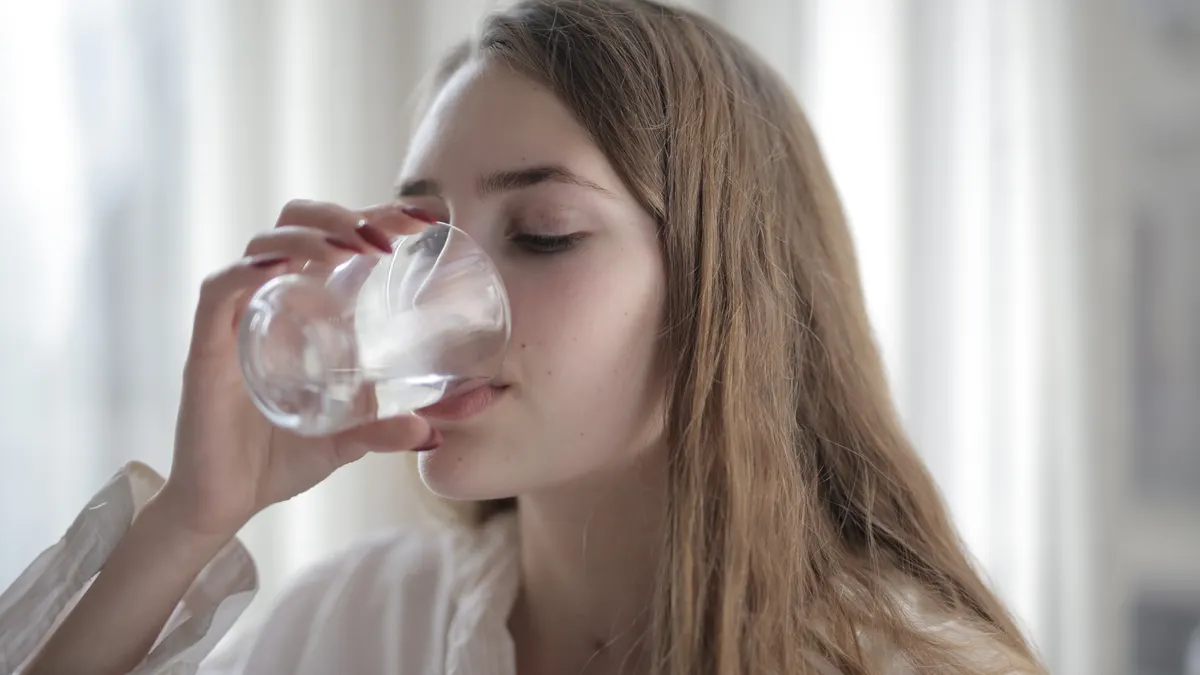
Woman drinking water from a glass in warm light
Last updated: November 05, 2026
Quick Answer
The best drinks to support menopause appetite between meals are low-sugar, low-calorie drinks that create a sense of fullness without turning into a hidden snack. Think water, sparkling water, herbal tea, broth, and unsweetened milk alternatives, chosen for volume, warmth, or a little protein.
Key Takeaways
- The best choice depends on whether the urge comes from dry mouth, habit, stress, or needing more structure.
- Start with 8 to 12 ounces of a low-calorie drink and pause 10 to 15 minutes before food.
- Plain water helps most when the urge is blurry, habitual, or linked to dry mouth.
- Warm drinks help when you need something settling; herbal tea is the most useful warm option.
Menopause can make the space between meals feel harder to manage, especially when appetite shifts show up as “I want something” rather than a clear craving for food. The right drink can take the edge off, slow the rush to the pantry, and help you get to the next meal without piling on sugar or extra calories. This is not about replacing meals with beverages. It is about using drinks that buy you time. For the broader pattern, the hub on menopause meal timing and appetite control covers the bigger picture.
If your appetite feels jumpy or unpredictable, a simple place to start is not with a fancy supplement tea or a sweet coffee drink. It is with the simplest options that work with satiety cues instead of against them. The list below focuses on between-meal beverages only, since that is the job this page needs to do.
Best drinks to support menopause appetite between meals
The best drinks for between meals are water, sparkling water, herbal tea, broth, and unsweetened milk alternatives because they can reduce the feeling of emptiness without adding much sugar or turning into a second lunch. Each one works a little differently, and the best choice depends on whether the appetite is driven by dry mouth, habit, stress, or a need for more structure.
A useful way to sort them is by the kind of pause they create:
- Water: best when you want a simple reset and no taste-driven snacking.
- Sparkling water: best when plain water feels flat and you want more mouthfeel.
- Herbal tea: best when a warm cue helps slow you down.
- Broth: best when you want savory satisfaction with a small amount of substance.
- Unsweetened milk alternatives: best when you need a more filling drink with a smoother, creamier profile.
One honest limit is that drinks help most when the problem is light-to-moderate between-meal hunger, not a missed meal. If you are genuinely underfed, liquid “appetite control” will not fix that. A drink can bridge a gap; it should not become the whole plan.
The trade-off with every drink on this list is the same: if it carries too much sugar, cream, or add-ins, it stops being a support and starts behaving like a snack. A flavored latte, bottled tea, or juice can look innocent and still push appetite in the wrong direction.
What to sip first when you feel snacky
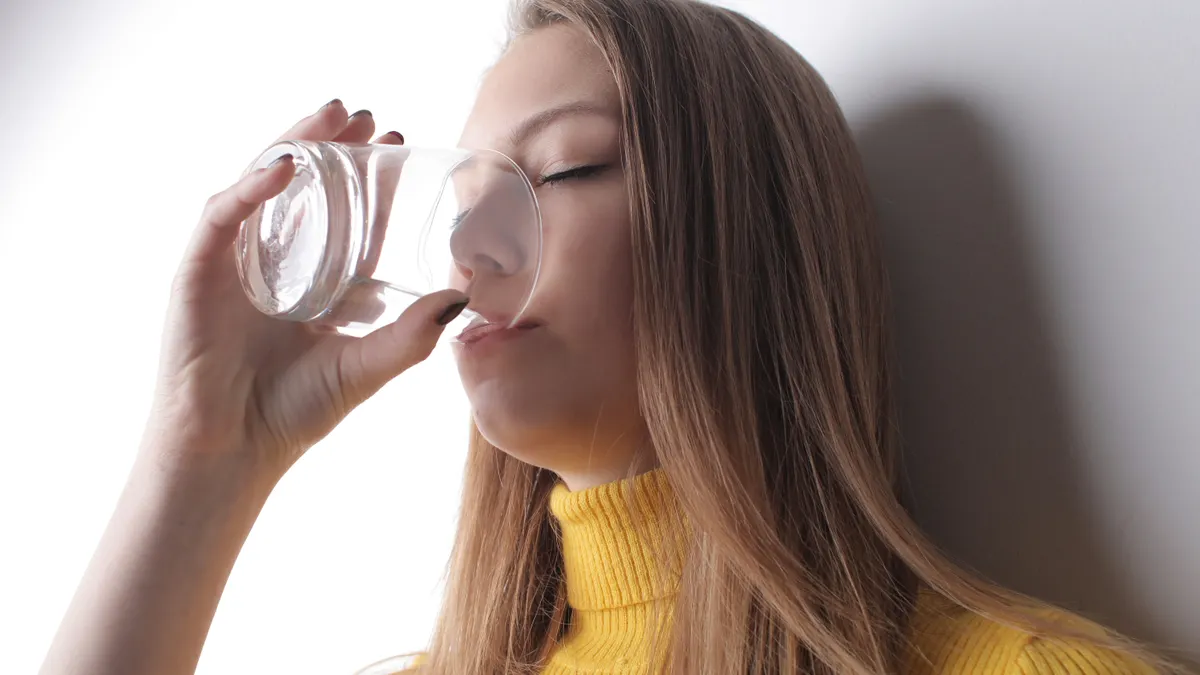
Start with 8 to 12 ounces of a low-calorie drink and wait 10 to 15 minutes before deciding you still need food. That small pause often tells you whether the urge is true hunger, thirst, boredom, or a habit loop tied to the time of day.
Use this simple sequence:
-
Pour a full glass of water or sparkling water.
The full glass matters because a few sips rarely change anything. A visible amount gives your stomach and mouth a real signal, and that alone can soften the urge to graze. -
If plain water feels too thin, choose an unsweetened herbal tea in an 8-ounce mug.
The warmth changes the experience. A hot mug can slow fast, restless eating behavior because it asks for a seat, not a drive-by sip. -
If you still want something after 10 to 15 minutes, move to broth or an unsweetened milk alternative.
A cup of broth or a 1-cup serving of soy, pea, or other unsweetened milk alternative gives more staying power than water alone, without becoming dessert in disguise. -
If the urge remains strong, eat a planned snack rather than turning the drink into an all-day project.
That keeps the drink in its proper job: a bridge, not a replacement for actual food.
This sequence works best when used consistently, not only on bad days. The body starts to learn that a cue can mean “pause and sip” instead of “open the cupboard.”
The mistake to avoid is adding sugar to “make it helpful.” A teaspoon here and a flavored creamer there can turn the drink into the very thing that keeps appetite bouncing back. For a reader trying to keep a drink from becoming a snack, sweetness is usually the wrong lever. For a broader approach, the menopause appetite control guide explains how drinks fit into the day.
Why water still earns the top spot
Water is the safest first choice because it is the least likely drink to backfire, and it is available in every setting from a desk to a car to a kitchen counter. For menopause appetite between meals, plain water helps most when the urge to eat is blurry, habitual, or tied to dry mouth rather than real hunger.
That sounds too simple, but simplicity is the point. Water does not bring sugar, caffeine, acid, or extra calories into the picture. It gives you volume and a brief pause. If the appetite eases after a glass of water, the problem was probably not food-related enough to need a snack.
There are a few ways to make water more useful without turning it into a sugary drink:
- Serve it cold if that makes it easier to drink a full glass.
- Keep a 500 ml bottle nearby so you can track intake without fuss.
- Use a slice of cucumber, lemon, or mint if flavor helps you drink more, but skip sweet syrups.
If plain water always feels unsatisfying and you end up chasing it with crackers or sweets, water alone may not be the best tool. That is when a warmer drink or something with a bit more body often works better.
A common mistake is expecting water to kill a strong hunger wave. It will not do that reliably. If the stomach is truly empty, water can take the edge off but not replace a meal. The win is noticing that difference earlier instead of letting “just one drink” turn into an hour of snacking.
Which warm drinks help most?
Warm drinks help most when you need a cue that feels settling, not stimulating, and herbal tea is the most useful warm option for between meals. A mug changes the pace of the moment. It slows the hands, gives the mouth something to do, and can make an urge feel less urgent.
The best warm choices are simple:
- Peppermint, ginger, chamomile, or rooibos herbal tea for a caffeine-free pause.
- Plain hot water with lemon if you want warmth without a strong flavor.
- Clear broth when you want savory satisfaction.
Keep the cup size practical, around 8 to 12 ounces. That is enough to create a pause without drifting into a second meal. If you need a drink at 3 p.m. and again at 5 p.m., a warm mug is often better than a sweet treat because it gives routine without extra sugar.
Here is the downside: warm drinks are not universally calming. Some people find peppermint or ginger too sharp, and some teas make them want something sweet alongside them. If a tea reliably sends you hunting for biscuits, that tea is working against you.
This is also where caffeine matters. A caffeinated tea or coffee may be fine for some people, but between meals it can be a poor appetite tool if it raises jitters, worsens hot flashes, or makes you reach for something sweet to soften the edge. For this page, caffeine-free options are the safer default. The NHS menopause overview notes that symptoms can vary widely, which is why a simple routine often works better than chasing a perfect drink.
The practical rule is simple: if the drink makes you more settled after 10 minutes, keep it in rotation. If it makes you snackier, switch it out.
How broth and milk alternatives fit in
Broth and unsweetened milk alternatives are the two best “more filling than water” drinks when you need a little body without committing to a full snack. Broth gives savory satisfaction. Unsweetened milk alternatives give creaminess, a little protein in some cases, and a more substantial mouthfeel. The Mayo Clinic and Harvard T.H. Chan School of Public Health both note that protein- and volume-containing drinks can be more satisfying than plain liquids.
Broth works well when appetite shows up as a vague, hollow feeling. A cup of clear broth can feel grounding because it is warm, salty, and specific. It is a better bet than juice or flavored drinks if the goal is to steady appetite rather than stimulate it. The drawback is that broth can be high in sodium, so it is not ideal if you need to watch salt intake closely or if you already get plenty of salty foods.
Unsweetened milk alternatives are useful when plain water feels too thin and tea feels too empty. Soy milk and pea milk are the most filling-style options for many people because they usually bring more protein than almond or rice drinks. The key words are unsweetened and plain. Once the carton says vanilla, honey, or “barista,” the appetite effect changes fast.
A quick label check helps here:
- Look for unsweetened on the front.
- Check that added sugar is near zero or clearly low.
- Choose a short ingredient list if you want a clean between-meal drink.
If you are using a drink for appetite control and you tend to pour a large 16-ounce glass of milk alternative plus add-ins, you may be creating a beverage that behaves too much like a snack. In that case, the better move is a smaller 1-cup serving, not a bigger cup.
The drinks I would not pick for between-meal appetite control
Sweet drinks are the ones most likely to work against you, because they can wake up appetite instead of calming it. Juice, soda, sweetened coffee drinks, bottled teas, and “healthy” smoothies can all be poor choices if the goal is to stay steady between meals.
The problem is not just the sugar. It is the speed. A sweet drink is easy to finish fast, and that quick hit can leave the mouth wanting more. It also blurs the line between drink and snack, which makes it harder to tell whether you are actually hungry. For a menopause pattern that already feels unpredictable, that is a messy trade.
This is why sugar-free or unsweetened versions are so much more useful. They keep the drink in the category of pause, not treat. A zero-sugar sparkling water, plain tea, or unsweetened milk alternative is less likely to trigger another round of craving 20 minutes later. The CDC recommends limiting added sugars, which fits this between-meal use case well.
There is one nuance worth saying plainly: a sweet drink is not “bad” in every context. It just is not the best tool for appetite control between meals. If you are looking for something to enjoy with food, that is a different job. Here, the job is to reduce between-meal appetite, and sweet drinks usually do the opposite.
If you want to keep a sweet flavor in the mix, use it carefully. A splash of unsweetened vanilla in a milk alternative or a cinnamon stick in tea can give some interest without turning the drink into dessert.
Build a drink routine that actually works
A useful menopause appetite routine is one that you can repeat at the same times each day, not one that depends on willpower. Pick 2 or 3 drinks and assign them to specific situations, such as morning desk work, the 3 p.m. slump, or the gap before dinner.
A simple rotation looks like this:
- Morning or workday gap: water in a 500 ml bottle.
- Mid-afternoon: sparkling water or herbal tea in an 8-ounce mug.
- Hunger that feels more stubborn: broth or unsweetened soy milk in a 1-cup serving.
The goal is to remove decision fatigue. If you always have to ask, “What should I drink?” the answer gets influenced by mood, not appetite. A routine keeps the choice boring in the best possible way.
Two mistakes are common here. First, people wait until they are ravenous and then expect a drink to rescue them. Second, they keep too many options around and end up choosing the one that tastes best rather than the one that helps appetite. A pantry full of flavored drinks can sound prepared, but it often turns into a sugar trap.
One final limit: drinks are support, not a cure. If between-meal hunger feels intense every day, the issue may be meal composition, timing, stress, medication, or a medical change that needs attention. A clinician or registered dietitian can help if appetite shifts are persistent or hard to manage.
FAQ
Can drinks help with hunger?
Yes, some drinks can soften hunger between meals, especially water, herbal tea, sparkling water, broth, and unsweetened milk alternatives. The effect is usually modest, not dramatic. They work best when the urge is mild or habit-based, and they are less helpful if you have skipped a meal or truly need food.
What can I drink instead of snacking?
Water is the simplest place to start, followed by unsweetened herbal tea or sparkling water. If you need something more satisfying, try a cup of broth or an unsweetened soy or pea milk. The best choice depends on whether you want volume, warmth, or a more filling texture.
Are sugary drinks worse for appetite?
Yes, sugary drinks are usually worse for appetite control because they can trigger a quick rise and fall in craving. They also blur the line between drink and snack, which makes it harder to tell what you actually need. Unsweetened or sugar-free options are usually the better fit between meals.
Drafted with AI; not yet reviewed by a person.