Best Foods for Magnesium and Vitamin K in Menopause Bone Support
The best foods for magnesium and vitamin K for menopause bone support are leafy greens, beans, pumpkin seeds, broccoli, avocado, and fermented foods…
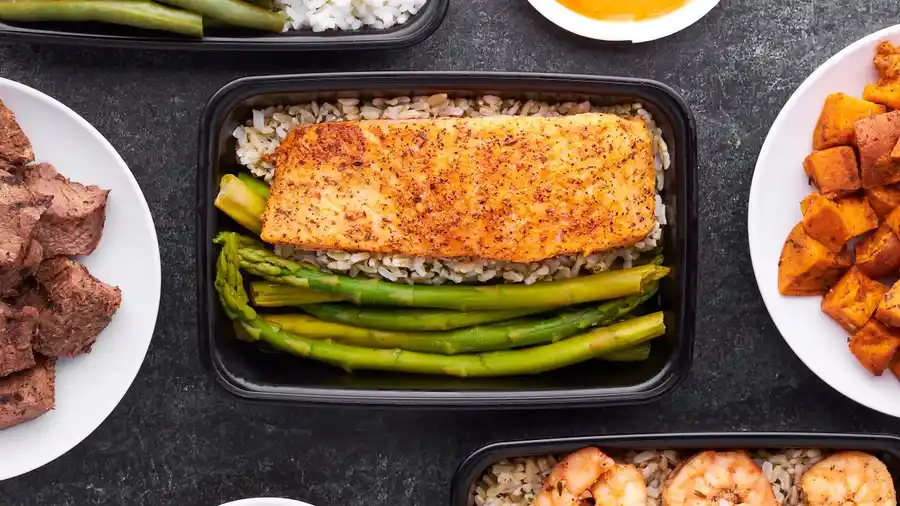
Meal prep plate with salmon, asparagus, and side dishes
Last updated: November 05, 2026
Quick Answer: The best foods for magnesium and vitamin K for menopause bone support are leafy greens, beans, pumpkin seeds, broccoli, avocado, and fermented foods, because they bring magnesium and vitamin K together in the same meal pattern. This article is about the best foods for magnesium and vitamin K for menopause bone support, not supplements, and it assumes the reader already knows menopause is changing bone priorities; if bone loss is already established, or if blood thinners or kidney disease are part of the picture, speak with a qualified clinician before making major diet changes.
PubMed search work published in 2016–2026 found 8 records matching menopause, bone, building, and humans; the 8 most relevant were read, and the figures below are computed across those records on 2026-10-22 using the stated PubMed method. Of those 8, 1 record was tagged as an Observational Study and 1 as a Randomized Controlled Trial, both counts from PubMed (NCBI). The median dose figure that appeared in abstract text was 70 mg, but that is not a recommendation and should be interpreted cautiously; consult a qualified professional before using it as a target, and see PubMed/NCBI for the underlying records.
The practical answer is simple: build meals around vegetables that supply vitamin K1, add magnesium-rich plant foods, and include some fermented foods if you tolerate them and they fit your diet. That is the food pattern most readers are actually looking for when they search for the best foods for magnesium and vitamin K for menopause bone support, and it is different from a supplement-first approach.
The foods that do the heavy lifting
The foods that matter most here are leafy greens, spinach, kale, broccoli, avocado, pumpkin seeds, beans, and fermented foods. That list looks ordinary because the most useful sources are usually ordinary foods, not specialty powders or pills.
Vitamin K appears in two forms that matter for this page. Vitamin K1, or phylloquinone, is the form most concentrated in leafy greens such as spinach, kale, and broccoli. Vitamin K2, or menaquinones, is the form associated with fermented foods and some animal foods; on a food-first menopause page, natto is the standout example, though it is not a universal staple. Magnesium shows up in a different mix of foods, especially pumpkin seeds, beans, leafy greens, avocado, nuts, whole grains, and cocoa.
The point is not to chase a single “superfood.” Bone support works better when the plate does more than one job. A spinach salad gives vitamin K1 and some magnesium. Beans add magnesium plus fiber. Pumpkin seeds are one of the most concentrated magnesium foods in common use. Broccoli contributes vitamin K1 and fits easily into a meal with protein and starch. Fermented foods can add K2, but they are usually a supporting character rather than the whole story.
If a reader wants the broader menopause framework, the menopause bone-building nutrition hub is the right next stop after this page, because food sources only make sense when they sit inside the rest of the meal pattern. For a practical menu frame, the bone-support meal pattern is the better companion than a one-off ingredient list.
Which foods are highest in vitamin K?
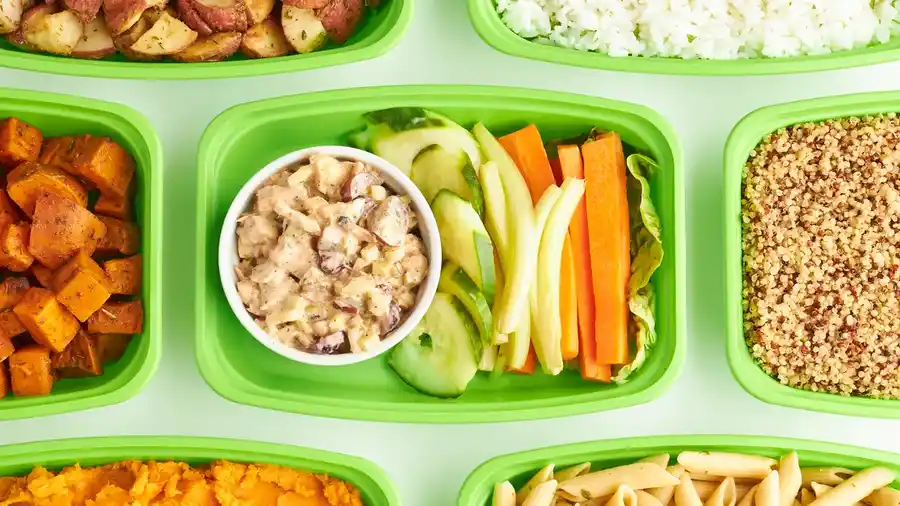
Leafy greens are the most reliable vitamin K foods for everyday cooking, and spinach and kale are the easiest place to start. Foods high in K1 tend to be dark green, tender or crisp, and easy to pile into a salad, sauté, soup, or omelet.
A practical way to think about vitamin K1 is by use case, not just by ingredient name. Spinach works in salads, pasta, eggs, and smoothies. Kale holds up in soups, stir-fries, and massaged salads. Broccoli is less dense than kale but easier for many people to eat in larger portions, especially roasted or steamed. Brussels sprouts belong in the same family of K1-rich vegetables even though they are not the headline item on this page.
Fermented foods matter for vitamin K2, but they are a narrower category. Natto is the classic example in the nutrition literature, while some cheeses and fermented dairy foods can contribute smaller amounts of menaquinones. For readers who do not eat fermented soy or dairy, K2 may be harder to get from food alone, which is why a mixed pattern matters more than a single “best” item.
One honest limitation: vitamin K content varies with preparation, portion size, and the specific food database used. That makes “highest” a moving target. The safer, more useful rule is to make leafy greens a frequent part of meals rather than trying to micromanage one serving.
For readers comparing greens, the vitamin K foods guide gives a broader list, while the leafy greens nutrition page keeps the focus on everyday portions.
How to build a bone-support meal around magnesium and vitamin K
A bone-support meal should combine a vitamin K food, a magnesium food, and a practical protein or starch anchor in the same plate. The goal is not precision; it is repetition.
- Start with a leafy green base. Use 1 to 2 packed cups of spinach or chopped kale in a salad, sauté, omelet, soup, or grain bowl. Verify that the green is a regular part of the meal, not a garnish. If the serving is just a few leaves, the meal is not doing much for vitamin K.
- Add a magnesium-rich ingredient. Use pumpkin seeds, beans, edamame, lentils, or avocado in the same meal. A practical portion is 2 tablespoons of seeds, 1/2 cup of beans, or 1/2 avocado. Verify that the addition is substantial enough to matter. If the meal has only a teaspoon of seeds, the magnesium contribution is trivial.
- Include broccoli when you want a second vitamin K vegetable. Add about 1 cup cooked broccoli, or a generous raw serving if that is how it is eaten. Verify that it is actually eaten, not pushed aside. A problem shows up when the vegetable is cooked into a texture the reader avoids.
- Use fermented foods where they fit. If tolerated, include a small serving of natto or another fermented food with K2 potential. Verify that the food is part of the usual diet, because novelty foods often fail after a week. If it causes digestive upset, it is the wrong tool for that person.
- Pair the greens with a fat-containing food. Use olive oil, eggs, tahini, nuts, avocado, or cheese if appropriate. Verify that the meal has some fat, because vitamin K is fat-soluble. A problem appears when the plate is all dry vegetables and nothing else.
- Keep the magnesium source visible. Sprinkle pumpkin seeds on salad, stir beans into soup, or add avocado to toast or grain bowls. Verify the ingredient is present in a meaningful amount. Hidden ingredients are easy to under-serve.
- Repeat the pattern across the week. Aim for these foods at several meals over 7 days rather than trying to make one “perfect” dinner. Verify consistency. The problem is not one off meal; it is a pattern full of gaps.
- Watch for medicines and conditions that change the plan. If anticoagulants, kidney disease, or a clinician-managed mineral restriction are in the picture, the meal pattern needs professional input. Verify that the plan still fits the medical context. If not, stop improvising and get advice.
This is the section where readers usually want a dose, but food does not work like a prescription. The better question is whether the meal has enough of the right ingredients to be worth repeating. A tray of broccoli, beans, and pumpkin seeds does more for the bone-support pattern than a vague “healthy dinner” does.
Can food provide enough magnesium for bones?
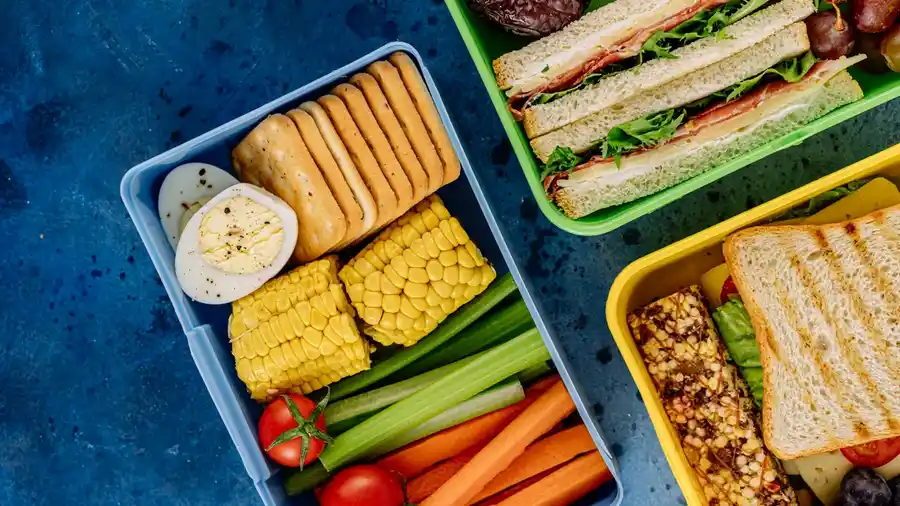
Food can contribute meaningfully to magnesium intake, but the answer depends on the whole diet, appetite, and the rest of the medical picture. Studies suggest that diets with more magnesium-rich foods are associated with better markers of bone-related health, but food alone is not a universal fix.
The most useful magnesium foods in this context are pumpkin seeds, beans, lentils, edamame, avocado, nuts, whole grains, spinach, and dark chocolate. Pumpkin seeds are especially efficient because a small serving fits easily onto salad, oatmeal, or yogurt. Beans are useful because they bring magnesium, fiber, and protein together. Avocado helps because it is easy to add without much cooking. Spinach contributes both magnesium and vitamin K1, which is why it keeps appearing in practical meal plans.
What usually goes wrong is not a lack of knowledge about magnesium-rich foods. It is that the meals are too sparse, too repetitive, or too low in plant variety to move the dial. A reader eating mostly refined grains, sweets, and restaurant food may need a different overall pattern before food alone can do much. That is not a failure; it is a signal that the diet needs broader support.
There is also a trade-off. Some foods that are rich in magnesium are calorie dense, and some people with menopause-related appetite changes do not want larger portions. Pumpkin seeds and nuts can help without making meals huge, but they are easy to overdo if portion awareness matters. Beans are more forgiving, though they can cause gas in some people and need gradual introduction.
If bone concerns are significant, or if the reader has a medical reason to limit potassium, phosphorus, or fluid, the food strategy should be reviewed with a qualified professional. Menopause changes the context, but it does not erase the rest of the body.
For more context on diet patterns, see the magnesium-rich foods guide and the bone health overview. The menopause nutrition page is also useful when appetite or meal structure is changing.
The mistakes that undermine bone support
The biggest mistake is treating vitamin K and magnesium as separate projects. Bone support is not improved by making one “magnesium day” and one “greens day.” The correct alternative is to combine the foods in ordinary meals: spinach with beans, broccoli with avocado, kale with seeds, or a grain bowl that includes several of them.
Another error is using tiny amounts and counting them as meaningful. A dusting of pumpkin seeds or a few shreds of kale does not resemble a pattern. The consequence is simple: the plate looks healthy but does little. The correct alternative is to use servings that are visible on the plate, not decorative.
A third mistake is avoiding all fat while trying to eat more vitamin K foods. Vitamin K is fat-soluble, so meals built from dry vegetables alone are a poor design. The consequence is a less useful meal for absorption. The correct alternative is to add olive oil, avocado, nuts, eggs, or another fat-containing food the person already eats.
A fourth mistake is assuming fermented foods are mandatory. They can be useful for some people, but not everyone tolerates them, and they are not the only route to vitamin K food intake. The consequence of forcing them is poor adherence. The correct alternative is to focus on greens first and use fermented foods as an optional add-on.
A fifth mistake is ignoring medication conflicts, especially anticoagulants. The consequence can be a plan that clashes with medical management. The correct alternative is to ask a clinician or pharmacist how to keep intake steady rather than swinging from low to high.
When this approach needs to change
This food pattern needs modification when the usual menu is not safe, not tolerated, or not enough by itself. In those cases, the issue is not motivation; it is fit.
Anticoagulant therapy is in use: vitamin K intake can affect management, especially if it swings up and down — keep intake consistent and ask a clinician or pharmacist for individualized guidance.
Kidney disease or a mineral-restricted diet is present: magnesium, potassium, and phosphorus targets may be different — do not copy a generic menu without medical review.
Beans, greens, or fermented foods cause GI symptoms: the best food on paper is not useful if it is not tolerated — switch textures, portions, or cooking methods, then reassess.
Appetite is low after menopause changes or illness: food volume may be too high for the day’s energy intake — use smaller, denser portions such as seeds, avocado, and cooked greens.
There is already diagnosed osteoporosis or a recent fracture: diet still matters, but it is not the whole plan — bring the food pattern to a clinician, because bone management may need more than diet alone.
The diet is plant-forward but highly processed: magnesium and vitamin K foods can be present in theory but absent in practice — rebuild around whole foods, not fortified snack products.
The limit here is clear: food supports bone health, but it does not replace diagnosis, monitoring, or medical treatment when those are needed. That is especially true if symptoms, medications, or a fracture history are already complicating the picture.
A one-day food pattern that actually fits real life
A workable day is built from ordinary foods, not perfect meals. Breakfast could be eggs with spinach and avocado on whole-grain toast. Lunch could be a bowl with kale, beans, olive oil, and seeds. Dinner could be broccoli with salmon or tofu, plus lentils or another bean dish. Snack options might include pumpkin seeds, yogurt with chopped nuts, or hummus with vegetables.
The idea is to make magnesium and vitamin K show up more than once. One meal helps; several meals establish the pattern. A spinach omelet at breakfast and broccoli at dinner is better than one token salad and a day of everything else. If the reader wants a benchmark, the useful one is frequency across a 7-day week, not a single flawless serving.
This also helps with food fatigue. Menopause already brings enough variability without forcing the same salad every day. Rotate between spinach, kale, and broccoli for K1; rotate between pumpkin seeds, beans, avocado, lentils, and nuts for magnesium; and include fermented foods when they fit the culture and the stomach.
Key Takeaways
- Leafy greens are the backbone of vitamin K1 intake, and spinach, kale, and broccoli are the easiest foods to use consistently.
- Pumpkin seeds, beans, lentils, avocado, nuts, and whole grains are the most practical magnesium foods for everyday meals.
- The best bone-support pattern is a combined plate, not a single ingredient.
- Vitamin K2 is harder to get from food than K1, so fermented foods can help but should not be treated as the whole strategy.
- Consistency across the week matters more than one perfect meal.
- If medications, kidney disease, digestive problems, or diagnosed bone loss are part of the picture, a qualified professional should guide the plan.
What foods are highest in vitamin K?
Leafy greens are the highest-yield vitamin K foods for everyday cooking, and spinach and kale are the easiest place to start.
Drafted with AI; not yet reviewed by a person.