How to Plan Meals Around Shift Work During Menopause
Use a 3-part meal pattern : a main meal before work, one portable meal during the shift, and a light meal before sleep. In How to plan meals around shift…
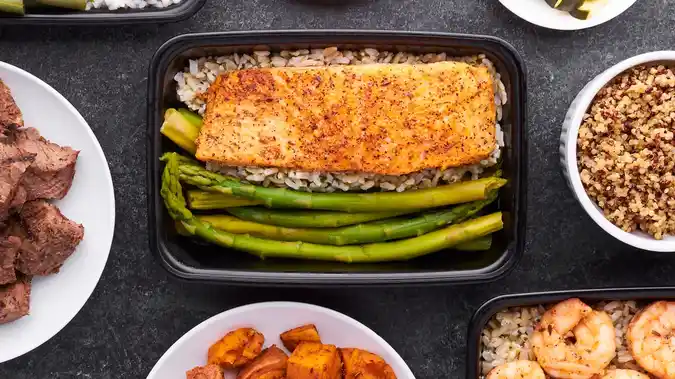
Meal prep tray with salmon and asparagus
Last updated: November 05, 2026
Quick answer: Use a 3-part meal pattern: a main meal before work, one portable meal during the shift, and a light meal before sleep. In How to plan meals around shift work during menopause, the goal is not perfect timing; it is a repeatable pattern that protects sleep, keeps protein and fiber steady, and keeps caffeine from wrecking the next rest period.
Key Takeaways
- When shifts change daily, meal timing has to follow sleep, not the clock.
- Build the day around sleep, then place the biggest meal before work and the smallest after it.
- Keep meals moderate so energy stays steady and sleep is not disrupted later.
- Use caffeine early in the shift, then stop well before the next sleep block.
What a shift-work meal schedule needs before you start

A shift-work meal schedule needs three things before the first shift starts: a rough shift pattern, a meal window you can repeat, and food that travels well for 6 to 12 hours. If the schedule changes every day, planning by the clock alone fails. The better anchor is the sleep block that follows each shift.
Write down the next 7 days of shifts on one page. Mark the time you expect to sleep after each one, even if the sleep is split into a nap plus a main block. Then build meals around the hours when you are usually awake and alert, not around “breakfast, lunch, dinner” labels that no longer fit.
A menopause-friendly shift plan leans on protein, fiber, and hydration because those are easier to repeat than a perfect menu. Think plain Greek yogurt, eggs, tofu, chicken, tuna, lentils, oats, fruit, nuts, beans, and vegetables. These foods pack well in 2-cup containers and reheat in under 3 minutes.
This page is about the meal pattern itself, not about why menopause changes hunger or appetite. For that broader background, the hub on menopause meal timing and appetite control should sit above this page.
The hardest part for many shift workers is not food choice; it is deciding when to eat on a day that starts at 5 p.m. and ends at 7 a.m. That is why the schedule comes first. Once the pattern is set, the menu gets much easier to repeat.
How do I set meal timing around night shifts?
Set meal timing around your sleep block, then place your largest meal before the shift and your lightest meal after it. That pattern usually fits night work better than forcing a normal daytime rhythm.
Use this order when you plan a week:
- Map the shift and sleep block. Put the shift start, shift end, and planned sleep on paper or in a phone note. For a 7 p.m. to 7 a.m. shift, the sleep block may be 9 a.m. to 2 p.m. or a split sleep with a nap later.
- Choose one main meal before work. Eat a balanced meal 1 to 3 hours before the shift starts. A plate with protein, vegetables, and a starch such as rice, potatoes, or whole-grain bread tends to hold better than a sugary snack. Start the shift fed, not stuffed.
- Pack one mid-shift meal and one backup snack. Bring a portable meal for the middle of the shift and a small backup such as yogurt, nuts, a cheese stick, or a sandwich half. The backup matters when the break is shorter than planned or the main meal sits too long.
- Keep the post-shift meal light. After the shift, choose something easy to digest, such as oatmeal, toast with eggs, or soup and crackers. If sleep is next, a heavy, greasy meal can make the transition harder.
- Repeat the same meal window for several shifts in a row. If you work three night shifts, keep the timing close across all three. A moving target confuses both food prep and sleep.
The practical win is simple: the body gets a predictable feeding pattern, even when the wall clock is wrong. The trade-off is that late-night eating may feel unnatural at first, especially if you are used to skipping meals. The point is not to copy daytime eating exactly.
Which foods hold up best in portable meals?
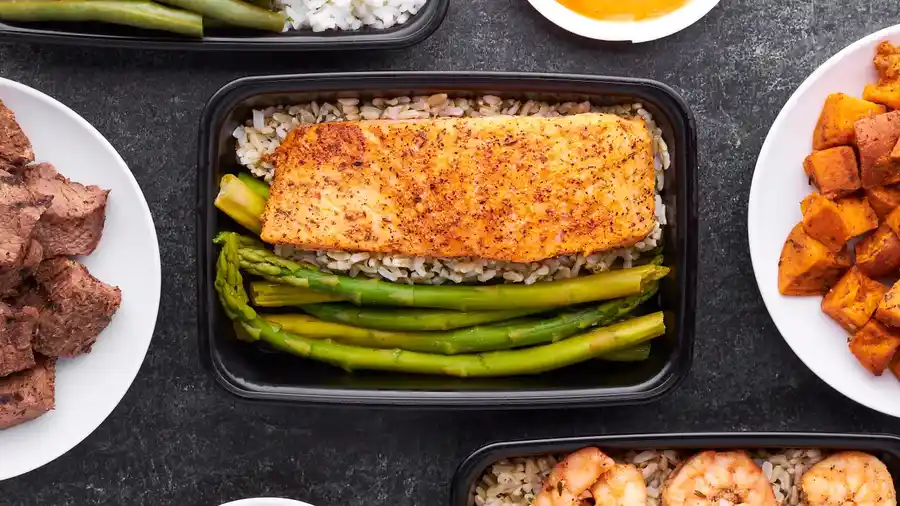
Portable meals that combine protein, fiber, and a sturdy carbohydrate hold up best because they survive delays, reheat well, and do not turn into a sugar crash halfway through the shift. This is the part that saves the plan on busy nights.
A good portable meal usually fits into a 1- to 2-cup container and can be eaten in 10 minutes or less. Some reliable formats:
- Grain bowl with chicken, tofu, beans, or salmon, plus cooked vegetables
- Wrap with egg, tuna, turkey, or hummus and salad greens
- Pasta salad with vegetables and a protein source
- Soup in a thermos, plus whole-grain crackers
- Overnight oats with chia, yogurt, and berries
- Rice and lentils with olive oil and vegetables
The key is not the exact recipe; it is the structure. A meal with about 20 to 30 grams of protein is often more satisfying than a snack made of mostly refined carbs, though exact needs vary by body size and medical context. If you have kidney disease, diabetes, a history of eating disorder, or digestive problems, speak with a clinician or dietitian before making protein the main strategy.
Shift work punishes flimsy food. Anything that wilts, separates, or spoils fast is a poor choice. A salad with lettuce and dressing on the side is fine. A sandwich packed with wet tomato slices at noon and eaten at 2 a.m. is not.
Use a small insulated lunch bag, two ice packs, and one leakproof container. That setup covers most shifts better than fancy gear. If the fridge is shared, label your food. If the microwave queue is long, choose meals that are good at room temperature.
How much should I eat on a long shift?
Eat enough to keep your energy steady, but keep each meal moderate so you do not end up too full to sleep later. For many people, that means one main meal, one portable meal, and one smaller snack over a 10- to 12-hour shift.
The mistake is trying to “save calories” all night and then getting ravenous near the end of the shift. That pattern often ends in vending-machine food, a fast carbohydrate hit, and a rough sleep transition. The better move is to spread food across the waking window in 3 parts:
- Pre-shift meal: the most substantial meal
- Mid-shift meal: a balanced portable meal
- Late-shift or post-shift snack: small and simple
A useful test is satiety, not fullness. After the pre-shift meal, you should feel fueled, not sluggish. After the mid-shift meal, you should still be able to focus without a heavy stomach. After the final snack, you should be able to sleep within your usual window.
Protein and fiber do the most work here. Fiber from vegetables, beans, fruit, oats, and whole grains slows down how quickly the meal leaves your stomach. Protein helps the meal last longer. That does not mean every meal must be large. It means each one should be built, not just grabbed.
Menopause can make sleep and appetite feel less predictable, which makes shift eating harder to manage. The practical answer is to keep the meal pattern steady enough that hunger does not become an emergency. If a meal is skipped, the next one should return to the plan rather than turn into all-day grazing.
If hot flashes, reflux, or nausea are strong at night, even a well-built meal may need to be smaller. That is a sign to adjust meal size and food type, not to force the same portion every night.
How do I time caffeine without wrecking sleep?
Time caffeine early in the shift and stop it far enough before sleep that it does not spill into the next rest period. That is usually the difference between a usable night shift and a ruined post-shift sleep block.
A practical rule is to use caffeine at the start of the shift, not as a rescue near the end. Coffee, tea, energy drinks, and caffeine tablets all count. If you work overnight, the last caffeinated drink should usually be several hours before the sleep window begins. The exact cutoff varies by person, and menopausal sleep can be more fragile than usual, so the safer choice is earlier, not later. According to the Mayo Clinic, caffeine can stay in the body for hours.
A few ways to apply that:
- Have caffeine with the first meal or within the first hour of the shift.
- Switch to water, sparkling water, or herbal tea later in the shift.
- If you need a second dose, keep it small and early enough that you can still wind down.
- Do not pair caffeine with an empty stomach if it makes you shaky or nauseated.
The cost of late caffeine is obvious the next day: lighter sleep, more fragmented sleep, and more reliance on caffeine again. That cycle is common in shift work and especially irritating during menopause, when sleep may already be less dependable.
I would not recommend trying to push through with caffeine alone. If the shift is consistently brutal, the meal schedule is the problem, not the coffee. Add more food earlier in the shift, a real meal before work, and water through the night. Caffeine should support the plan, not replace it.
For people with anxiety, palpitations, reflux, or high blood pressure, it is sensible to ask a clinician about caffeine limits. The general rule is simple: if caffeine helps briefly but leaves the next sleep block worse, it is too late or too much.
What mistakes make shift-work eating harder during menopause?
The biggest mistakes are skipping the pre-shift meal, relying on snack food, and eating a heavy meal right before sleep. Each one can make the next shift feel harder, because energy swings get sharper and sleep gets shorter.
Here is what usually goes wrong:
- Skipping meals early in the shift. This saves time for a few hours, then creates a bigger hunger problem later. The fix is a planned 10-minute meal before work, even if it feels inconvenient.
- Packing only sweet snacks. Cookies, candy, and pastries are easy to eat but do not last. The fix is to add protein and fiber, such as nuts, cheese, eggs, yogurt, beans, or whole-grain crackers.
- Eating a heavy meal after the shift. A large greasy meal can interfere with sleep, especially if you lie down soon after. The fix is a lighter post-shift option such as soup, toast, oats, or a small sandwich.
- Changing the schedule every day. A different plan for every shift creates decision fatigue. The fix is a template for day shift, night shift, and off-day patterns.
- Using caffeine too late. Late caffeine steals sleep and turns into a second problem. The fix is to define a cutoff time and keep it.
This is also who the standard approach is not for: someone with frequent vomiting, severe reflux, uncontrolled diabetes, or a medical reason to restrict timing or content of meals should not self-design a plan without input from a professional. Shift work and menopause are both enough to complicate symptoms; adding a medical condition raises the stakes.
If the schedule changes only once in a while, a looser plan can work. If the pattern flips every 2 days, the plan needs to be simpler, not fancier. Simplicity beats perfection here.
A simple 24-hour template you can repeat
A repeatable 24-hour template works better than a new meal plan every time your shift changes. Use it as a starting point, then adjust the clock by the hours you sleep.
For a night shift, the template can look like this:
- After waking: water, then a balanced meal within 1 hour
- 1 to 3 hours before work: main meal with protein, fiber, and starch
- Middle of shift: portable meal in a 1- to 2-cup container
- Later in the shift: one small snack if needed
- After work: light meal, then sleep
For a day shift, shift the same pattern earlier. The order stays similar; the clock moves. That is the point. You are not reinventing eating every day. You are giving yourself a repeatable structure that survives rotating hours.
A useful check is whether you can prep the whole day in under 20 minutes. If not, the plan is too complicated. Strip it down to 3 meals and 1 snack. If the food is difficult to carry, it will not get eaten. If it cannot be reheated in 3 minutes, it may get skipped. If it needs perfect timing, it is too fragile for shift work.
The best shift-work meal schedule is not glamorous. It is boring, portable, and repeatable. That is exactly why it works.
How should I eat if I work nights in menopause?
Eat before the shift, once during the shift, and lightly after it. A night-shift pattern works best when the main meal comes before work and the post-shift meal is small enough not to interfere with sleep. Protein, fiber, and a steady caffeine cutoff help the plan hold together.
Can shift work worsen menopause symptoms?
Shift work can make sleep and energy feel less predictable, which may make menopause symptoms feel harder to manage. Irregular sleep and late caffeine often add to the problem. If symptoms become severe or your sleep falls apart, talk with a clinician about both the shift pattern and menopause symptoms together. The NHS and NIA both note that menopause can affect sleep.
What is the meal timing for night shifts?
A useful night-shift pattern is a larger meal before work, a portable meal in the middle of the shift, and a light meal after the shift. That approach supports the circadian rhythm better than trying to eat a full day’s worth of food at 2 a.m.
Drafted with AI; not yet reviewed by a person.