How to Make a Menopause Grocery List That Reduces Impulse Snacking
How to make a menopause grocery list that reduces impulse snacking: a menopause grocery list that reduces impulse snacking usually works best when it…
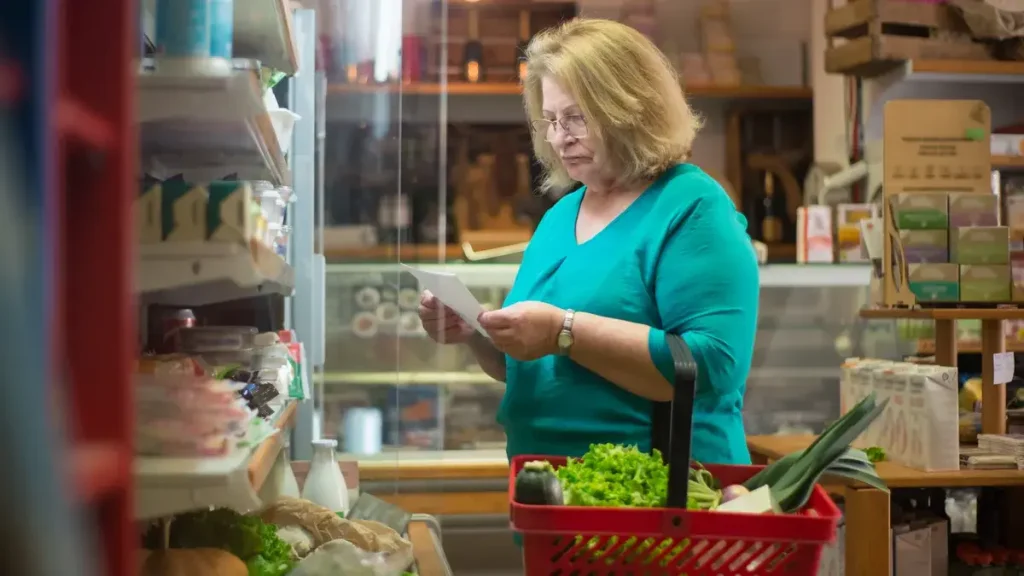
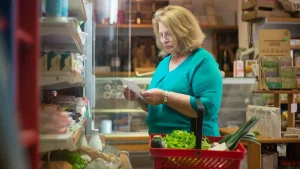
Woman checking a grocery list in a store aisle
Last updated: November 05, 2026
Quick Answer: a menopause grocery list that reduces impulse snacking usually works best when it centers 3 to 5 repeatable meals for the next 7 days, then puts protein foods, produce, pantry staples, and 1 to 3 planned snacks on the list before any trigger foods. That structure can help steady meals and cut impulse buys, but if you have a medical condition, food restriction history, or concern about eating patterns, consult a registered dietitian or clinician.
How to make a menopause grocery list that reduces impulse snacking is about making the “good choice” the easy choice before you get hungry, tired, or annoyed in the kitchen. The list should be built around protein foods, produce, pantry staples, and a few planned snack foods so impulse buys do not crowd out the meals that actually hold you. A menopause grocery list works best when it fits the way you actually eat in a week, not the way you hope to eat in theory.
A menopause grocery list is not a willpower exercise. It is a shopping plan that keeps the cart aligned with the moments that trigger snacking: late afternoons, fast hunger, and the grab-a-bag-at-9 p.m. feeling. The trick is to list food in the order it will be used, not in the order the store sells it. For more on appetite and menopause symptoms, see the National Institute on Aging’s overview of menopause at https://www.nia.nih.gov/health/menopause.
Build the list around meals, not moods
Start with 3 to 5 meals you can repeat in the next 7 days, then write the groceries those meals require. That keeps the list tied to dinner, lunch, and breakfast instead of to cravings that show up near the freezer aisle. If a food does not support one of those meals, it should earn a second thought before it goes on the page.
Use a one-week frame and keep the structure simple:
- 2 or 3 breakfasts
- 3 or 4 lunch or dinner templates
- 2 planned snack options
- Backup staples for quick assembly
This format works because it turns a grocery list into a decision filter. If a meal template calls for eggs, Greek yogurt, oats, chicken, beans, bagged greens, berries, brown rice, and olive oil, then the cart already has a job. There is less room for random cereal, chips, and “just in case” sweets.
A list that is too loose invites drift. A list that is too rigid can backfire if it ignores real life, such as a long workday or a night when cooking feels impossible. The middle ground is a grocery list with enough structure to block impulse snacking, but enough flexibility to survive a tired Tuesday.
Because of that, this is also where a menopause grocery list fits into a bigger rhythm of appetite control. The hub on menopause meal timing and appetite control belongs with this because timing affects how often the pantry gets raided. For broader meal-planning basics, the USDA’s MyPlate guide is useful at https://www.myplate.gov/.
How do I make a menopause grocery list that reduces impulse snacking?
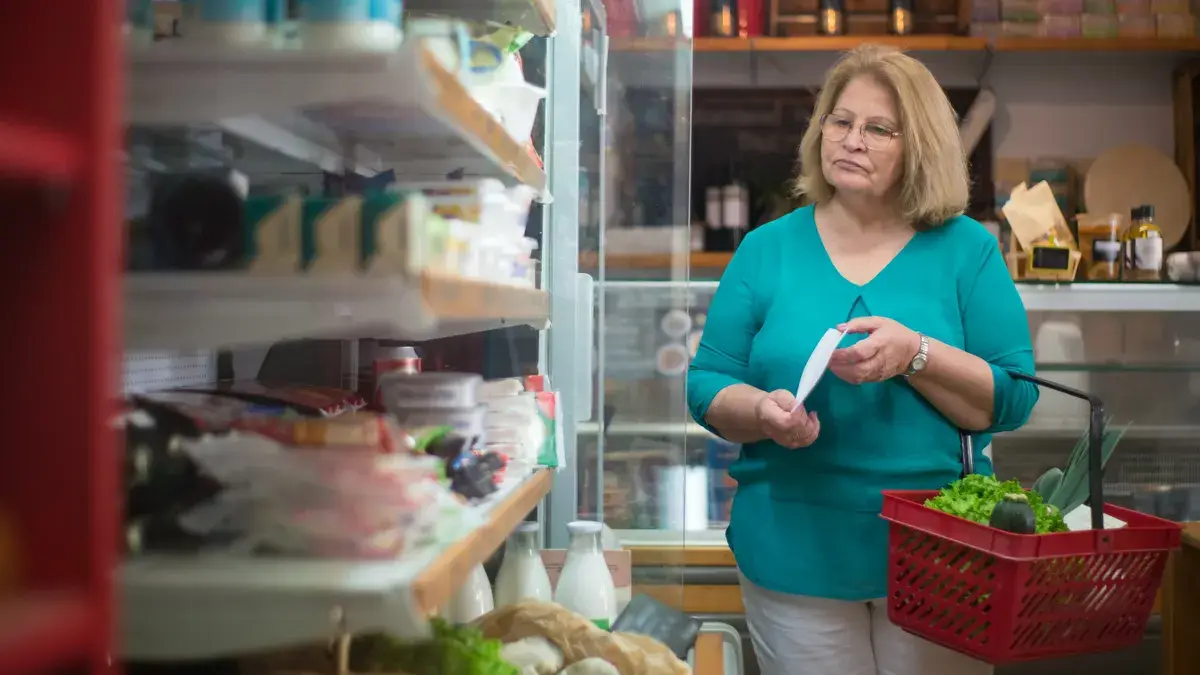
A menopause grocery list that reduces impulse snacking puts protein, fiber, and fast assembly items at the top, then pushes trigger foods to the bottom or leaves them off completely. The goal is not to ban every treat; it is to make the cart support steadier meals so snacks stop becoming a rescue mission. If you need help setting limits without feeling deprived, a dietitian can tailor the plan to your needs.
Use this order when you write the list:
- Pick 3 anchor meals first. Write the meals you will rely on for the week, such as eggs and toast, a chicken-and-rice bowl, or a bean-and-vegetable soup. When this step works, the list has a clear spine and no longer reads like a random food wish list.
- List protein foods next. Add items like eggs, plain Greek yogurt, tofu, chicken, canned tuna, beans, lentils, cottage cheese, or edamame. These foods make meals more filling and help reduce the “I just ate and still want something” feeling. If this step works, the cart has at least one solid protein for each meal window.
- Write produce in 2 groups: fresh and low-effort. Fresh might mean salad greens, broccoli, apples, berries, peppers, and cucumbers. Low-effort means baby carrots, bagged slaw, steamable vegetables, or frozen fruit and vegetables. When this works, you have food that is ready before hunger turns into a snack hunt.
- Add pantry staples that turn into meals in 10 to 20 minutes. Examples include oats, brown rice, whole-grain wraps, canned tomatoes, olive oil, nuts, seeds, broth, and canned beans. This step works when you can build a lunch or dinner without calling delivery.
- Choose 1 to 3 snack foods on purpose. Put in foods you actually portion and eat on schedule, such as yogurt cups, string cheese, hummus, fruit, popcorn, or roasted chickpeas. If this step works, snacks are planned instead of raided.
- Move trigger foods off the automatic path. If chips, cookies, or candy are part of the house, write them only if they have a clear purpose and serving plan. A bag that is “for later” but open in the pantry is not a plan. When this works, impulse foods stop stealing the shopping budget and the shelf space.
A practical result is a short list that is easier to shop from without drifting into extra aisles. If every aisle turns into a maybe, the list is too vague.
Which foods should be on the list first?
Protein foods, produce, and simple pantry staples should go on first because they do the most work against impulse snacking. These are the foods that make meals feel like meals and not a stalled promise.
A practical first-pass list might include:
- Protein foods: eggs, Greek yogurt, cottage cheese, tofu, chicken breast or thighs, canned tuna, salmon, beans, lentils
- Produce: berries, apples, bananas, oranges, salad greens, cucumbers, carrots, broccoli, peppers, onions
- Pantry staples: oats, brown rice, whole-grain bread or wraps, canned tomatoes, olive oil, broth, nuts, seeds, peanut butter
- Snack foods: hummus, fruit, popcorn, plain yogurt, cheese sticks, edamame
The order matters. If the first half of the list is snack food, the cart tends to tilt toward grazing. If the first half of the list is meal food, the week starts with structure.
A common mistake is loading up on “healthy” snack foods and calling it a menopause plan. Trail mix, granola bars, crackers, and dried fruit can be fine, but they are easy to overeat when meals are thin. That does not make them bad foods. It makes them poor anchors for appetite control.
A better approach is to let snack foods support meals, not replace them. For example, apple slices with peanut butter are different from standing at the counter with a handful of almonds because lunch was too small. One is planned. The other is a workaround.
If money is tight, the list can still work. Canned beans, eggs, oats, frozen vegetables, and plain yogurt often stretch farther than prepackaged snack items. The trade-off is time: cheaper staples usually need more assembly, even if only by 10 minutes. For cost-conscious shopping, the Academy of Nutrition and Dietetics has practical guidance at https://www.eatright.org/.
What should I leave off the menopause grocery list?
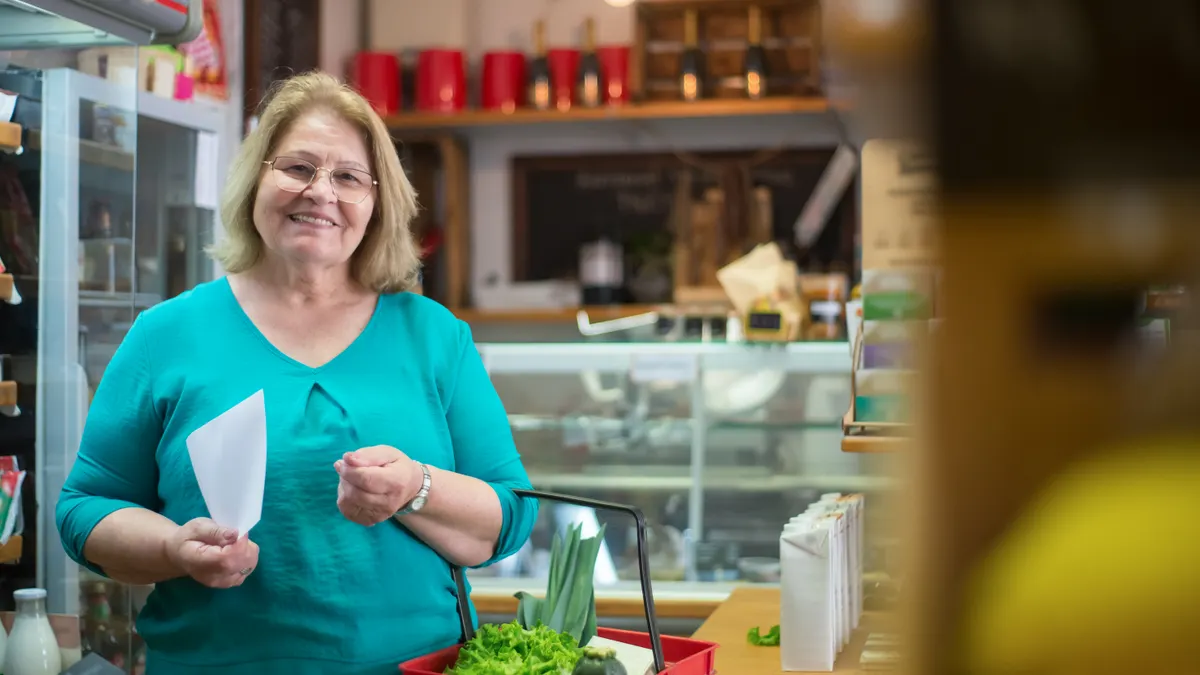
Leave off trigger foods you tend to eat past the point of satisfaction, especially if they rarely survive unopened for more than a day or two. If a food shows up as a repeat impulse buy, it is not a neutral grocery item in your house.
That does not mean every craving food must disappear forever. It means the list should separate “planned food” from “automatic food.” A block of dark chocolate, a jar of olives, or a bag of tortilla chips may belong on the list only if there is a serving plan and a real reason to buy it. If there is no plan, skip it for one week and see how the cart feels without it.
A menopause grocery list is not the place to negotiate with every craving. The store can make it harder to decide whether you need a family-size sleeve of crackers or a second box of pastries, because hunger plus bright packaging is a bad voting system.
A useful rule is the 24-hour rule for nonessential snacks: if the item still seems worth buying after a day, put it back on the next list with a purpose attached. That cuts down on the “I’ll just grab it now” habit without pretending cravings do not exist.
This section is not for people whose relationship with food is heavily restricted or stressful. If strict lists make you rebound into overeating, a looser structure with planned meals may work better than a long forbidden list. If food feels frightening or consuming, a dietitian or clinician can help shape the plan safely.
Make the list work in the store, not just on paper
A good menopause grocery list has to survive the store layout, where end caps and checkout displays are built to trigger extra spending. The easiest defense is a store order that matches the list and keeps you away from aisles you do not need. Consumer Reports regularly notes how store layout influences impulse purchases, and that practical reality applies here as well.
Shop in this sequence when possible:
- Produce
- Protein
- Dairy or chilled proteins
- Pantry staples
- Frozen foods
- Snack foods last, if you bought any
This order works because the cart fills with meal ingredients before you pass the most tempting shelves. By the time you reach crackers, candy, or baked goods, the cart already contains enough actual food.
Bring a short list, not a novel. A page with 15 to 25 items is easier to follow than a full refrigerator wish list. If you need more than one page, divide it into sections with 3 to 6 items each. That makes checking off items faster and reduces the chance you miss the plan after the third aisle.
One practical detail helps more than people expect: shop after a meal or with a water bottle in hand. A hungry shopper buys extra snack foods. Even a small amount of hunger turns “I need oats” into “I also need cookies, chips, and three kinds of cereal.”
Batch prep ingredients also belong here. A head of lettuce, a rotisserie chicken, a bag of frozen broccoli, and a tub of yogurt are not glamorous, but they shorten the path from “I need food” to “I ate a real meal.” The shorter that path is, the fewer panic snacks you need.
Batch prep ingredients that make the list pay off all week
Batch prep ingredients should be on the list any time the week looks messy, because they lower the odds of impulse snacking on days when cooking feels too hard. These are the foods that become lunches, quick dinners, or sturdy add-ons in under 15 minutes.
A strong batch-prep list includes 6 to 10 items you can reuse:
- cooked chicken or turkey
- hard-boiled eggs
- washed greens
- chopped vegetables
- cooked grains like rice or quinoa
- canned beans
- soup ingredients such as broth, carrots, celery, and tomatoes
- plain yogurt
- fruit that lasts several days
- frozen vegetables
The point is not meal prep perfection. It is reducing friction. A container of chopped vegetables next to hummus makes a better afternoon choice than rummaging through the pantry for something salty. A pre-cooked grain can become a bowl, a side, or a quick lunch base instead of a reason to order takeout.
The trade-off is spoilage. Fresh produce can go bad if the week changes or plans shift. If that happens often, lean more on frozen vegetables, canned beans, shelf-stable broth, and fruit that keeps well, such as apples and oranges. Those items are less likely to become waste.
A useful habit is to write batch-prep ingredients in a separate corner of the list, so they do not get buried under dinner ideas. That way, the list says not only what will be eaten, but what will make the rest of the week easier.
Common menopause grocery list mistakes that cause more snacking
The biggest mistake is buying ingredients for a meal plan you will not actually cook. That costs money, creates leftovers you ignore, and sends you back to the pantry for fast calories. The fix is to choose meals that use the same 8 to 12 ingredients in different combinations.
Another mistake is stocking only “light” foods such as salad kits, fruit, and low-fat snacks. Those can be useful, but they often fail to hold hunger for long. The result is a full fridge and a hungry person. Add protein and satisfying carbs so the list supports actual meals, not just nibbling.
A third mistake is treating trigger foods like a moral failure instead of a logistics problem. If chips disappear every evening, the issue may be package size, visibility, or the time of day they enter the house. Put them on the list less often, buy smaller packs, or skip them until the pattern changes. If you want help identifying whether this is part of a larger eating concern, a dietitian or clinician can help you sort it out safely.
Finally, many lists ignore the gap between shopping and cooking. If dinner depends on extra prep you will not do, the snack drawer becomes the backup plan. A better list includes at least one item that needs no cooking, one that needs 10 minutes, and one that can be frozen or saved.
A menopause grocery list is not perfect. It is consistent. It gives meals a head start, keeps snack foods intentional, and leaves less room for the random purchases that lead to a drawer full of wrappers and a fridge full of unopened “healthy” extras.
Key Takeaways
- Build the list from meals you will actually eat, not from food moods.
- Put protein foods, produce, and pantry staples on the page before snacks.
- Keep trigger foods out of the automatic buy zone unless they have a plan.
- Add batch-prep ingredients so tired evenings do not turn into pantry raids.
- Use a short, ordered list in the store so the cart fills with real meals first.
What should I buy to stop snacking?
Buy foods that make meals more filling, especially protein foods, produce, and simple pantry staples. Eggs, yogurt, beans, frozen vegetables, fruit, oats, and whole-grain wraps help turn hunger into an actual meal instead of a grazing session. If snack foods are included, keep them planned and portioned.
How do I plan groceries for menopause appetite?
Plan groceries by writing 3 to 5 meals first, then listing the ingredients those meals need. Put protein, produce, and batch-prep items on the list before snack foods. This keeps the cart focused on meals that satisfy, which usually matters more than trying to “be strong” in the aisle.
Can grocery planning help cravings?
Yes, grocery planning can make cravings easier to manage because it reduces empty-armed shopping and random snacking at home. A planned list cannot erase cravings, but it can lower the chance that every craving becomes a purchase. The best result is more structure and fewer impulse foods within reach.
Drafted with AI; not yet reviewed by a person.